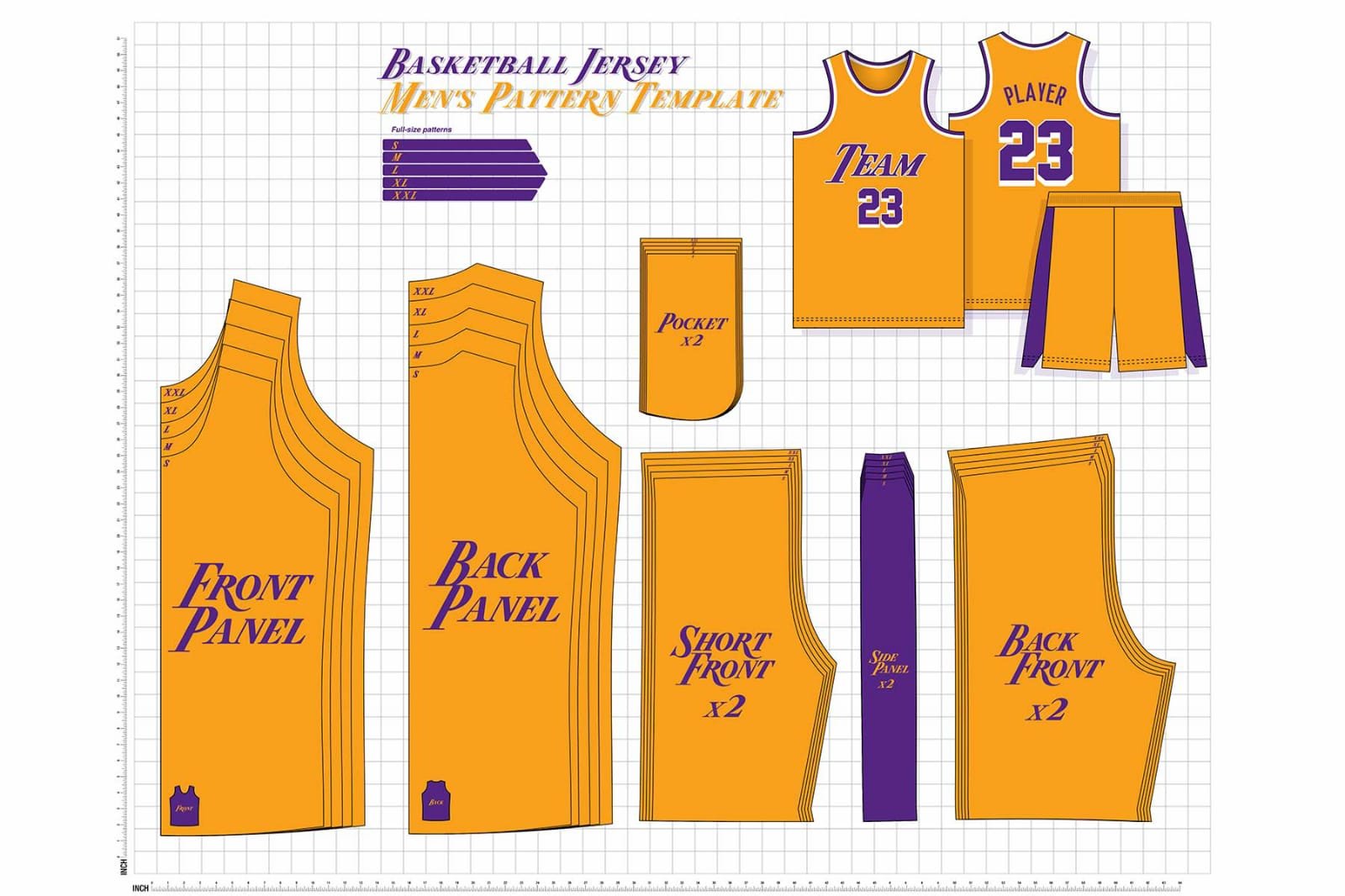
An email lands from your factory at 11pm. Subject line: “Clarification needed — cannot proceed.” Your tech pack is marked up in red. Six questions about measurements. A missing fabric spec. No Pantone codes on your color callouts. Production stalls until you respond. That’s three days lost at minimum. Likely more once the back-and-forth begins.
This happens across the industry all the time. Brands spend weeks on design concepts and mood boards. Then they submit tech packs with gaps that force factories to guess. But factories don’t guess. They stop and ask. Every question adds days. Every revision round pushes your delivery window further out. A tight tech pack removes that friction before it starts.
What a Tech Pack Actually Needs to Communicate
A tech pack is a blueprint. It tells your factory what to build without a phone call, a video meeting, or any guesswork. Every measurement, material, color, method, and finish should be clear on the page. Someone with zero context about your brand should be able to produce the garment correctly from this document alone.
For a custom basketball jersey, that means going beyond a sketch and a size chart. You need to state fabric content, weight, and finish. Artwork placement must be mapped to exact coordinates. Trim details, label specs, and packaging notes all belong in the same file. If a decision exists about the garment, the tech pack should contain it.
Think of it as removing yourself from the process. If your factory can build the jersey without contacting you once, the tech pack did its job. Every question they send back is a gap in the document.
Measurements and Grading That Leave No Room for Confusion
Bad size charts cause more rejections than any other single issue. A factory needs numbers for every size in your run. Not just the base size with a note saying “grade up.” They need exact figures at every point of measure across the full range.
Critical measurements for basketball jerseys include:
- Chest width at one inch below the armhole
- Body length from highest shoulder point to hem
- Shoulder width seam to seam
- Armhole depth and curve shape
- Neck opening width and drop, front and back
- Hem width at rest and stretched tolerance
Grading rules should spell out the jump between sizes. Does your chest grow one inch per size or one and a half? Does body length scale evenly or jump more between L and XL? These details feel obvious to you. You’ve been staring at the design for weeks. Your factory sees the garment for the first time when the tech pack arrives.
Include a measuring diagram. Show exactly where each measurement gets taken. Factories in different regions sometimes measure from slightly different points. A visual reference removes that variable. It makes sure everyone reads the numbers the same way.
Fabric and Material Specs That Don’t Require Follow-Up
Writing “mesh” or “Dri-Fit” in your tech pack tells a factory almost nothing. Hundreds of mesh options exist. Dri-Fit is a branded term that covers dozens of constructions. Your spec needs to narrow the field to one clear option.
A complete fabric callout includes:
- Fiber content with exact percentages (100% polyester, 90/10 poly-spandex)
- Weight in GSM
- Construction type (eyelet mesh, bird’s eye, interlock knit)
- Finish (matte, semi-gloss, brushed back)
- Stretch direction if applicable (two-way, four-way, mechanical)
- Fabric supplier or reference swatch number if you have one
Color also needs precision beyond naming. “Navy” means different things to different dye houses. Include a Pantone code for every color in your design. If you can’t match to Pantone exactly, send a physical swatch with your sample request. Screens show color differently. Printers render it differently again. Only a physical reference or Pantone code removes the guesswork.
The goal is zero ambiguity. Your factory should open the tech pack and know what to source. No questions about materials. No emails back and forth.
Artwork Placement and Decoration Details
Most basketball jerseys carry some form of printed or embroidered artwork. How you map its placement decides whether your sample matches your mockup. Get it wrong and you’ll need a second round.
Give artwork coordinates measured from fixed reference points. A chest logo placed “centered” leaves room for interpretation. A chest logo placed “3.5 inches below the neck seam, centered on the front panel” does not. Factories work in numbers. They don’t estimate by eye.
File format matters too. Use vector files (.ai or .eps) for logos and type. Use high-resolution rasters (300 DPI minimum) for photo-based sublimation prints. Files pulled from a PowerPoint or a website screenshot create problems. Supply print-ready artwork in the format your decoration method requires.
State the decoration method directly. Sublimation, screen print, heat transfer, embroidery — each one carries different file needs and production steps. Don’t assume your factory will pick the right method by looking at the graphic. Call it out. Include stitch counts for embroidery. Include color separations for screen printing. Each method has its own technical language. Your tech pack should speak it clearly.
Trim, Labels, and Finishing Instructions
Trim gets skipped in most first-draft tech packs. It’s also where factories ask the most questions after measurements. Every label, tag, drawcord, and finishing detail needs its own section with exact specs.
Main label: material (woven, printed, heat transfer), size, placement, fold type, and how it attaches. Care label: content, placement, and legal requirements for your target market. Hang tags: design file, how and where it attaches, and connector type.
Stitch details matter too. What stitch type for the hem? Coverlock, single needle, or blind hem? What thread color — contrast or match? What seam allowance on side seams? These small decisions exist whether you make them or not. If you don’t specify, your factory defaults to their standard. That default might not match your vision.
Packaging rounds out the tech pack. How should the jersey be folded? Tissue paper or none? Poly bag weight? Branded elements inside the package? Sticker seals? How many units per shipping carton? Each detail carries a cost and a visual impact. Spell them out upfront. That prevents surprises when finished goods arrive looking different than you pictured.
Common Rejection Triggers and How to Avoid Them
Factories reject tech packs for predictable reasons. Knowing the triggers lets you audit your document before you submit it. Catch the gaps early so they don’t cost you days later.
The usual culprits:
- Missing Pantone codes
- Vague fabric descriptions
- Size charts with empty cells
- Low-resolution artwork
- No grading rules between sizes
- Decoration placement described in words but not mapped with coordinates
- Conflicting info between pages — a color in the sketch that doesn’t match the spec sheet
Before sending, ask one question: could a stranger build this jersey using only this document? If any part needs a conversation, revise it. Twenty minutes of tightening saves the week-long delay that comes from a factory pause.
Effective Sportswear works with brands at every stage of tech pack readiness for custom basketball jersey fashion. Some arrive with a complete spec document. Others bring a rough concept that needs shaping. Their team bridges the gap between creative intent and production-ready specs. That cuts the revision cycles that slow most brand-to-factory timelines.
The Payoff of Getting It Right the First Time
A clean tech pack does more than dodge rejection. It shrinks your entire timeline. Sampling moves faster because questions don’t stall the queue. Bulk production starts without revision rounds eating into your delivery window. Your factory treats you as a priority because working with you costs them less internal time.
That payoff grows over multiple seasons. Each collection builds on the relationship and the standards you’ve set. The brands getting jerseys to market fastest don’t always have the biggest budgets. They’re the ones whose paperwork never hits a wall.