The Overlooked Tools That Make Artificial Grass Installations Work Better
The Overlooked Tools That Make Artificial Grass Installations Work Better

Artificial grass projects often focus on the turf itself. Buyers compare color, pile height, texture, and where the finished surface will sit. But a successful installation depends on more than the visible layer. The materials used to secure, join, support, and maintain the turf can shape how well the surface performs over time.

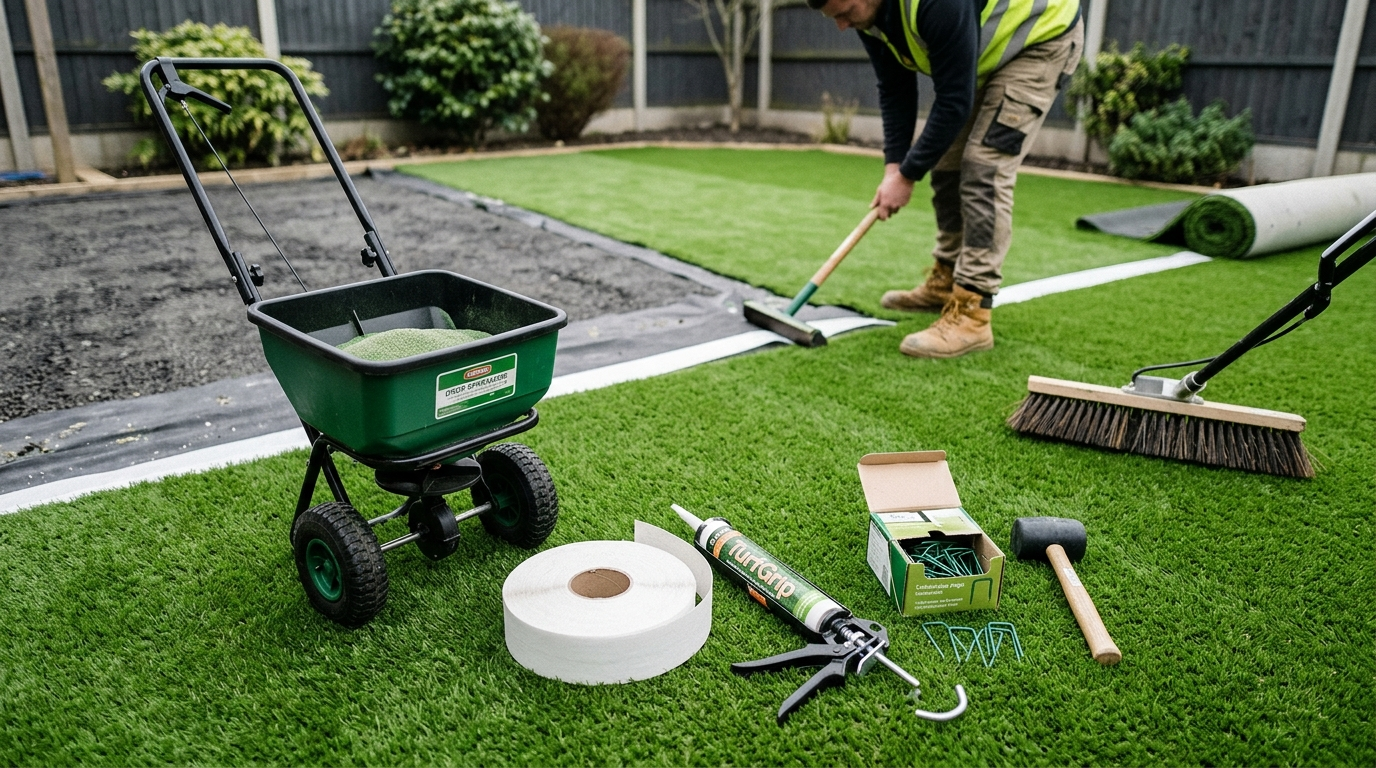
That is why supporting materials deserve attention early in the planning process. Items like seam tape, fasteners, infill, weed barrier, drainage materials, and cleaning tools can all affect the finished result. For homeowners, property owners, business spaces, and pet-friendly areas, the right accessories can make the difference between a quick surface update and a turf installation that feels stable, clean, and easier to maintain.

For buyers planning a complete setup, grass accessories can help show which supporting materials may belong in the project. Looking at those items early makes it easier to plan the full installation instead of focusing only on the turf roll itself.

Accessories Turn Artificial Grass Into a Complete System

Artificial grass should be planned as a system, not just a surface. The turf may be the main product, but the surrounding materials help determine how the finished area looks, feels, and holds up.

Seam tape helps connect separate turf sections. Staples or other fasteners help keep edges in place. Weed barrier can help separate the turf area from unwanted growth below. Infill may support the fibers and improve stability in certain setups. Drainage planning helps water move through or away from the surface.

When these details are ignored, buyers can run into problems after installation begins. The turf may look right at first, but loose edges, visible seams, poor drainage, or missing support materials can make the project harder to manage later.

Many Buyers Underestimate Installation Materials

First-time artificial grass buyers often assume the main decision is choosing the turf. That makes sense because the turf is the most visible part of the project. But installation materials often control whether the finished surface feels secure and practical.

A backyard, patio, balcony, business entry area, event space, or dog run may all need different supporting materials. A small patio may need clean edge control. A larger lawn may need better seam planning. A high-traffic area may need stronger stabilization. A pet area may need extra attention to drainage and cleaning.

The right materials help the installation match the way the space will actually be used.

A Better Installation Starts With Better Planning

Artificial grass installations go more smoothly when buyers think through the full process before the work starts. The questions are simple but important:

  • How will the turf be secured?
  • Will multiple pieces need to be joined?
  • What is underneath the turf?
  • How will water drain?
  • Will the space get heavy foot traffic?
  • Will pets use the area?
  • What cleaning routine will the surface need?

Answering these questions early helps buyers avoid missing materials. It also makes the project easier to budget because the supporting items are included from the start.

Seam Tape and Edge Support Matter More Than People Expect

Seams and edges are two areas where small details can affect the final result. If two sections of turf need to meet, the seam should be planned carefully so the surface looks clean and stays aligned. If edges are not secured properly, they may lift, shift, or create uneven spots over time.

This matters in many settings. A home lawn should look natural. A business-facing outdoor space should look tidy and professional. A pet area should stay secure even with repeated movement. A play area or shared-use space should feel stable under regular traffic.

A guide on choosing artificial turf seam tape can help buyers understand one of the most common installation details before they start laying turf.

Drainage Should Be Part of the Accessory Plan

Drainage is one of the most important parts of an artificial grass project. Even if the turf looks good, poor drainage can create standing water, slow drying, odor concerns, and maintenance issues.

Drainage matters for residential lawns, patios, balconies, business areas, and pet-use spaces. Any area exposed to rain, rinsing, or regular cleaning needs a plan for where water will go. That may involve the surface below the turf, base materials, drainage layers, or accessories that support water movement.

For pet-friendly installations, drainage becomes even more important because cleanup is part of daily or weekly use. But the same principle applies broadly: a turf area is easier to live with when water movement is planned from the beginning.

Accessories Help Match Turf to the Space

Different artificial grass projects need different support materials. A small balcony may need a simpler setup than a large backyard. A front lawn may need a different plan than a side yard. A commercial display area may need cleaner edges and a polished finish. A pet relief area may need stronger drainage and easier cleanup.

That is why accessories should not be treated as generic add-ons. They should match the project.

A buyer planning a decorative lawn may care most about appearance and neat seams. A buyer planning a high-traffic area may focus on stability. A dog owner may think more about cleaning, odor control, and repeated wear. A business owner may want a finished surface that looks good to customers and holds up to regular use.

The right accessory choices depend on the space, not just the turf product.

Pet-Friendly Installs Need Extra Practical Planning

Pet areas create unique pressure points. Dogs often use the same paths, stop near the same edges, and concentrate wear in specific areas. If the turf is not secured well or the drainage is not planned correctly, small problems can become more noticeable over time.

That does not mean accessories only matter for pet owners. It means pet areas are a clear example of why supporting materials are important. The same installation principles also apply to other high-use spaces: secure the surface, plan the seams, support drainage, and make maintenance realistic.

For pet owners, the goal is not just to install artificial grass once. The goal is to create a surface that can support a repeated routine.

Cleaning and Maintenance Should Be Considered Before Installation

Artificial grass is often chosen because it can reduce the maintenance demands of natural grass. Still, it is not completely maintenance-free. Buyers should think about how the surface will be cleaned before the installation is finished.

This matters for all kinds of spaces. Leaves, dust, spills, rain, foot traffic, and pet use can all affect the surface. A good maintenance plan may involve rinsing, brushing, removing debris, and using the right tools for the type of space.

For pet-use areas, cleanup is especially important. A guide on the best routine for pet turf cleaning at home can help connect the installation stage with the care routine that follows.

Better Accessory Planning Can Prevent Budget Surprises

Many buyers budget for the turf first and think about accessories later. That can create surprises once the installation begins. Tape, fasteners, infill, weed barrier, drainage materials, and cleaning tools may all affect the final cost.

Planning for those items early gives buyers a more realistic view of the project. It also reduces the chance of stopping mid-installation because a necessary material is missing.

This is helpful whether the buyer is handling the installation themselves or hiring someone else. Even when a contractor is involved, understanding the supporting materials makes it easier to ask better questions and review the plan.

First-Time Installers Benefit Most From a Full Setup View

First-time installers are more likely to focus on the turf surface because that is the part they can picture most easily. But the hidden parts of the project often decide how well the installation works.

A first-time buyer may not immediately think about seam direction, edge security, water movement, or long-term cleaning. Those details become obvious once the project is underway, but by then it may be harder to adjust.

A full setup view helps buyers prepare before the turf arrives. It also makes the finished surface feel more intentional, whether it is being used for a backyard, patio, balcony, business space, pet area, or shared outdoor section.

The Best Turf Projects Usually Depend on More Than Turf Alone

Artificial grass works best when the visible surface and supporting materials are planned together. The turf creates the look and feel, but the accessories help secure, connect, drain, and maintain that surface over time.

That is why buyers should think beyond the turf roll. They should consider the space, the base, the seams, the edges, the drainage, the traffic level, and the cleaning routine before choosing the full setup.

The best artificial grass projects are not built from turf alone. They come from matching the surface and the supporting materials to the way the space will actually be used.

0 0 votes
Article Rating
Subscribe
Notify of
guest

0 Comments
Inline Feedbacks
View all comments
0
Would love your thoughts, please comment.x
()
x