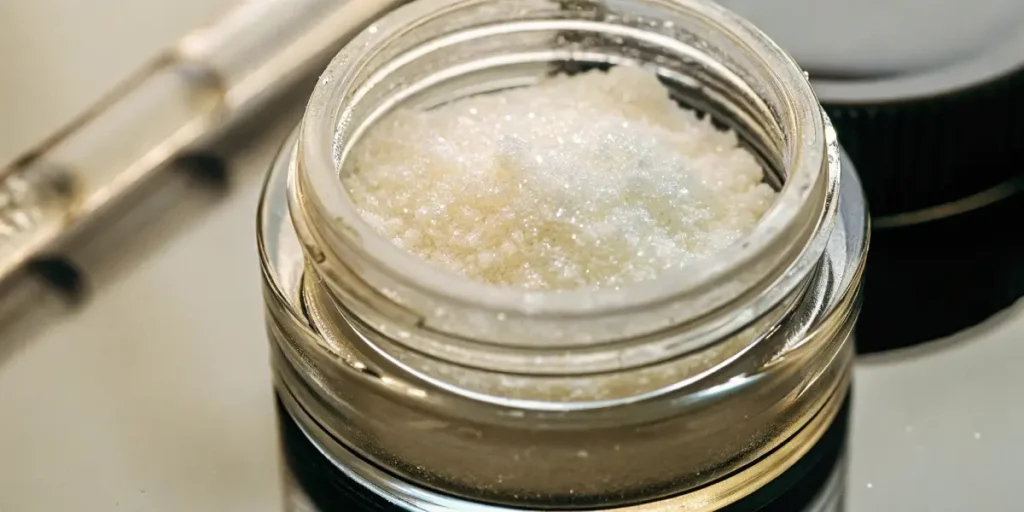
Smart buyers like you look past labels before you trust isolate powder because risks can hide there. You may hope for relief, yet state rules and heat can change how the powder works and how the law treats you.
In addition, dose, method, and storage matter. Poor testing or rough handling can raise the risk of dirt or germs, which may leave you with side effects. Lab tests help you check quality and the 0.3% THC cap, so start with the isolate’s purity level.
Assess THCA Isolate’s Purity Levels
The core risk in THCA isolate powder starts with how much of the sample is real THCA rather than stray compounds. It shows what the powder may hide.
- assay range: You should look for THCA results near 99%, because lower figures leave room for THC, CBDA, CBN, and residue. Tests using 1H NMR at 400.13 MHz and 500.13 MHz can split THCA from near plant compounds.
- impurity screen: You face more risk if labs miss nonpolar parts, where cannabinoids showed up mainly after chloroform extraction. GC FID/MS and LC HRMS/MS let you compare their panels, and they track 8 major cannabinoids plus 36 terpenes.
- fingerprint match: It helps you if the powder matches a tight metabolite fingerprint, because PCA uses THCA and CBDA to sort samples. You can judge risk if you see reports show 134 nonpolar compounds and 46 polar ones behind the benefits of thca isolate.
Evaluate Potential Health Benefits
Fresh research gives you clues. The proof is early, so you should read these benefits as maybes.
- Inflammation support: Early studies suggest raw THCA may help shape swelling tied with arthritis, bowel issues, and chronic pain. That gives you a reason to watch it if flare ups shape your week.
- Brain cell interest: Research on Parkinson’s and Alzheimer’s has explored whether THCA may help guard brain cells from harm. It’s an early sign, yet it may matter if you track brain health.
- Nausea focus: THCA has drawn interest for easing nausea and vomiting, which matters during chemo, pregnancy, or chronic illness. Because raw THCA stays non psychoactive, you may see it as a mild option.
- Appetite support: Like THC, THCA may help guide appetite, which can matter during treatment related food loss. There’s real interest here, and you often hear raw 5mg to 25mg amounts in early wellness routines.
Consider Legal Status Variations
Health claims may draw eyes first. Legal status is often your main THCA isolate powder risk, because federal hemp rules and state bans still clash.
- Federal baseline: Under the 2018 Farm Bill, hemp stays legal only if delta 9 THC remains under 0.3% by dry weight. THCA can turn with heat, so regulators may still see it as higher risk during sales, shipping, or review.
- State rule gaps: State laws can use total THC formulas, and you may face felony risk if local limits treat THCA as marijuana. Reuters has reported that lawmakers in several states tightened hemp rules as stores sold products beyond their old limits.
- Travel and sales risk: Online orders can cross state lines, and they may trigger seizures when labels meet one state rule, not another. You will want invoices, test reports, and local counsel because you can face civil fines and lost stock fast.
Examine Consumption Methods and Safety
Safe use starts with how you take THCA and how heat changes it. The CDC and NIDA both note that if you inhale cannabis, it can hurt your judgment, and they urge care with your method.
- Heat exposure: Smoking, vaping, and cooking will heat THCA and turn much of it into THC. That change can raise intoxication and impairment risk, so you need a clear plan before you use it.
- Low dose pacing: If you’re new, you should start with a very low amount and wait before you take more. NIDA says cannabis response varies a lot, and their data shows your tolerance can differ more than you may expect.
- Lower smoke options: Edibles, tinctures, and topicals may help you avoid inhaling, though heated recipes can still make THC. There’s added value in clinician help, and CDC says about 30% of users get use disorder.
Analyze Possible Side Effects
THCA isolate powder can seem mild, but side effects still need a close look. It doesn’t turn on CB1 receptors in raw form, so you’re less likely to feel high.
- Dry mouth: Dry mouth is one of the most common effects, and you may notice cottonmouth soon after your dose.
- Digestive upset: It can also upset your stomach, and some people say you may see appetite or weight changes with repeated use.
- Dose related fatigue: You may feel tired at higher amounts, and Tennessee Behavioral Health notes larger doses can raise bad reactions.
- Allergy signs: The rarer issue is allergy signs, and you may start with itchy skin or tight breathing.
- Heat conversion risk: In raw form, its carboxyl group blocks CB1 binding, so you’re less likely to feel high unless heat turns it.
Investigate Product Quality Assurance
Clear quality checks cut your risk before any THCA isolate powder reaches your cart.
- Source review: Start with the source, because regulated products face outside testing, contamination controls, and concentration limits. Researchers at the University of British Columbia note that source status strongly affects overall product quality.
- Label review: Next, you should check whether the label lists cannabinoid content, product type, batch details, and plain dosing facts. With thousands of cannabis products sold, weak labels can hide risk and leave you guessing.
- Process controls: Then you should ask how they manage manufacturing, decontamination, and contaminant reduction before any powder enters final packaging. It helps because cannabis being called natural can still give you a false sense of safety.
- Standardization gap: There’s still a broad need for standardization, since clinicians face mix-ups across products and packaging. The University of Toronto team found clear quality markers help patients keep their care plans safe from harm.
Review Storage and Handling Guidelines
After that lab check, storage rules deserve the same close care. For THCA isolate powder risk checks, you should use airtight glass jars, not plastic, since oxygen and damp air can cut shelf life. The goal is simple, and clear labels help you track your use.
In addition, UV safe jars help. Experts say they cut light harm, slow loss, and reduce damp film that can support germ growth in a fridge. Oregon pros favor glass. It stays non reactive, and you get easy seals that keep terpene loss low.
There, staff can guide you by email.
Smart buyers treat THCA isolate powder risk as a first check. That call will help you judge how clean it’s before you check dose strength, source records, and release tests. Blind trust has costs. Without clear lab reports you may miss heavy metals, leftover solvents, or wrong potency that could raise legal concerns.
As a result, that risk grows fast. So you have to check batch specific COAs every time. Then you dose with care. Even pure isolate has effects that you may read wrong as a new user. Specifically, small dose slips can grow very fast.
If you buy from Hemp Supply Prime you will get steady specs, proven testing, and cleaner sourcing with less guesswork. That plan will cut easy to skip risk and help you guard your margin.