Water is not only one of the most vital elements of life but also one of the most misunderstood factors of health. All human body organs, tissues and cells rely on sufficient supply of fluids to operate effectively. Electrolytes like sodium, potassium, calcium, magnesium, chloride and phosphate, along with water, are the key components of maintaining the internal balance of the body. A combination of hydration and electrolyte control constitutes a fundamental component of homeostasis, which is the capacity of the body to ensure the stability of its internal environment despite the continuous variability of the external conditions as well as the internal processes. Regardless of whether an individual is at rest, in exercise, asleep, sweating or recovery of illness, the body maintains a constant balance of fluid and mineral levels in the blood to enable normal body functions to proceed without problems. Disruption of this balance may lead to such outcomes as dehydration, fatigue, lack of concentration, muscle dysfunction, and severe problems due to the imbalance of electrolytes.
The value of hydration is much more than just in quenching thirst. Water is the transportation system, temperature, chemical, and waste elimination route of the body. The body fluids contain electrolytes dissolved in them that produce electrical gradients required in nerve impulses, muscle contractions, heartbeat regulation, and cellular communication. As a result, slight fluctuations in fluid or electrolytes can cause extensive consequences on both physical and mental performance. The revelation of the hidden connection between water, minerals, and inner balance assists in pointing out the fact that hydration is one of the most important yet underestimated health and homeostasis pillars.
Knowledge of Hydration and Homeostasis
The natural tendency of the body to stay within a healthy range of internal conditions is known as homeostasis. Such conditions are body temperature, blood pressure, blood sugar, oxygen level, pH balance, and fluid composition. Most of these processes take place in water. Blood, lymph, digestive fluids and intracellular fluids are all reliant on proper hydration to transport nutrients, hormones and oxygen throughout the body. Lack of proper levels of fluids causes a strain in the body systems and therefore, it becomes difficult to create a balance.
Electrolytes are minerals which when dissolved in body fluids carry electrical charges. Sodium assists in maintaining the water balance and blood pressure, potassium aids in the functioning of the muscle and heart, calcium is needed in order to contract the muscles and transmit nerve impulses, magnesium is needed to generate energy and enzyme work. The imbalance of the concentration of any of these minerals is called an electrolyte imbalance and is associated with the excess or deficiency of that mineral. This may have an impact on hydration condition, as well as organ functionality. Due to the interaction between water and electrolytes, adequate hydration is not merely the amount of fluids consumed but also the appropriate balance of minerals to promote homeostasis.
The role of Fluids in body temperature
Temperature regulation is one of the most crucial functions of hydration in homeostasis. Human body produces heat on a continuous basis due to metabolism, physical activities and normal functioning of body organs. Water is used in the body as a cooling system to avoid overheating by sweating. When the sweat is discharged on the skin and evaporates, it dissipates heat out of the body, and it keeps the internal temperature constant.
This is an important process since the enzymes and cellular reactions are at their best when there is a limited range of temperature. In case the body temperature is excessive, proteins can be destroyed and the metabolic processes can become sluggish or even broken. Proper hydration is the way to guarantee that there is sufficient fluid to produce sweat and circulate it. The blood, which is mostly water, also aids in the transportation of heat to the active tissues to the skin where it could be released.
The body is unable to cool down efficiently, when there is inadequate fluid intake. A decrease in the amount of sweating and the quantity of blood lowers the chances of heat exhaustion and heatstroke. Through this, the dehydration has a direct effect of interfering with homeostasis and can also lead to severe complications.
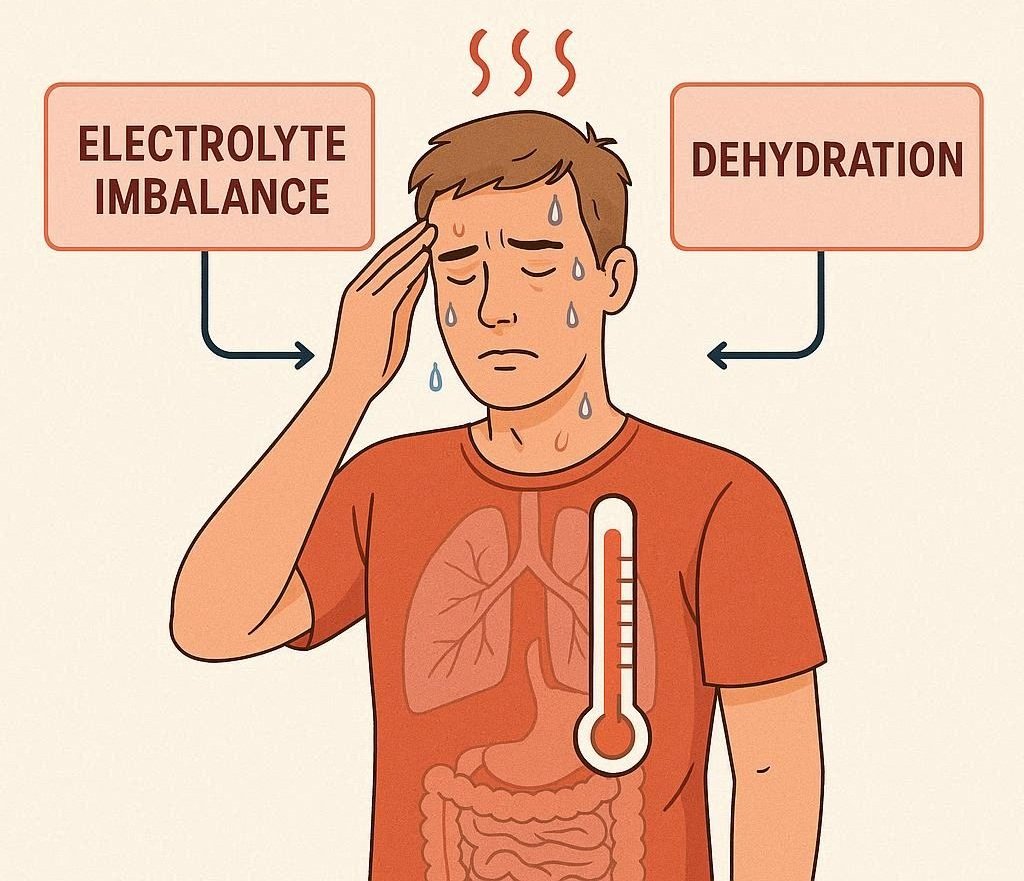
“electrolyte imbalance and dehydration with regard to body temperature regulation”.
Transport of Nutrients and Elimination of Wastes
Water is also a significant means of transporting nutrients in the body. The glucose, amino acids, vitamins, minerals, oxygen, and hormones are transported to the cells and tissues by blood plasma which is predominantly composed of water. All organs depend on this system of water to obtain these substances necessary to energy production, growth and repair.
Water is also essential in eliminating waste. The kidneys cleanse blood of waste products and release them as urine. This process requires an adequate fluid consumption to ensure blood circulation and to aid filtration. Dehydration leads to the concentration of urine and the kidneys have to strain to retain water. In the long term, this can lead to additional risks of kidney stones, urinary problems, and decreased kidney performance.
These effects can be aggravated by an electrolyte imbalance since other minerals such as sodium and potassium also have to be maintained by the kidneys. Lack of hydration can hence disrupt the process of disposing the waste materials as well as the electrolyte balance concurrently putting severe strain on the internal balance of the body.
Hydration and Cellular Function
Water is essential to all the cells of the body. Water ensures cell shape, aids chemical reactions, and enables the movement of nutrients and waste products through cell membranes. The cells will become shrink, lose their efficiency, and become incapable of carrying out their normal functions without sufficient hydration.
Electrolytes are particularly relevant at the cellular level since they aid in regulating the inflow and outflow of water in and out of cells. Sodium is mainly located outside the cells whereas potassium is more concentrated in the cells. This contrast forms an electrical gradient, which plays a crucial role in nerve impulses, muscle contractions and cell communications.
In the case of an electrolyte imbalance the cells might uptake excess water or lose excess water leading to their swelling or shrinking. This is possible to cripple the functioning of the tissues especially the muscles, heart and the brain. The presence of even minimal disruptions can result in weakness, confusion, or irregular heart beats.
The Impacts of Dehydration
Dehydration is the result of the body losing more fluids than it absorbs. This could occur due to excessive sweating, vomiting, diarrhea, fever, poor water consumption or long-term physical activity.
The initial symptoms are frequently thirst, dry mouth, tiredness, headache, and lack of concentration. The homeostatic processes of the body become more stressed as the process of dehydration continues. The blood volume becomes lower, thus decreasing blood pressure, and supplying tissues with less oxygen. Compensating may cause the heart to beat faster, and the kidneys start to preserve water more actively.
More serious cases of dehydration can cause dizziness, confusion, muscle cramps, decreased urine, and fainting. Extremely, dehydration might lead to shock, kidney damage and severe electrolyte imbalance, especially sodium and potassium levels.
Understanding Electrolyte Imbalance
Electrolyte imbalance occurs when the levels of important minerals are abnormal. This can be due to dehydration, kidney disease, drugs, unhealthy diet, excessive sweating, vomiting or diarrhea.
Decreased sodium can bring about headaches, nausea, confusion, and seizures. When the potassium levels are low, they can cause muscle weakness, cramps, and cardiac abnormalities of serious heart rhythm problems. The excessive calcium level can disrupt nerve transmission and digestion.
Since electrolytes balance the electrical activity in the body, the imbalance can easily become severe when not treated.
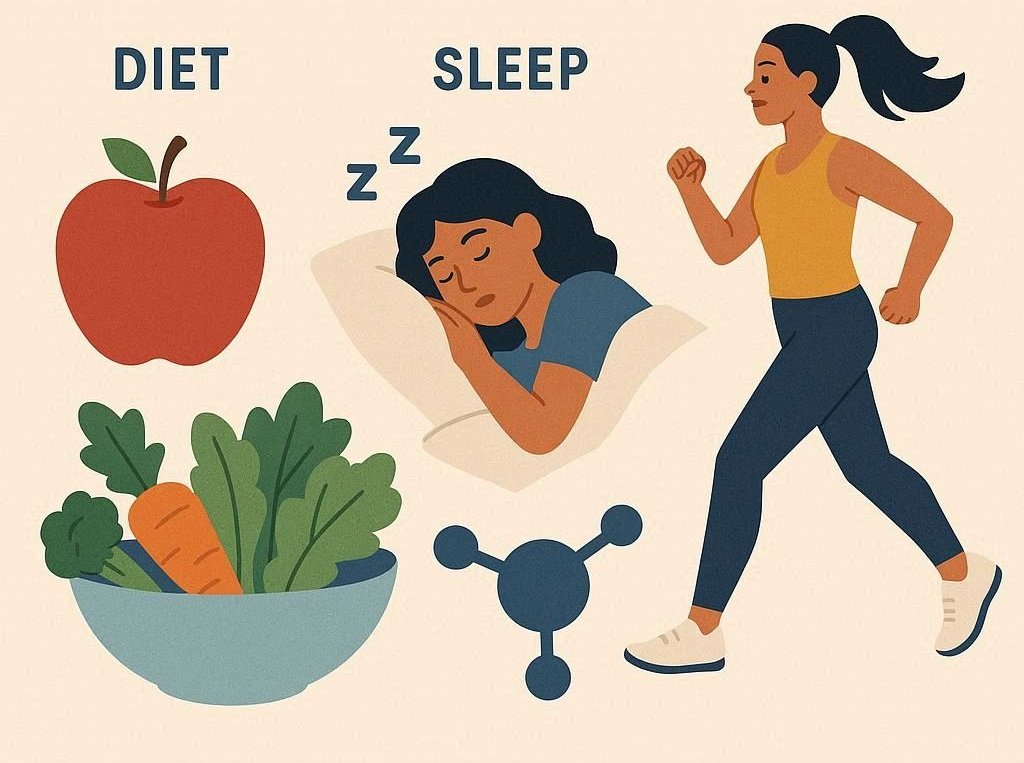
“electrolyte imbalance in terms of muscle functioning and cell stability”.
The reason why hydration is usually ignored
Some individuals take food, exercise and sleep seriously and do not take hydration seriously. However, the key to all of the major homeostatic processes in the body is water and electrolyte balance. Since the process of dehydration is usually initiated with mild conditions, it can remain unknown until its effects have been felt in performance and health.
Real Life Tips on how to be balanced
To stay hydrated, the amount of water needs to be taken regularly throughout the day, particularly during hot weather or exercise. Healthy electrolyte levels are also supported by eating balanced meals that contain high levels of minerals like potassium, calcium and magnesium. It is also important to replace the fluids lost to the sweat and illness.
Conclusion
Hydration and electrolyte imbalance are inextricably related to homeostasis and health in general. Water maintains temperature, carries nutrients, assists cellular functions and aids in eliminating waste, and electrolytes sustain fluid balance and electricity.
Due to their key location in almost all body systems, hydration and electrolyte balance needs to be considered an important aspect of long-term health and internal stability.