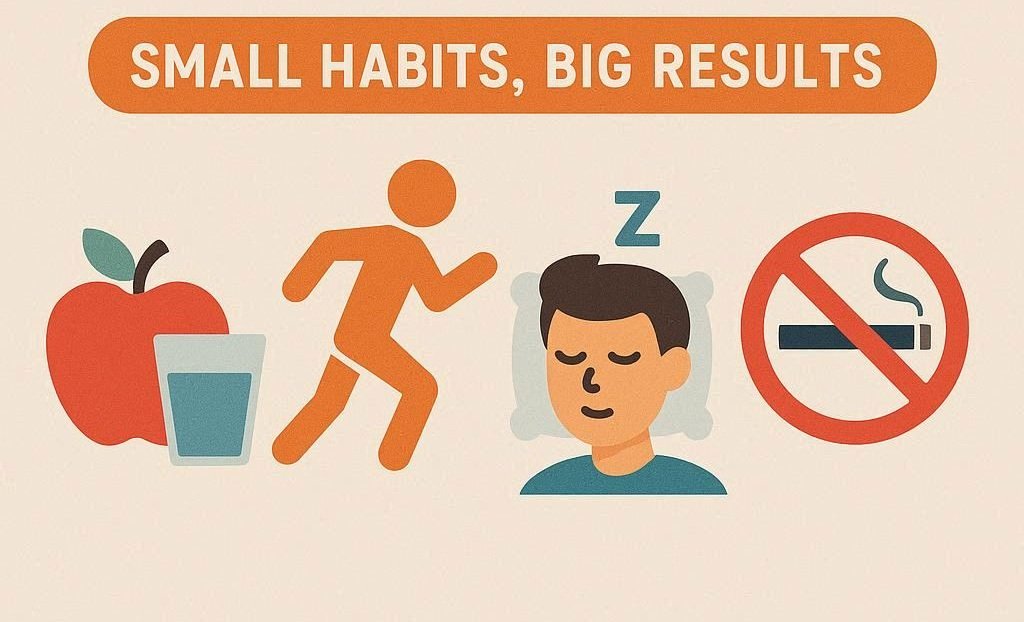
Genetics is usually linked to longevity but studies are increasingly showing that habits in our day to day lives are equally strong determinants of how long and how well we live. The aging process can be directly affected by the decisions that people make on a daily basis, including what they do and do not eat, how much they sleep, move, and cope with emotional stress. Although nobody can fully regulate aging, the lifestyle can either hasten the physical deterioration or promote healthy aging and longevity.
Lifestyle factors have a strong impact on many age-related chronic diseases, including cardiovascular disease, diabetes, obesity, and cognitive decline. This implies that those small habits, which are undertaken repeatedly with time, are capable of having considerable long-term payoff. The way the body repairs itself, controls inflammation, and keeps organs functioning is influenced by diet, exercise, quality of sleep, and coping with stress.
The promising fact is that to encourage longevity, it is not necessary to take radical actions. Green everyday habits can have the most significant outcomes. This article will discuss how the habits that are simple can influence the aging process and provide an effective framework on how to implement long-term lifestyle changes to improve health, decrease the risk of disease, and improve overall well-being.
The relation between Lifestyle and Aging
Aging is a biological process which is affected by both external and internal factors. Although genetic predisposition influences lifespan, environmental and behavioral habits have strong influence over the aging of the body.
Daily habits affect metabolism, hormone balance, immune system, levels of inflammation, heart health and cognitive abilities.
As an example, inappropriate diet and lack of activity can enhance oxidative stress and chronic inflammation, which are factors leading to accelerated aging. Conversely, healthy habits promote cellular repair, improved immunity as well as energy regulation.
That is why big long-term consequences can be achieved by small lifestyle changes.
Nutrition and Longevity
One of the most impactful life factors on lifespan and healthspan is diet.
A diet rich in nutrients helps in repairing cells, boosting immunity, and organ performance. Foods that contain a lot of vitamins, minerals, antioxidants, healthy fats and low-protein foods can be used to prevent the body against aging.
Fruits and vegetables are particularly useful since they have antioxidants that aid in counteracting free radicals. Free radicals also cause oxidative stress, which is known to increase the pace of aging and development of diseases.
- Whole grains maintain constant energy, and healthy fats in the form of fish, nuts, and olive oil maintain heart and brain health.
- A decrease in processed foods, excess sugar, and trans fats can greatly decrease the risk of diseases and help people age healthier.
Food decisions people make about nutrition every day add up to decades.
Exercise: Healthy Aging
Exercise is considered to be one of the best predictors of life span:
- Workouts enhance the health of the heart, the bulk of muscles, bone density, metabolism, and control weight.
- As individuals grow old, exercise becomes even more significant since it will aid in maintaining their mobility and autonomy.
- Long-term health is aided by walking, strength training, stretching, swimming and cycling.
- Even mild exercise of 30 minutes daily may have a huge impact in lowering the probability of chronic diseases.
Exercise further aids the mental health, and enhances the quality of sleep, which is also a factor in the aging process.
Sleep and Cellular Rejuvenation
The importance of sleep is something that is always underrated, but it is among the most important systems in the body to recover on.
- Sleep helps the body to repair tissues, consolidate memory, control hormones, and eliminate metabolic waste out of the brain.
- Lack of sleep is associated with obesity, cardiovascular disease, impaired immunity and accelerated cognitive decline.
- When adults regularly sleep restoratively, they are physically and mentally stronger.
Having a healthy sleeping routine, reducing screen time at night, and establishing a relaxing sleeping routine are feasible methods to increase lifespan.
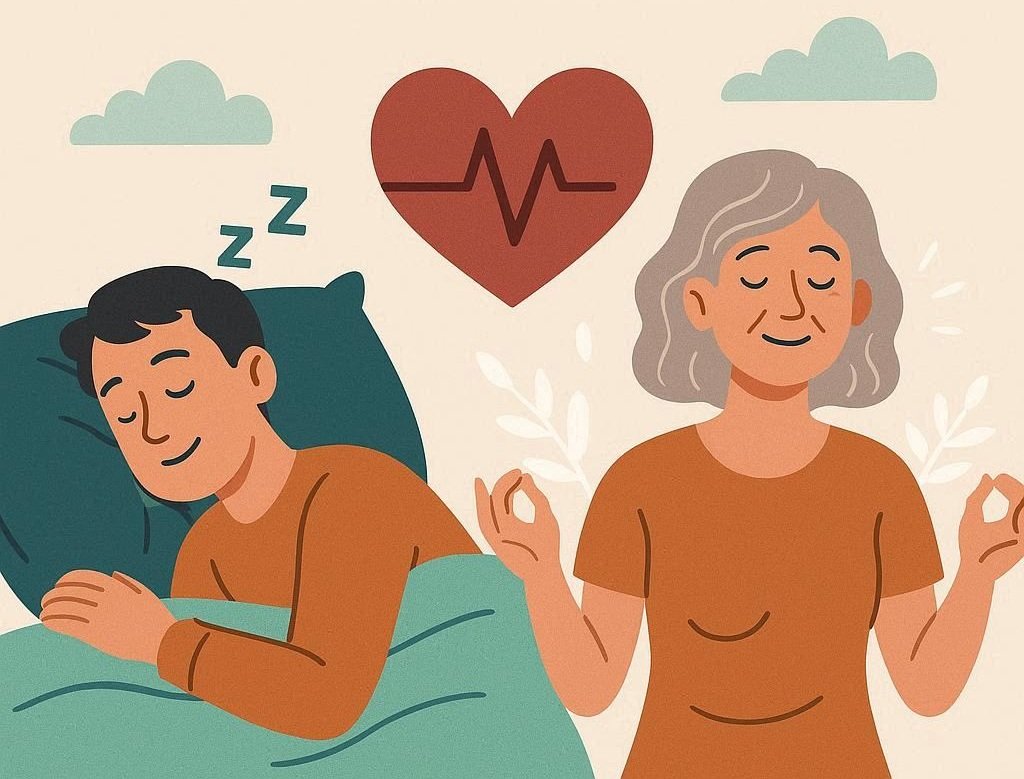
“healthy sleep and stress management to live long”.
Stress Management and Longevity
One of the most overlooked lifestyle factors in healthy aging is stress management.
Chronic stress has an impact on almost all body systems. High levels of stress hormones like cortisol may lead to inflammation, weakening of the immune system, sleep disturbance, and poor cardiac health.
- Prolonged uncontrolled stress has been associated with biological aging and increased susceptibility to chronic illness.
- These are the negative consequences which can be mitigated through proper stress management.
The emotional resilience can be greatly enhanced by practicing mindfulness, breathing exercises, meditation, journaling, and relaxation techniques.
Stress management is not merely a state of mind comfort- it has a direct influence on physical lifetime.
Strategies of sustainable stress management
Stress management that is healthy is initiated by awareness.
Being aware of triggers including workload, emotional conflict, poor sleep or lifestyle imbalance assists people to be proactive.
- Mindfulness practices are useful in soothing the nervous system and lowering the body stress reaction.
- Breathing exercises will help reduce heartbeat and relax instantly.
- Being outdoors, avoiding overload on screens and creating manageable limits are also part of sustainable emotional health.
The permanency is more important than short-term relief.
Social Networking and Happiness.
Close social ties have close associations with increased lifespan:
- Social support is beneficial in alleviating stress, enhancing emotional stability and promoting healthy behaviors.
- Individuals who have a good connection with their family, friends, and community tend to have a reduced level of stress and a positive outcome in health.
- Social interaction is a worthy aspect of the longevity-centered lifestyle since emotional well-being is closely associated with stress management.
Conversely, loneliness and isolation can have detrimental impacts on mental and physical health.
Avoiding Harmful Habits
Habits that are to be minimized or avoided also contribute to longevity:
- Smoking is a major cause of accelerated aging since it causes damage to blood vessels, weakens their lungs, and makes them prone to diseases.
- Alcoholism can lead to poor liver, heart, and sleep conditions.
- Sedentary lifestyle is also a contributor to metabolism and cardiovascular mortality.
This substitution of bad habits with better health ones brings significant long-term advantages.
The Strength of Consistency and not Perfection
Consistency is more important than perfection is one of the best tips of healthy aging:
- Tiny daily habits tend to be more effective than brief spurts of drastic lifestyle interventions.
- It could be a case in point that the regular daily walks can prove more beneficial in the long-term perspective than the intensive exercise routines which would be hard to keep up.
- This is the same case with nutrition, sleep and stress management.
The key to long-term results is sustainable routines.
An Everyday Model of Lifestyle Change
With a gradual change, adopting sustainable lifestyle habits becomes easier.
- Take one habit at a time.
- A good place to start is by enhancing sleep regularity, taking a daily walk, drinking more water, or engaging in five minutes of mindfulness.
- After developing a habit, new habits can be stacked up in a sequential manner.
This practice enhances compliance in the long term and lessens the overwhelm.

“management of stress by using healthy lifestyle habits”.
Benefits of Healthy Habits in the Long-term
The lifespan is not the only long-term benefits of lifestyle improvements.
- Physical activity promotes vitality, mobility, cognitive and emotional well-being and autonomy.
- They decrease the risk of diseases and enhance the quality of life on a daily basis.
This implies that longevity is not merely about life span but better life.
Conclusion
The influence of lifestyle on longevity is profound and feasible.
Diet, exercise, sleep, and stress management habits have a direct impact on the body, such that a small change in the body, day by day, can make a big difference in the way the body ages and works efficiently.
Constant practice of sustainable changes can decrease the risk of diseases, improve the emotional state, and improve the quality of life, in general.
Small habits make big impacts in the process of healthy aging.