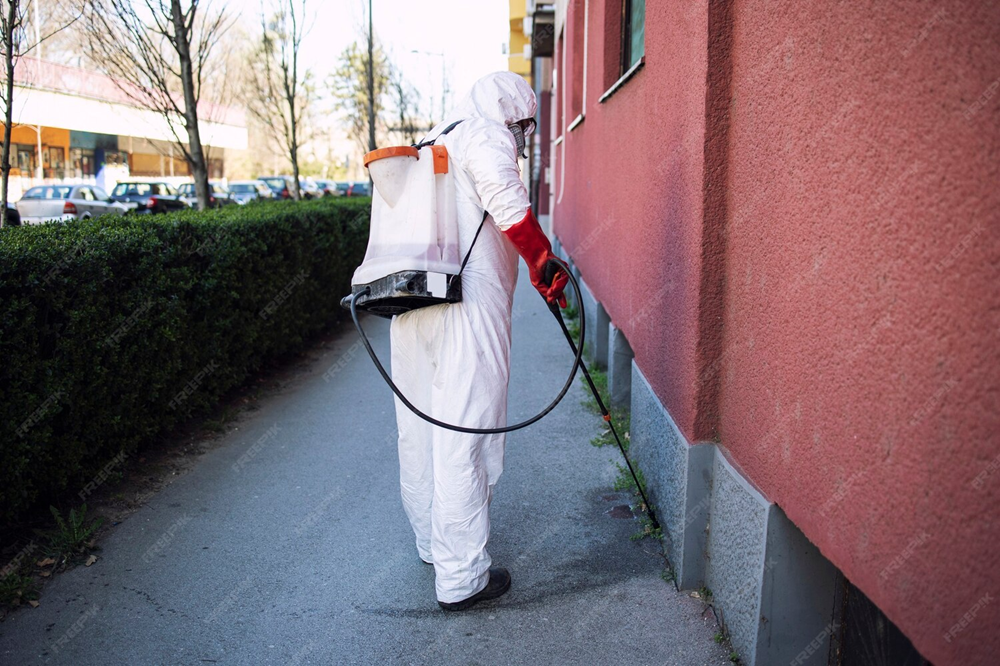
Image source: Freepik
Urban environments create some of the most challenging conditions for pest management. High population density, constant food waste production, and complex infrastructure provide ideal habitats for rodents, insects, and other pests. Cities such as New York City, Tokyo, and London invest heavily in modern pest control systems to maintain public health and sanitation. Effective pest management in these settings requires a combination of prevention, monitoring, and targeted intervention strategies.
Sanitation as the First Line of Defense
Sanitation is the most fundamental component of urban pest control. Pests are primarily attracted to accessible food, water, and shelter. Improper waste disposal, overflowing trash bins, and unclean public areas significantly increase pest activity. Municipal waste management systems that prioritize sealed containers, frequent garbage collection, and street cleaning can dramatically reduce infestations. Public awareness campaigns also play a key role in encouraging individuals and businesses to properly manage waste and reduce attractants.
Structural Maintenance and Exclusion
Another critical strategy is preventing pests from entering buildings in the first place. Urban infrastructure often contains small cracks, gaps around pipes, and poorly sealed doors or windows that serve as entry points for pests. Structural exclusion focuses on sealing these vulnerabilities using durable materials, repairing damaged infrastructure, and designing pest-resistant buildings. This is especially important in older urban areas where aging construction increases the number of potential pest entry points.
Integrated Pest Management (IPM)
A widely adopted modern approach is Integrated Pest Management. IPM emphasizes long-term prevention and minimizes reliance on chemical pesticides. Instead of immediately applying chemicals, pest control professionals analyze the root causes of infestations and use a combination of biological, environmental, and mechanical control methods. Chemical treatments are used only when necessary and in targeted ways to reduce environmental impact and prevent resistance development in pest populations.
Monitoring and Early Detection
Monitoring is essential for identifying pest activity before it becomes a major infestation. Urban pest control programs use traps, sensors, and routine inspections to track pest populations and movement patterns. Data collected from monitoring systems helps professionals respond quickly and precisely, reducing the need for large-scale chemical interventions.
Do ultrasonic pest repellers work?
Advanced technologies are increasingly being tested in urban pest management, but results vary depending on the pest species and environment. Early detection remains one of the most cost-effective and efficient ways to manage pests in cities.
Chemical Control Methods
When necessary, chemical control is used as part of a broader integrated strategy. Modern pesticides are designed to be more targeted, reducing harm to humans, pets, and beneficial organisms. Pest control companies such as Orkin and Terminix apply treatments in controlled, localized areas rather than widespread spraying. This reduces environmental contamination while still effectively managing pest outbreaks.
Biological Control Approaches
Biological control involves using natural predators or microorganisms to reduce pest populations. For example, bacteria such as Bacillus thuringiensis can target mosquito larvae without harming other species. Urban green spaces, parks, and rooftop gardens increasingly serve as testing grounds for biological pest control methods, helping to create more sustainable pest management systems.
Policy and Regulation
Government regulations are essential for maintaining effective pest control in cities. Building codes often require pest-resistant construction materials, while health regulations enforce strict sanitation standards for restaurants, markets, and residential buildings. Coordinated municipal pest control programs are often more effective than isolated efforts, especially for widespread pests like rats.
Climate and Environmental Influences
Climate plays a major role in pest behavior. Warmer urban temperatures, often intensified by the urban heat island effect, can extend breeding seasons for insects such as mosquitoes. Heavy rainfall may force rodents to seek shelter indoors. As a result, pest control strategies must adapt to seasonal and environmental changes to remain effective.
Public Education and Community Involvement
Education is a powerful tool in long-term pest prevention. When residents understand what attracts pests and how infestations develop, they are more likely to take preventive measures. Schools, community organizations, and public health campaigns all contribute to building awareness and encouraging responsible behavior at the household and community levels.
Conclusion
Urban pest control requires a multi-layered and adaptive approach. By combining sanitation, structural maintenance, monitoring, biological methods, regulated chemical use, and public education, cities can effectively manage pest populations. As urbanization continues to grow worldwide, these strategies will become increasingly important for maintaining healthy, safe, and sustainable living environments.