Male fertility is a vital aspect of reproduction; however, it is not commonly talked about in comparison to female fertility. Low sperm count or oligospermia is one of the most prevalent problems that affect the reproductive health of men. This condition is defined as below-average sperm concentration in semen which has the potential to decrease the likelihood of successful fertilization.
Low sperm count does not always imply infertility and it can complicate the conception process. Several men might not even be aware of having this condition until they experience difficulties in conceiving. Knowledge about the causes, identification of the symptoms, and an investigation of the treatment options available are all the necessary steps in enhancing reproductive health.
This article offers a detailed description of low sperm count, its causes, diagnosis, and natural as well as medical remedies of enhancing sperm production. Through learning and initiating measures, people can improve their opportunities to get better reproductive results.
Learning about Low Sperm Count
Low sperm count can be described as the presence of a smaller number of sperm in semen compared to the normal level needed to achieve optimal fertility. Medical guidelines indicate that a low level of sperm counts is less than 15 million sperms per milliliter of semen.
The testes are involved in the production of sperm and this is controlled by hormones like testosterone. This is referred to as spermatogenesis, which is a continuous process, but very sensitive to internal and external factors. Sperm production can be influenced by any disturbance in hormonal levels, temperature, and cellular functioning.
Although a few men with low sperm count may be able to sire children through natural conception, the chances of conceiving the egg is reduced as the sperm concentration diminishes. This is why it is significant to know the factors which lie behind the condition.
Ordinary Causes of Low Sperm Count
A decreased number of sperm may be caused by numerous medical, environmental, and lifestyle-associated causes. It is imperative to discover the cause in order to find the best treatment approach.
Medical Causes
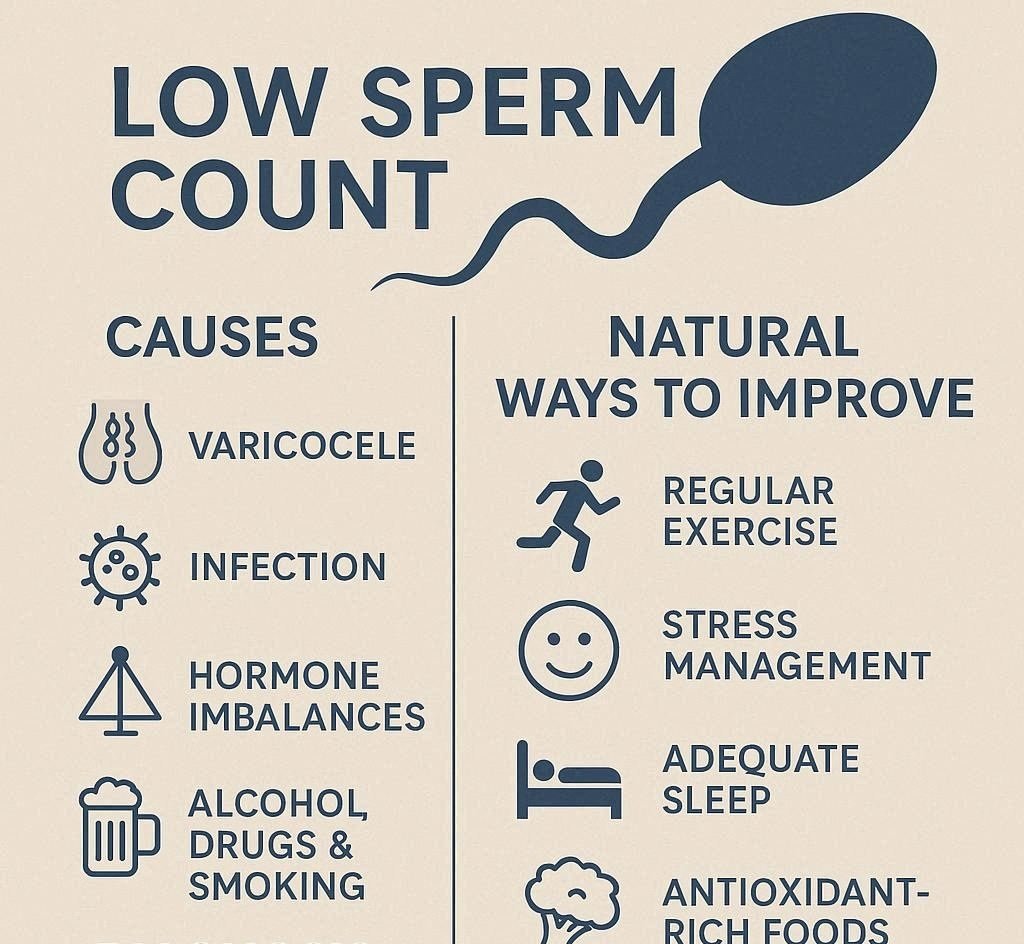
Some medical diseases may have a direct effect on sperm production and quality. The process of spermatogenesis can be interfered by hormonal imbalances, specifically testosterone and other reproductive hormones. The infection of the reproductive organs can also hinder the functioning of sperms or obstruct the flow of the sperm.
One of the most prevalent causes of low sperm count is varicocele, which is a condition that is characterized by the presence of enlarged veins in the scrotum. It may raise the temperature of the testes and this adversely impacts on the production of sperm. In some cases, genetic conditions and developmental problems may also be involved.
Environmental Factors
Reproductive health can be greatly affected by exposure of harmful substances in the environment. Spermicides have been known to disrupt the production and functioning of the sperm by chemicals, pesticides, heavy metals, and radiation.
Reduced sperm count may also be caused by occupational hazards like working in hot conditions, or coming in contact with toxic substances. Sperm production can also be affected even by long-lasting exposure to heat (e.g. frequent use of hot-tubs or saunas).
Lifestyle Influences
One of the most adjustable factors that influence the low sperm count is lifestyle choices. Smoking, alcoholism, unhealthy diet, and physical inactivity may all have adverse effects on the health of sperms.
Another factor is stress. Stress in the form of chronic one might interfere with the hormone levels and decrease the levels of testosterone that would cause low sperm count. In a similar manner, obesity has been associated with hormonal imbalance and infertility.
Symptoms and When to Seek Help
Low sperm count, in most instances, does not show any evident symptoms. Its most frequent symptom is the inability to become pregnant after 1 year of regular, unprotected sex.
Other men might also have other symptoms of underlying conditions, including hormonal disruptions or infections. These can involve low sex drive, erectile problems, or pain at the testicular region.
Symptoms are often subtle or not, hence early testing is critical. Timely diagnosis and treatment can be achieved by consulting a doctor when fertility issues are suspected.
Diagnosis of Low Sperm Count
Low sperm count is normally diagnosed by a combination of medical history, physical examination, and lab test. A semen analysis is the most typical diagnostic test.
Semen Analysis
A number of important parameters are measured in a semen analysis, such as the count of sperm, their motility, morphology, and volume. The test is a thorough examination of the health of the sperm and is typically done on multiple occasions to verify findings.
Additional Tests
Additional tests can be prescribed based on the results. Sperm production may have imbalances that can be determined by taking hormone tests. Structural changes can be detected by imaging studies, including ultrasound, to identify varicocele.
Genetic testing can be required in certain situations in order to determine underlying conditions that can influence fertility. These diagnostic steps are used to decide on the best treatment plan.
Natural Remedies to Low Sperm Count
Natural and lifestyle-based interventions are often the starting point of enhancing low sperm count. These methods aim at sustaining the body to make healthy sperm.
Nutrition and Diet
The role of a balanced diet rich in important nutrients in reproductive health is very important. Zinc, selenium, vitamin C, vitamin E, and folate are nutrients that enhance the production of sperm and prevent oxidative stress.
The building blocks to optimum sperm health are foods such as fruits, vegetables, whole grains, lean proteins, and healthy fats. Fishes and nuts contain omega-3 fatty acids, which are helpful specifically in the motility of sperms.

“healthy nutrition and diet improves low sperm count”.
Lifestyle Changes
Positive lifestyle changes will have a great role in enhancing the sperm count in the long run. One of the most effective steps is the quitting smoking and diminishing alcohol intake.
Exercise will be beneficial to maintain a healthy weight and will assist in hormonal balance. Sleep is also a requirement, which gives the body some time to relax and balance the production of hormones.
The techniques of stress management like meditation and relaxation exercises would also help in supporting reproductive health through minimizing the adverse effects of chronic stress.
Supplements
Some of these supplements can be used to enhance the production of sperm. Antioxidants, including vitamin C and vitamin E, can help prevent the sperm damage by free radicals. Selenium and Zinc play a crucial role in the development and functioning of sperm.
Supplements are a good thing, but use them in moderation and preferably with medical advice to avoid any harm to the body.
Medical Treatment Options
Where the natural methods are inadequate, there can be the need to use medical treatment to correct the low sperm count.
Drugs and Hormone Therapy
Drugs can be used to manage underlying disorders like hormonal disorders or infections. Normal levels of testosterone and other reproductive hormones can be restored with the help of hormone therapy.
Surgical Interventions
Surgery might also be advised in the case of varicocele or obstructions in the reproductive system. These treatments are capable of enhancing the production of sperm as well as the mobility of sperms.
Assisted Reproductive Techniques
Assisted reproductive technologies, including in vitro fertilization (IVF) or intracytoplasmic sperm injection (ICSI) can be discussed with couples whose fertility issues do not resolve after a while. Such methods may be used to bring about pregnancy even in cases where the number of sperm is low.
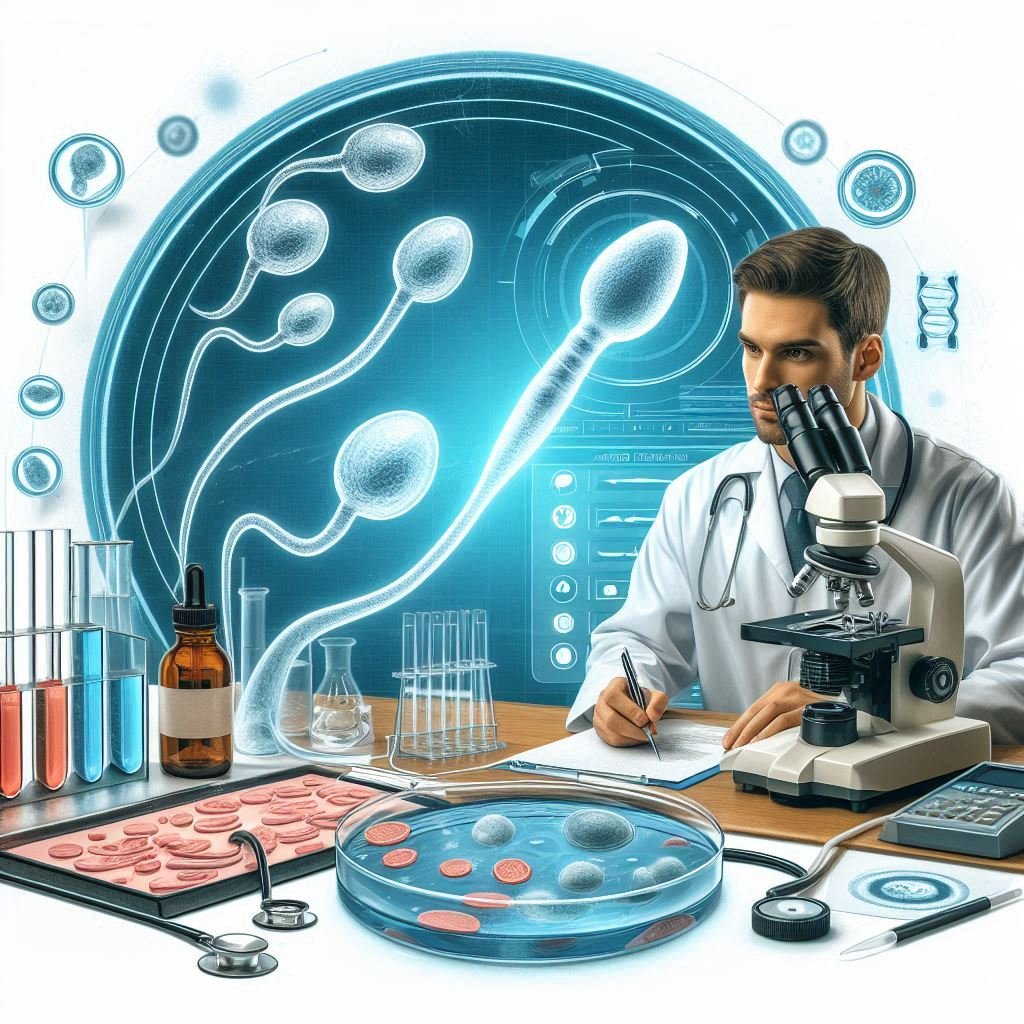
low sperm count diagnosis and assisted reproductive technology
The significance of Early Detection and Preemptive treatment
One of the components of managing low sperm count is early testing. The possibility of detecting the problem early will enable one to intervene in time and have a higher chance of a successful treatment.
Proactive health management entails regular check-ups, healthy lifestyle and seeking medical consultation when necessary. Through these measures, people would be able to solve the possible issues before they develop further.
It is also necessary to raise the awareness about male fertility. Stigmatization can be prevented by encouraging open conversations to raise awareness about reproductive health.
Prognosis and Prevention
The prognosis of the patients with low sperm count depends on the cause of the condition and the success of the treatment. Lifestyle modifications and medical treatment can result in substantial improvements, in most instances.
Preventive health is important in the reproductive health. Elimination of harmful substances, balanced diet, exercise and stress management will help to improve fertility outcomes.
Consistency is essential. It can take some time to achieve positive changes, but long-term benefits can be achieved by long-term efforts.
Conclusion
Low sperm count is a widespread disease, which may attack the fertility of males, but can be treated in most cases, with the correct strategy. Knowing its reasons, the necessity of its diagnosis, and natural and medical treatment possibilities are some of the essential steps that can help to improve the reproductive health.
Through lifestyle changes to healthier habits, proper nutrition and consulting with a medical expert when the need arises, one can increase their chances to conceive. Testing at an early age and proactive treatment also contribute to improved outcomes.
After all, low sperm count is not only a matter of fertility but also the health and well-being in general. Men can be in charge of their reproductive health and strive to attain their goals with the appropriate knowledge and dedication.