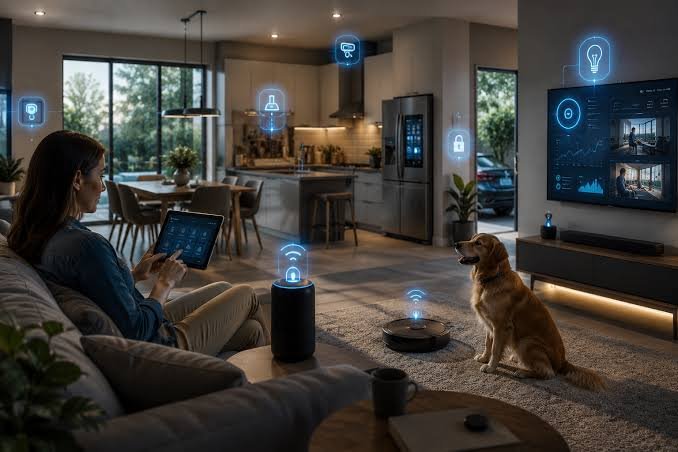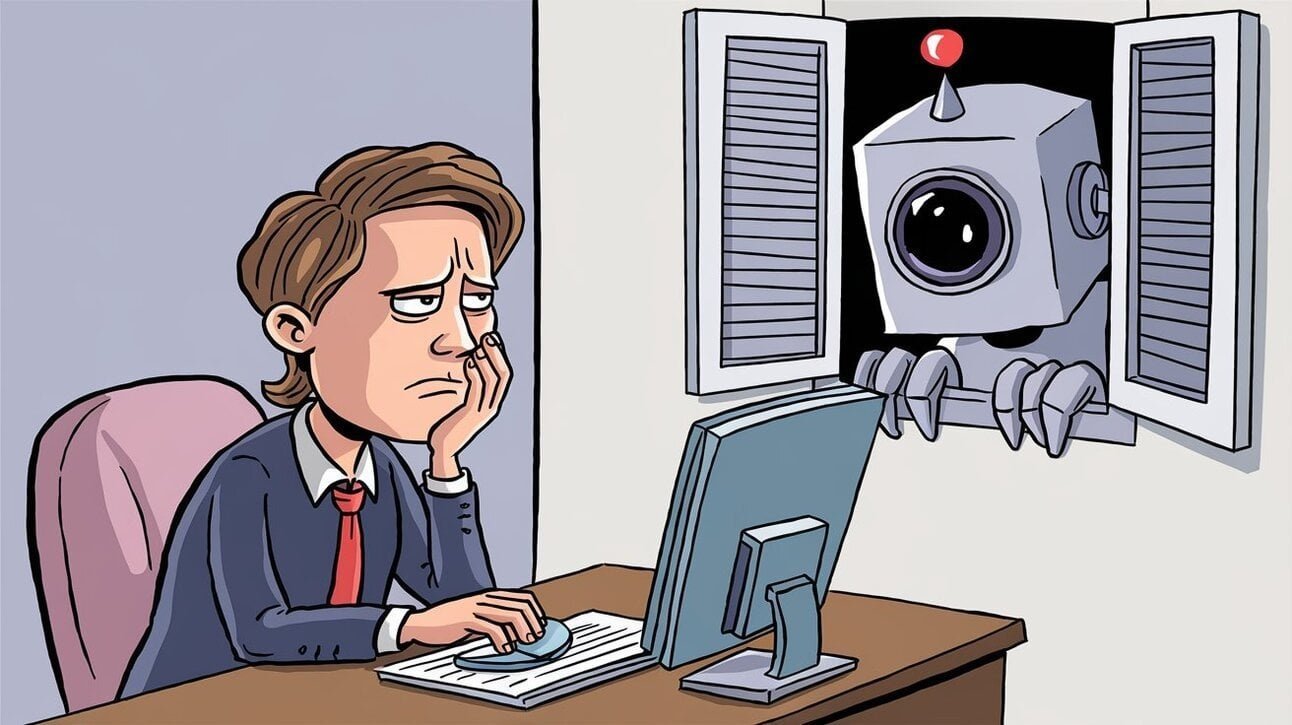
AI is changing the workplace fast.
Companies announce layoffs almost every week, leaving employees unsure about what’s next. People worry about job security and financial stability, often checking tools like an online severance pay calculator to see what they might be owed if their role disappears.
Amid all this uncertainty, some jobs stay safe. Machines can handle repetitive tasks, crunch numbers, and even write reports, but certain roles need human judgment, creativity, and emotional intelligence that no algorithm can copy. Knowing which careers AI cannot replace helps you make smarter choices about where to focus your skills and energy.
Let’s look at seven jobs that remain solid, why humans still dominate them, and what makes them hard for machines to take over.
1. Surgeon
Surgery demands hands-on skill and split-second decision-making. Robots assist with precision, but a surgeon makes critical choices in real time during ongoing procedures.
Unexpected complications or subtle differences in patient anatomy require expertise that machines cannot handle. Surgeons coordinate teams, manage risk, and adapt to situations in real-time. Hospitals continue to need human surgeons for complex procedures, emergency cases, and patient care.
Why this job is safe from AI
- Surgeons make real-time decisions during unpredictable situations.
- Human dexterity and tactile feedback cannot be fully replicated by machines.
- Coordinating with surgical teams and communicating with patients requires emotional and ethical judgment.
2. Psychologist
Therapy involves interpreting emotions, thought patterns, and behaviors. AI can provide mental health apps or suggest coping strategies, but it cannot form human connections or recognize nuanced emotional shifts.
In contrast, human psychologists build trust, ask probing questions, and guide patients through sensitive issues. Their ability to read tone, expression, and context ensures care stays personal and effective.
Why this job is safe from AI
- AI cannot interpret complex human emotions in context.
- Trust and rapport develop through genuine human interaction.
- Ethical and confidential judgment in therapy cannot be automated.
3. Teacher
Classrooms involve more than delivering information. Teachers notice when students struggle, tailor explanations, and encourage engagement.
AI tutors provide answers, but they cannot foster mentorship or create classroom culture. Human instructors, on the other hand, are able to adjust lessons, motivate learners, and respond to individual needs instantly. Education thrives when people guide learning, not machines.
Why this job is safe from AI
- Human teachers adapt to classroom dynamics in real-time.
- Personalized motivation and mentorship cannot be automated.
- Teachers model social skills and emotional intelligence for students.
4. Artist
Art depends on imagination and perspective. AI can replicate styles or generate images, but original creativity comes from human experiences, emotions, and culture.
Artists connect with audiences through storytelling, symbolism, and unique interpretations. Creative professionals produce work with intentional meaning, leaving machines to imitate instead of innovate.
Why this job is safe from AI
- AI cannot replicate genuine human imagination and experience.
- Cultural context and symbolism require human understanding.
- Artistic intent and personal expression cannot be coded.
5. Social Worker
Social work requires judgment, empathy, and advocacy. Professionals navigate complex family situations, community challenges, and ethical dilemmas.
AI can organize data or flag potential issues, but humans mediate conflicts, counsel clients, and make decisions based on circumstances that algorithms cannot understand, so agencies rely on social workers for sensitive and unpredictable cases that are not right up AI’s alley.
Why this job is safe from AI
- Social workers interpret complex human situations that lack clear rules.
- Empathy and ethical judgment guide decision-making.
- Conflict resolution and advocacy require human interaction.
6. Chef
Cooking in restaurants or high-end kitchens combines skill, intuition, and taste. Chefs adjust recipes, test new flavors, and respond to guest preferences.
Yes, machines can handle repetitive prep or mass production, but they cannot innovate dishes or manage the dining experience. Thus, culinary creativity, timing, and presentation remain distinctly human.
Why this job is safe from AI
- Recipe innovation relies on intuition and experimentation.
- Taste perception and immediate adjustments cannot be programmed.
- Presentation, ambiance, and guest experience require human oversight.
7. Lawyer
Law requires analysis, strategy, and negotiation. AI can draft documents or research case law efficiently. Employment lawyers, for instance, use tools like an online severance pay calculator to estimate entitlements.
Tough questions such as “how much is my severance pay” require accurate interpretation of contracts, company policies, and legal nuances. Apart from that, lawyers advise clients, mediate settlements, and tailor guidance to individual circumstances, which machines cannot replicate.
Why this job is safe from AI
- Legal strategy depends on human interpretation of complex rules.
- Negotiation and advocacy require personal communication skills.
- Understanding client needs, contracts, and circumstances exceeds algorithmic capability.
Final Thoughts
Roles that demand human judgment, creativity, and emotional intelligence resist automation. Careers in surgery, therapy, teaching, arts, social work, culinary arts, and law continue to thrive because people bring insight and decision-making that AI cannot match.
Professionals in these fields benefit from integrating technology to improve efficiency, but machines cannot replace the human touch.
So, if you’re entering the workforce soon or looking to switch careers, choose an AI-resistant job if you want a stable paycheck for the foreseeable future.