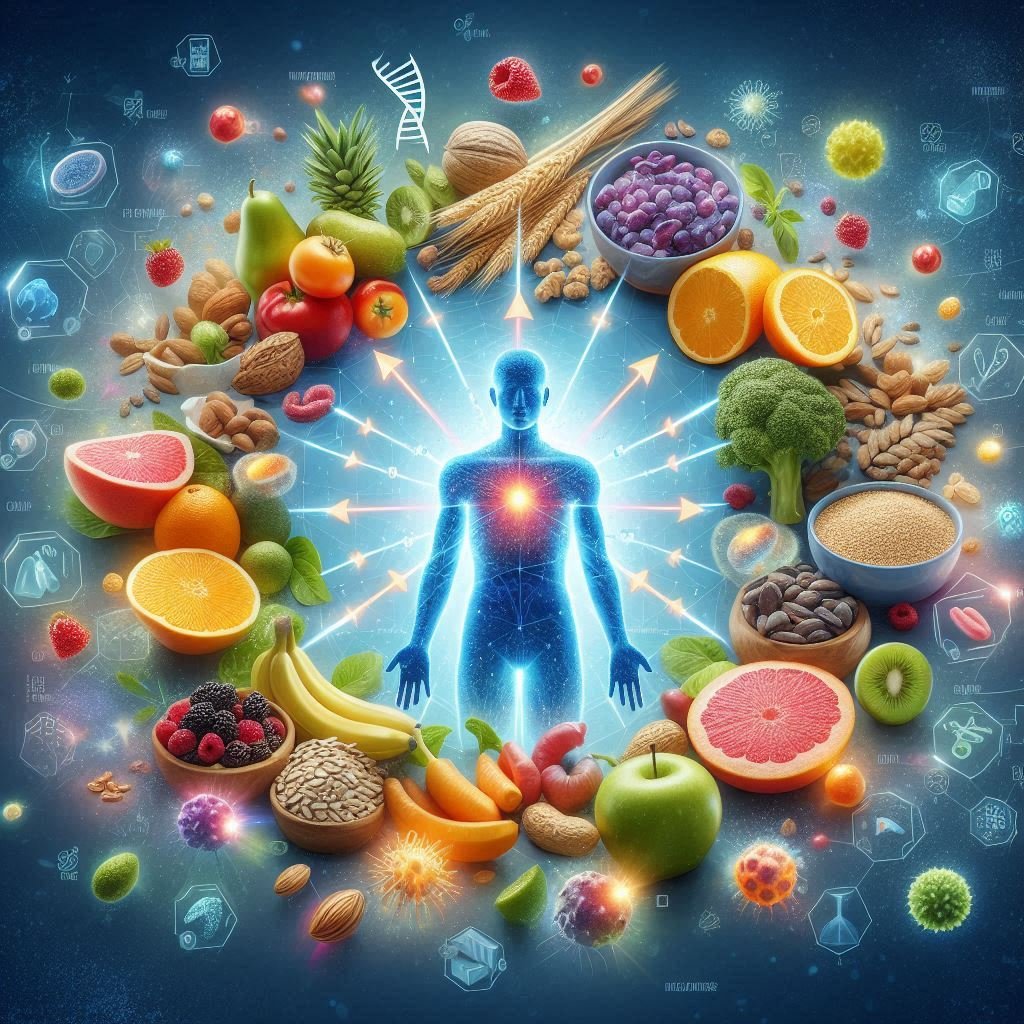
The human immune system is a complex which also is very coordinated group of elements that put up a protective barrier for the body against what it determines to be harmful foreign entities like bacteria, viruses, and other invaders. Although the immune system runs on auto pilot so to speak, its performance is very much a result of lifestyle which in large part is what we choose to put in our bodies. What we eat every day is the basic material out of which our immune defense is made. Out of improper nutrition comes weak immune response which in turn leaves the body more open to infection and illness.
Nutrition is very important to health of the immune system at which it supplies the key nutrients that in turn improve the output and function of immune cells. We see a range of vitamins, minerals, and antioxidants as the primary players which when present in the diet enable the body to better fight off disease. Also in terms of how we what to live healthy lives by learning the connection between what we eat and how our immune system performs we are better able to make choices which in turn promote over all health.
A healthy diet which includes a wide range of immune supportive foods is a great way to not only prevent illness but also to speed up recovery and support long term health. In this article we look at the role of food in immune health, which nutrients are key, and what foods to include for a better immune system.
Nutrition’s Role in Immunity
The immune system depends on a continuous input of nutrients for optimal performance. Each immune response uses energy and particular compounds which we get from food. When we provide the body with proper nutrition it is able to produce immune cells better, regulate inflammation, and maintain a balanced response to health threats.
Poor health from poor diet in turn can suppress the immune system. What we put into our body may be deficient in key nutrients which in return report to cause the production of fewer antibodies and the immune cells to work less efficiently. This in great measure increases our risk to infections and delay in recovery.
Nutrition in fact supports the health of physical barriers like the skin and mucous membranes which play a primary role in fighting off pathogens. These barriers depend on vitamins and minerals to stay strong and effective.
By way of healthful food choices which support the immune system’s structure and function, people may experience stronger and more flexible immunity.
The role of vitamins in immunity
Vitamins play a very important role in the health of our immune system. Each vitamin has a distinct function in supporting immune response and in protecting the body from infections.
- Vitamin C is a well known player in the field of immune health. It plays a role in the production of white blood cells which are key players in fighting infection. Also it functions as an antioxidant which in turn protects cells from the free radical damage.
- Vitamin D is a key player in the regulation of immune responses. It causes activation of immune cells and also sees to it that the immune system’s response to threats is proper. Also we see that which in turn has low levels of vitamin D do report higher rates of infection
- Vitamin A is for skin and mucous membrane health which in turn strengthens the body’s first line of defense. Also it plays a role in the development of immune cells.
- Vitamin E is a strong antioxidant that which protects immune cells from oxidative stress. Also it improves the function of immune cells which in turn better enables them to fight off infections.
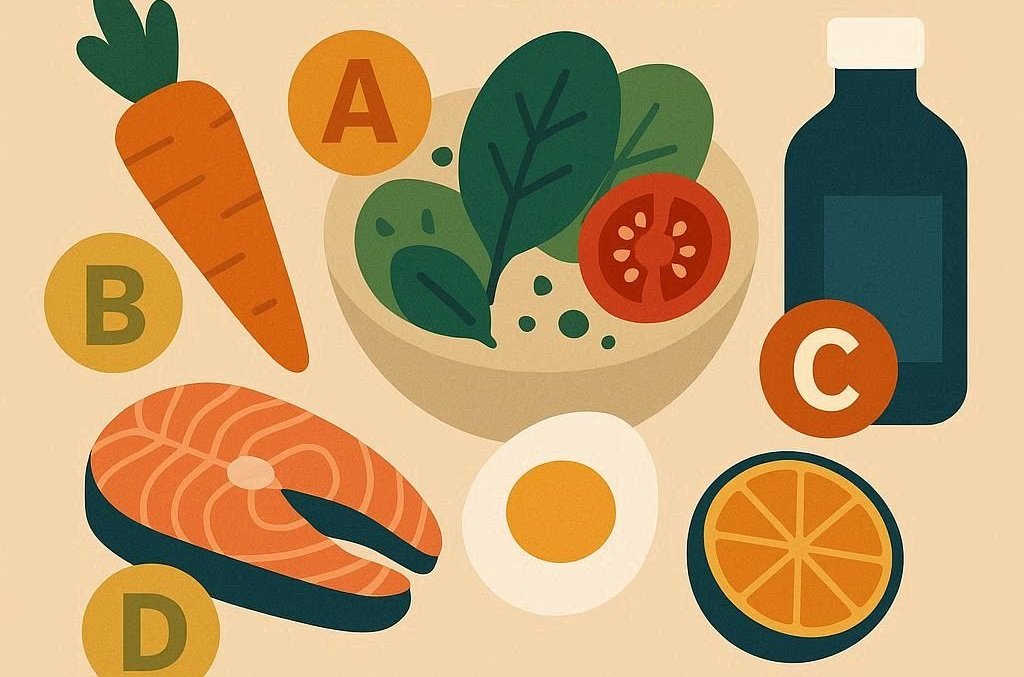
“Incorporation of those vitamins in your diet is key to strong immunity and health”.
Mineral role in immune health
Minerals also play the same role in support of the immune system. They are in charge of many processes such as the growth of immune cells and the regulation of immune response.
- Zinc is a key mineral for immune health. It plays a role in the production and activation of immune cells. Also zinc helps reduce inflammation and supports the healing process.
- Iron is a component in the production of red blood cells which in turn distribute oxygen through out the body. Also an adequate oxygen supply is key in supporting energy levels and immune function.
- Selenium is an antioxidant which also which plays a role in the repair of cells from damage. Also it is involved in what is the body’s response to infections
- Magnesium plays a role in overall immune health by way of it’s involvement in many biochemical processes in the body. Also it helps out in terms of regulating inflammation and maintaining proper immune function.
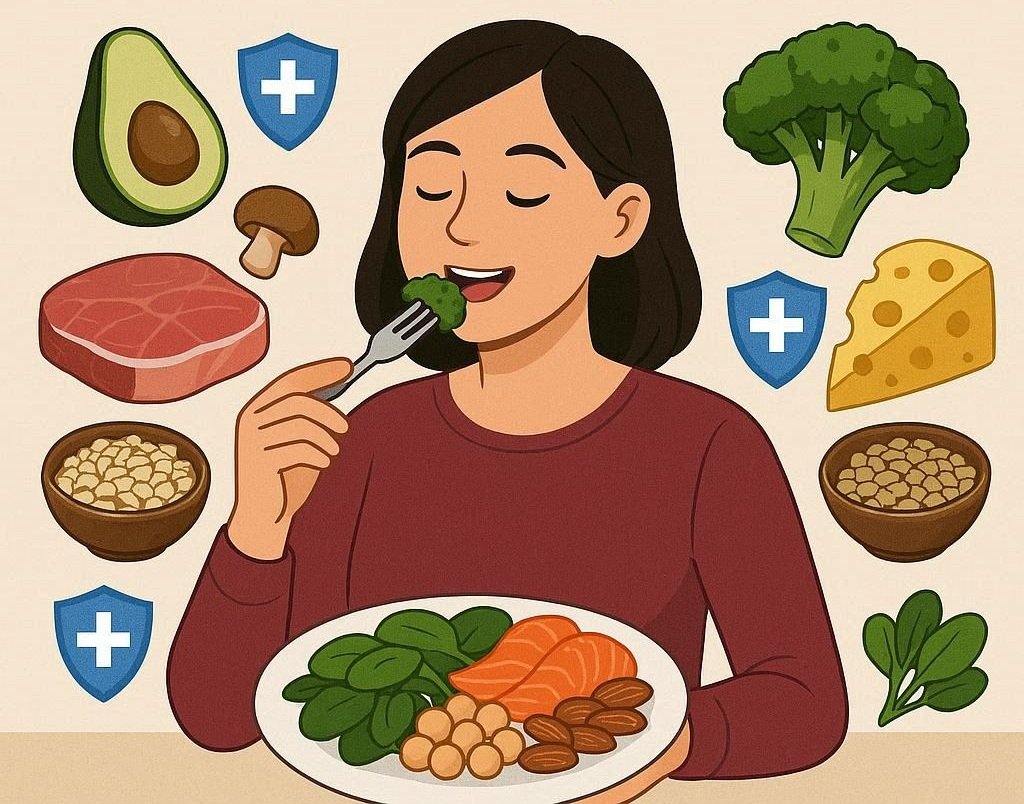
“Eating a variety of mineral rich foods which boost the immune system will see your body better able to maintain strong defense”.
The Importance of Antioxidants
Antioxidants are substances that protect the body against oxidative stress which is a cause of cell damage and weak immune system. They also put out free radicals which in turn causes damage.
- Oxidative stress which in turn affects the immune system and increases the risk of chronic diseases. Antioxidants play a role in the health of immune cells thus enabling them to function at their best.
- Fruits and vegetables are a great source of antioxidants. Also they have a variety of elements which work as a team to support immune health.
Including in your diet a variety of antioxidant rich foods which also happen to boost the immune system is key to protecting health and to support the body’s response to infection.
Immune-Boosting Foods for Better Health
A wide range of foods support immune health by providing basic nutrients. These should be a regular part of your diet for strong immunity.
- Citrus like oranges and lemons which we see a lot of are full of vitamin C and they also help to boost the immune system. Also we have leafy green veggies which pack in vitamins A, C and E as well as anti oxidants that in turn support health.
- Nuts and seeds are great sources of vitamin E and healthy fats which in turn support the immune system. As for fish, especially the fatty types, they contain omega 3 fatty acids which in large part help to reduce inflammation.
- Whole grains are a source of key nutrients which also supports gut health, that in turn is very much related to immunity. Yogurt and other fermented foods have good bacteria which promote a healthy gut environment.
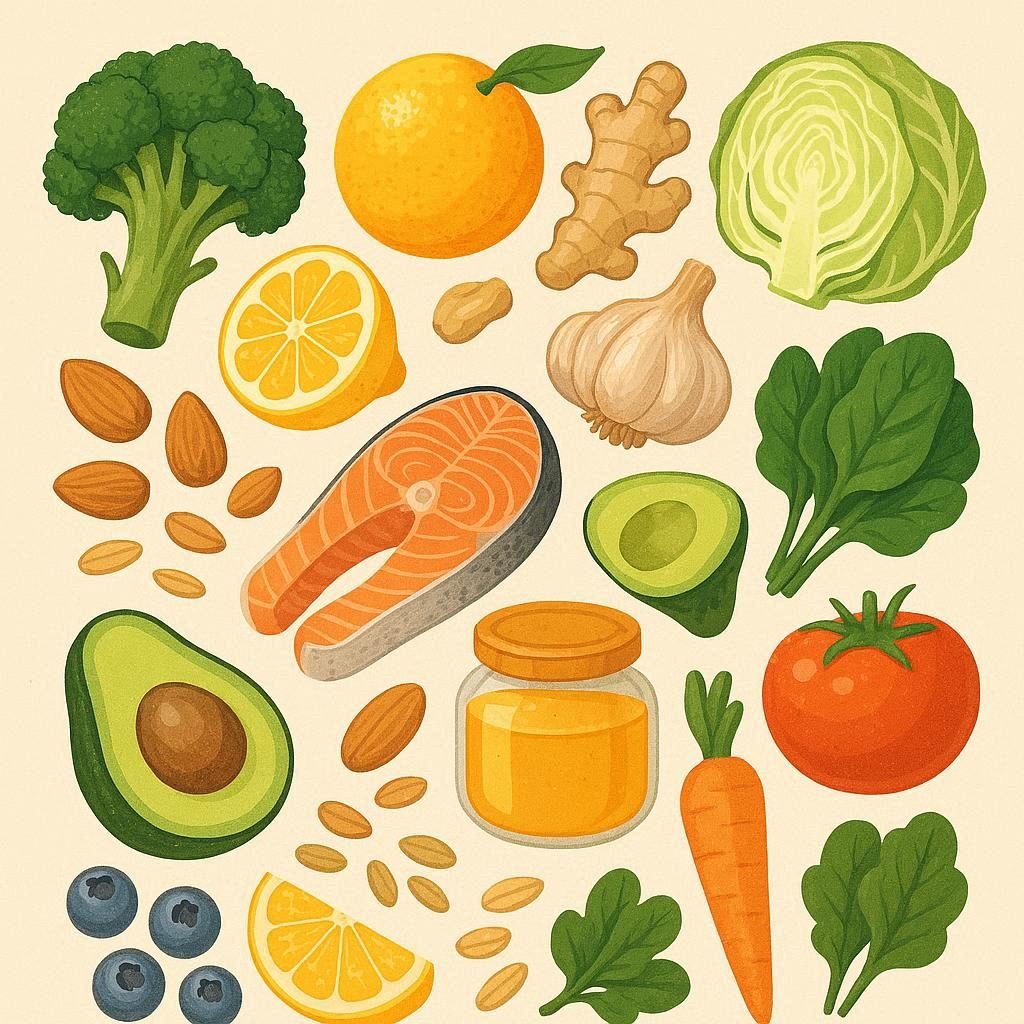
“Immune supportive foods which also include fruits, vegetables and healthy choices“.
By adding these immune supportive foods to your daily diet you can improve your body’s natural defense systems and health
The Dietary Role in Immune Health
In also to specific nutrients which we get from our food, what we as a whole put in to our bodies in terms of diet does in fact play a very large role in terms of what our immune systems are able to do. What we put into our bodies should be a well round assortment of nutrient rich foods that cover all the bases and thus allow the body to perform at a very high level.
Dietary habits which include lots of whole minimally processed foods are very beneficial. These types of diets provide a large spectrum of nutrients that work in concert to support the immune system.
On the other hand we see that which diets are heavy in processed foods, sugar, and unhealthy fats do in fact put strain on the immune system. These types of food increase inflammation and also dampen the body’s response to illness
Adoption of a healthy diet which includes immune supportive foods is key to long term health and resilience.
The Gut-Immune System Connection
The gut is at the core of immune health. In the digestive tract which is home to a large array of the immune system’s components we see interaction with beneficial bacteria
These bacteria play a role in modulating immune responses and also protect against pathogenic invasion. A balanced gut environment is that which fosters production of immune cells and in turn improves over all immunity.
Diet is a large part of health of your gut. In produce and whole grains we have high fiber foods that in turn encourage growth of good bacteria
Fermented products like yogurt and kefir which contain probiotics are a great addition to the diet. These immune supportive foods in turn improve the relationship between the gut and the immune system.
Hydration and Immune Function
Proper hydration is a often ignored issue but is very much a part of healthy immune function. Water plays a role in many body processes which include the delivery of nutrients and the elimination of waste.

Adequate fluid intake is what it takes to maintain the health of mucous membranes which serve as a defense against pathogens also it supports the circulation of immune cells in the body.
Practical Tips for Improving Nutrition
Improving your diet doesn’t have to be radical. Gradual and consistent changes will in fact greatly improve your immune health.
Focusing on whole foods, eating more fruits and vegetables, and cutting back on processed foods will improve your nutrient intake. Also by planning out your meals and maintaining a balanced diet you can see to it that your body gets the nutrients it needs.
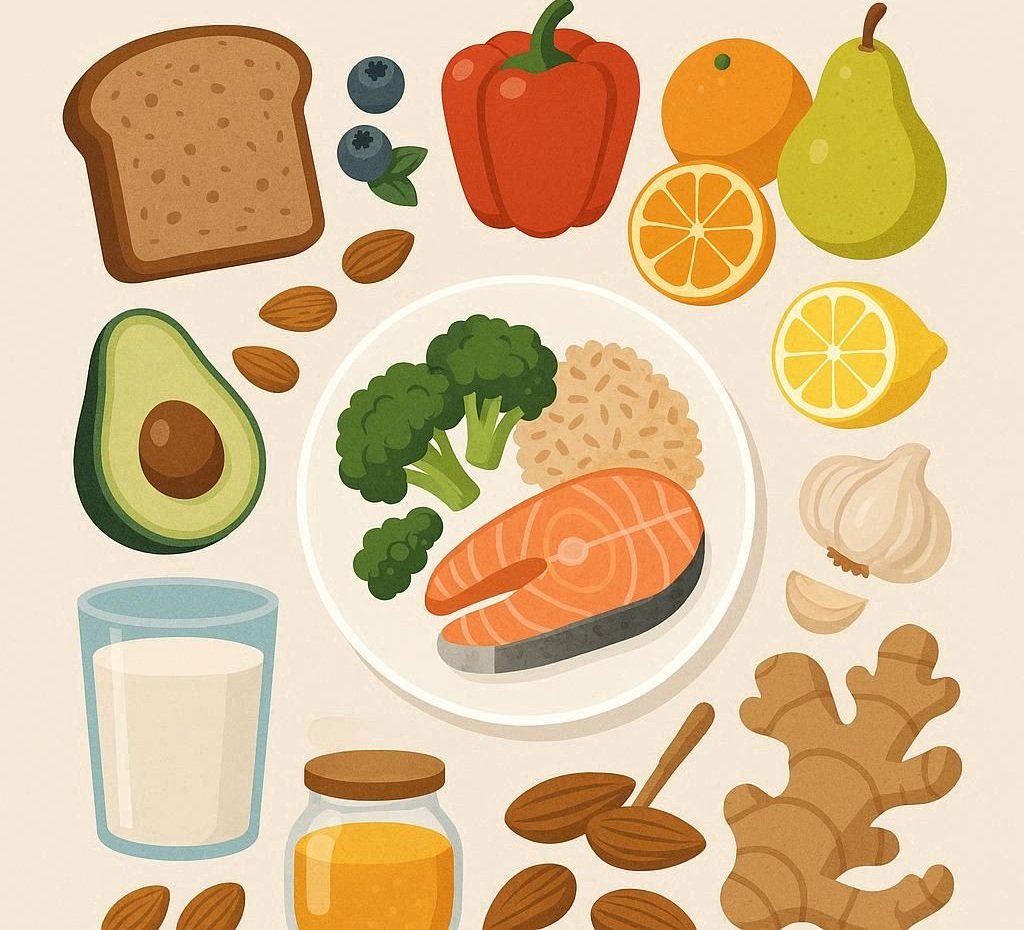
Consistency is the name of the game in nutrition. We see that regular intake of immune supportive foods improves health over the long term and strengthens the immune system.
Proper Nutrition’s Role in Long Term Health of the Immune System.
Proper nutrition is key to long term health of your immune system. A body that is well nourished does better at fighting infections, recovering from illness, and in general health.
Through time good nutrition plays a role in the development of immune memory which in turn causes the body to react better to pathogens we have been exposed to before. This in effect increases resilience and decreases illness risk.
Proper diet also supports other body systems which in turn creates a strong base for health
Conclusion
Nutrition is at the base of a strong immune health. Through the food we eat which includes vitamins, minerals and antioxidants the body is able to put up good defense against infections.
A healthy diet that includes immune supportive foods is the base for production and regulation of immune cells as well as for protection against oxidative stress. On the other hand poor diet puts the immune system at risk and increases illness chance.
Through adoption of healthy diet and smart food choices people are able to strengthen their immune system and improve over all quality of life. Right nutrition is about more than just disease prevention it is about building a robust body which is able to do well in any setting.