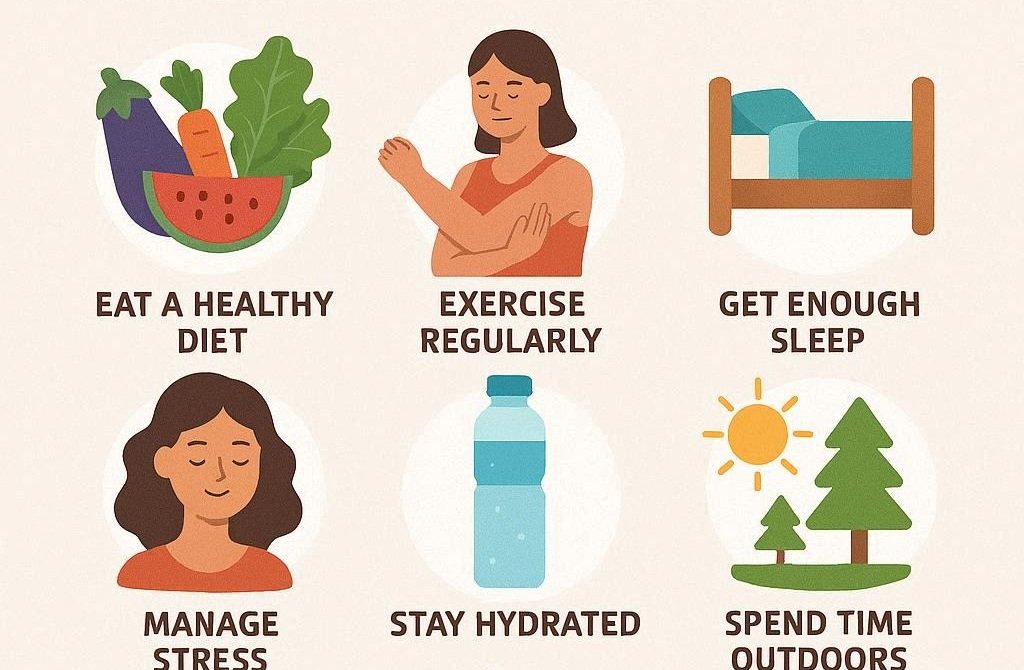
The immune system is what which the body uses to fight off infections, illnesses, and harmful pathogens. At all times it is at work to identify and do away with what is harmful to the body also in the process of restoring balance. Also it is not a static system what is seen out of it is that it is affected by what we do daily and our lifestyle choices. By living a natural and a consistent health routine people may see to have a stronger immune response which in turn will better health.
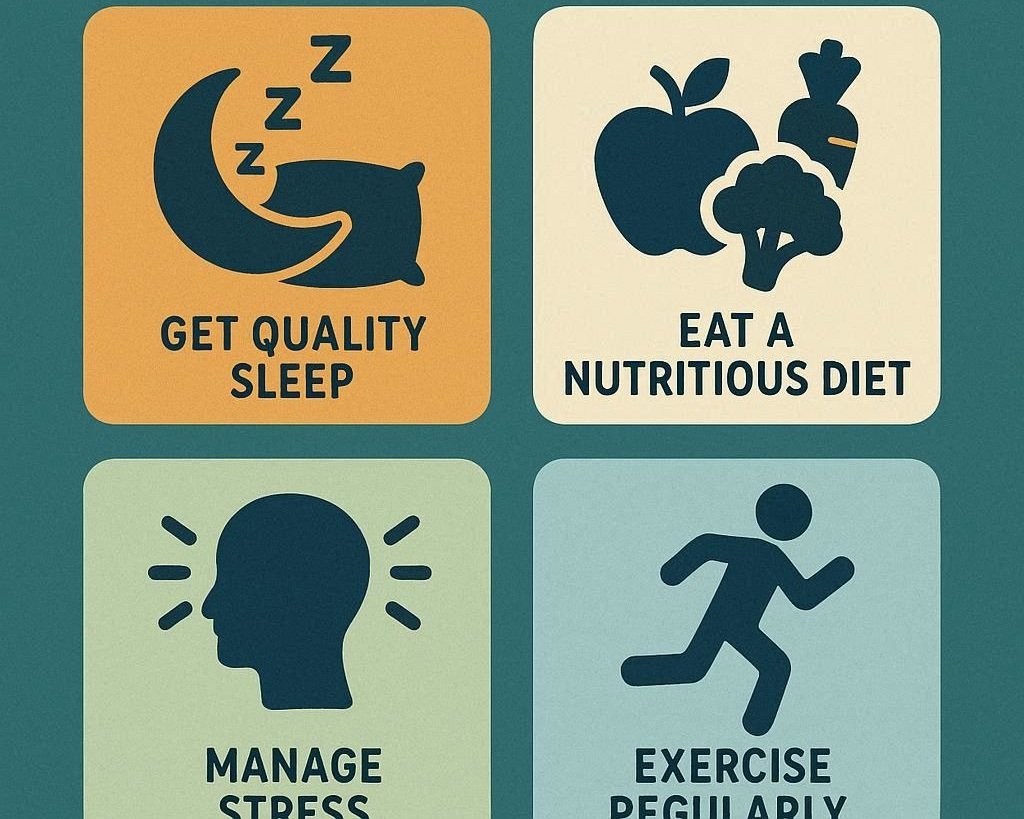
Boosting the immune system in natural ways is not about easy or short term fixes. Instead what we see are long term habits that support the body’s internal functions. These habits include eating well, regular exercise, getting quality sleep, and managing stress. When put together they create an environment which allows the immune system to perform at optimal levels.
Understanding what is behind these natural methods gives us into how we may promote health and prevent disease. In this article we look at practical and science based ways to support the immune system every day.
Understanding the Immune System
The immune is a very complex system of cells, tissues and organs which work as a team to protect the body. It identifies what is foreign to the body like bacteria, viruses, and toxins and in response it either neutralizes or removes them.
Innate immunity is what we see right away, as opposed to adaptive immunity which develops tailored responses and memory against certain pathogens
The immune system’s performance is a result of how well it communicates and coordinates responses. Healthier life choices are key to that performance.
Nutrition’s Role in Immune Health.
Proper diet is a key element in supporting the immune system. The body puts out best immune response when it is supplied with the right nutrients.
Vitamin C, vitamin D, and vitamin A are a group of vitamins that play a role in immune function by way of supporting cell activity and decreasing inflammation. Also, we see that elements like zinc and iron are very much so involved in the development and function of immune cells.
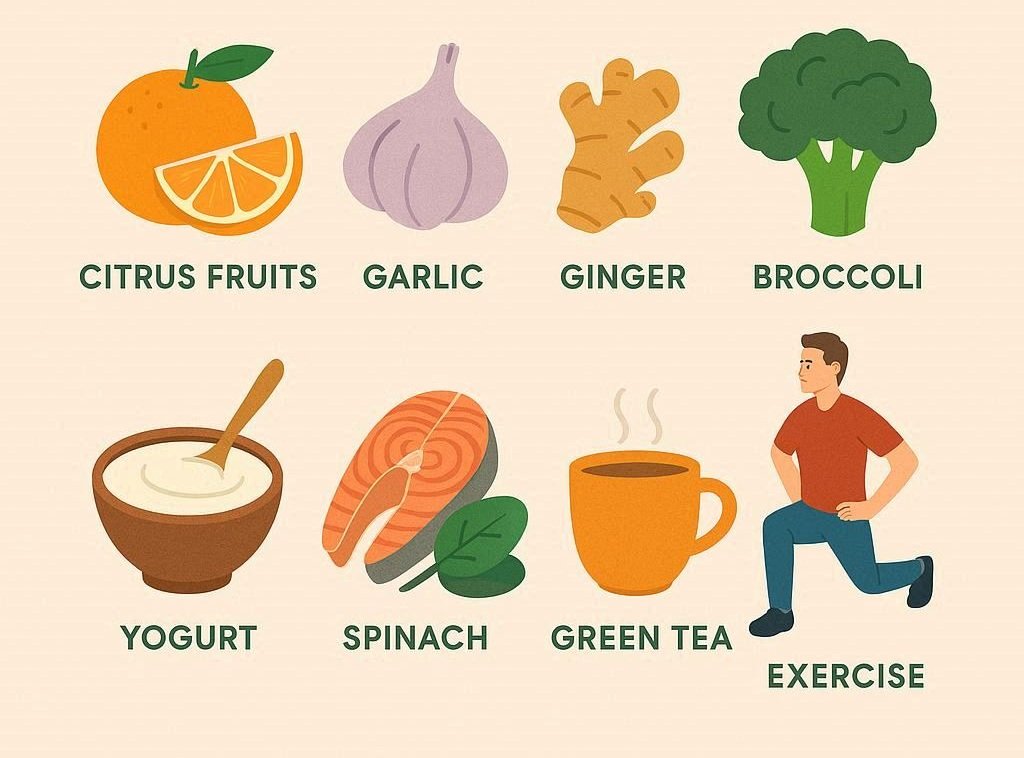
A proper diet which includes fruits, vegetables, whole grains, and lean proteins gives these nutrients. What we see in plants which are anti oxidants protect cells from free radical damage which in turn supports immune health.
Hydration is a key element which helps in the transfer of nutrients and elimination of waste from the body.
Physical Activity and Immune Function
Regular physical activity is a key player in the health of your immune system. Exercise improves circulation which in turn causes immune cells to move around the body more effectively.
Moderate physical activity has been found to improve immune response and decrease inflammation. Walking, jogging, or cycling among other activities are good for health and support the immune system.
Also it is important to note that we should maintain balance. Over doing it with the exercise and not having enough recovery may in fact have the reverse effect of what is intended and may temporarily weaken the immune system.
The Importance of Sleep
Sleep plays a key role in the health of our immune system. While we sleep the body goes through processes which support the production and action of immune cells.
Adequate sleep plays a role in the production of cytokines which are proteins that fuel immune responses. Also it allows the body to repair and regrow tissues which include those of the immune system.
Lack of sleep can also suppress the immune system at which point the body is a better host to illness. To improve health it’s important to have set times to sleep and also pay attention that they are enough hours of sleep daily.
Managing Stress for Better Immunity
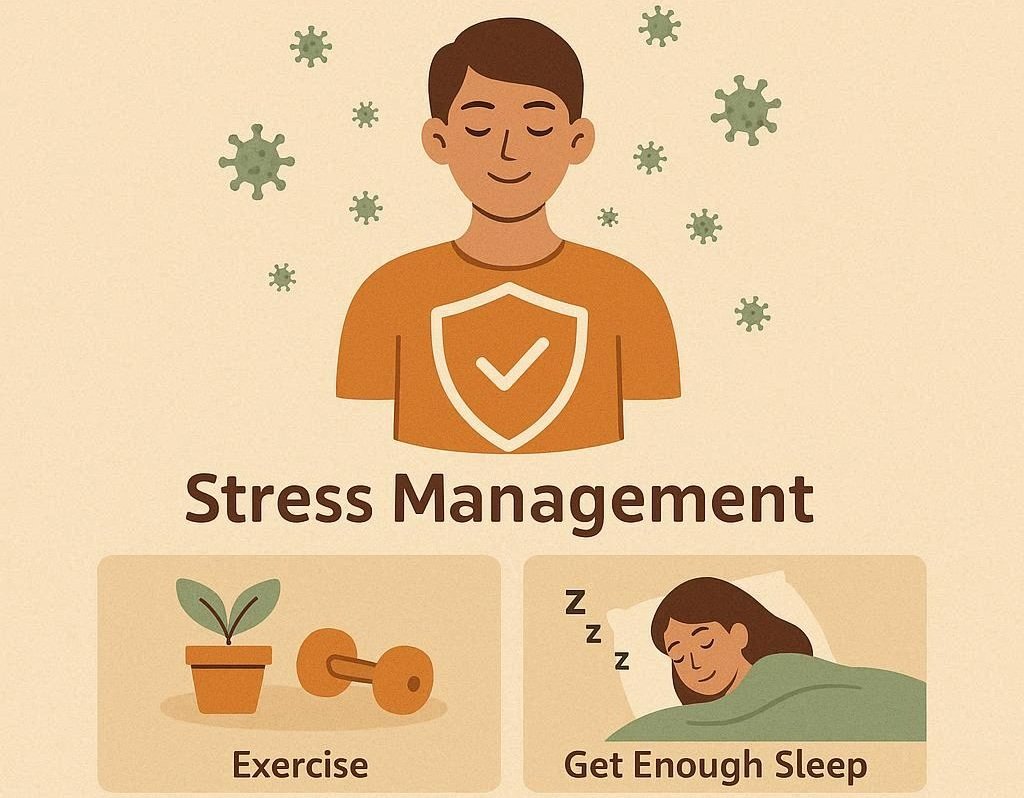
Stress is present in all our lives but chronic stress has health impacts on the immune system. When stressed for long periods the body releases hormones like cortisol which in turn suppresses immune responses.
Managing out stress is key to a healthy immune system. Also we see that which practices like deep breathing, meditation, and mindfulness help in reducing stress.
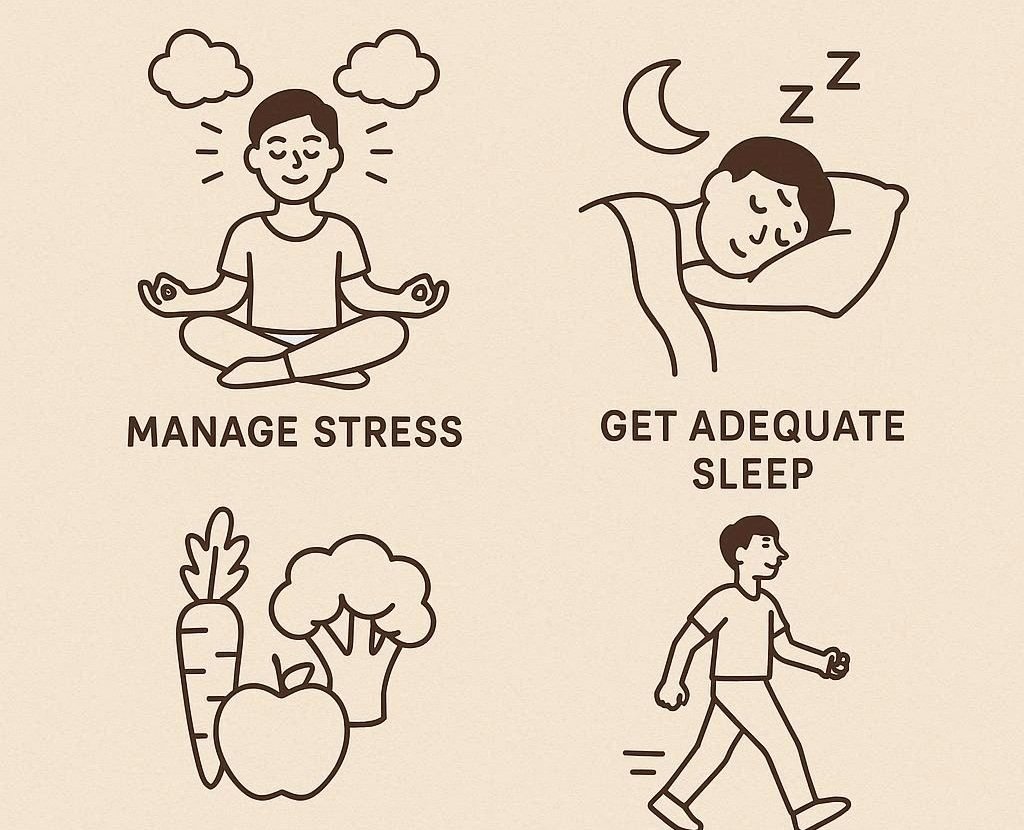
Participation in relaxing and health promoting activities also supports the immune system. By which is stressed out individuals may see an improvement in their body’s response to infection.
The Role of Hydration
Hydration is a often ignored aspect of health which in fact is very much a base for good immune health. Water plays a role in the proper function of many body processes which include the movement of immune cells and the elimination of waste.

Proper water intake is key to efficient delivery of nutrients to cells and removal of waste products from the body. Also it plays a role in the health of mucus membranes which act as barriers to pathogens.
Maintaining Healthy Habits
In also to what we put in our bodies, how we live our daily lives plays a role in our immune health. Out of the habit of which we should engage is that of avoiding harmful substances like tobacco and large amounts of alcohol which in turn helps to support a robust immune system.
Good hygiene that includes frequent hand washing is a way to stop the spread of infections. Also by keeping our environment clean we reduce our contact with harmful pathogens.
The Importance of Consistency
One out of the primary elements to improve the immune system naturally is consistency. While short term changes do report some benefits they are only temporary in nature, what is required are long term practices for better and lasting results.
Through the integration of healthful habits into daily life people may put in place a base which supports the immune system. This routine allows the body to adjust and achieve homeostasis over time.
Supporting Long-Term Immune Health
For long term health of your immune system a comprehensive approach is what you need which includes many elements. Nutrition, physical activity, sleep, stress management, and hydration are all players in your overal health.
These components work in unison to support the immune system, which in turn improves it’s ability to fight off infections. By paying attention to these areas individuals can improve their health and reduce the risk of illness.
For more information, visit: strategies for strengthening immunity.
Conclusion
The immune system is a key player in the defense against what which which is foreign to the body and also in the preservation of health. Though it is a natural process, it’s performance is affected by what we do daily and our lifestyle.
Natural which is to improve the immune system what works best is to adopt consistent practices like proper nutrition, regular exercise, getting enough sleep, stress management, and hydration. These habits in turn support the body’s internal functions and which in turn improve its response to infections.
Through use of these strategies people are able to take a pro active role in improving their immune health. Also this not only prevents illness but contributes to a healthier and more balanced lifestyle.