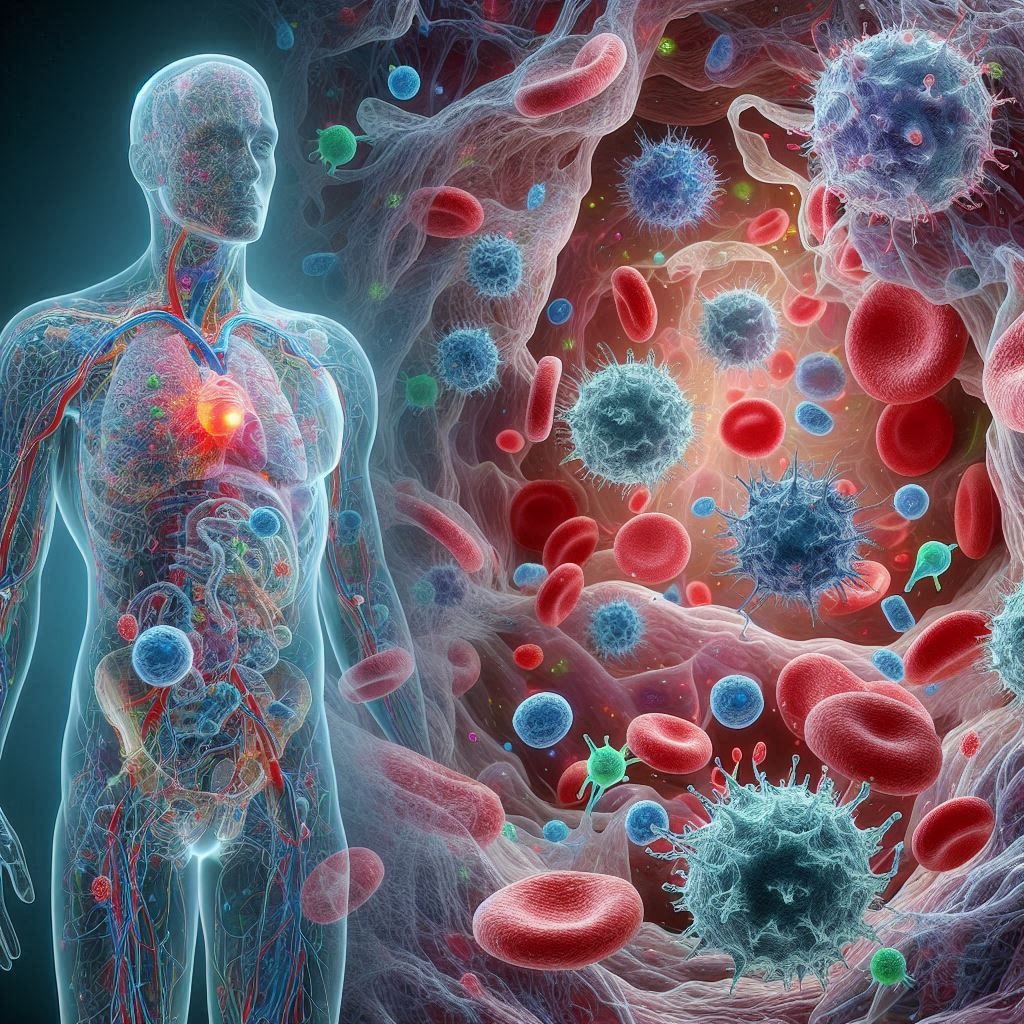
The human body is a host to a great diversity of microorganisms which includes bacteria and viruses as well as other what may be harmful entities. Although we are constantly in contact with these microorganisms the body has at its disposal a very complex defense system which we know as the immune system. This system is ever at work at to recognize, neutralize, and remove threats which in turn helps the body to stay healthy and at full functional capacity.
The immune system is a complex network of cells, tissues and organs which work together to protect the body. It tells between what is foreign to the body and which are the body’s own cells it responds in the right way to restore balance. To understand how this system works is key to see its role in health and disease prevention.
This article gives an in depth look at the immune system, it’s structure, actions, and role in health.
The Structure of the Immune System
The immune system which is made up of a variety of elements that work as a team to protect the body. These elements include specialized cells, organs, and tissues which play particular roles in immune response.
Key players in the immune system are the bone marrow, thymus, spleen, and lymph nodes. Bone marrow is in charge of producing immune cells and also the thymus which in turn plays a role in the development of some types of lymphocytes. The spleen and lymph nodes act as filters which trap what is harmful and at the same time serve as sites for immune response.
Immune cells which include white blood cells are at the core of the immune system’s function. They travel through out the body, they detect and respond to pathogens. The coordination between these elements puts forth an effective defense.
Types of Immunity
Innate and adaptive immune responses. Each of which has a separate role in the body’s defense.
- Innate Immunity
Innate immune system is what we see first in action. It puts up the initial fight against what enters the body in form of pathogens. Also it has physical barriers like the skin and mucous membranes which play the role of keeping out harmful elements.
Besides physical barriers innate immunity includes which present very quickly at signs of infection. These cells identify what is common in pathogens and right away begin the defense response.
- Adaptive Immunity
Adaptive immune system is a specialized one which develops over time. It presents response to certain pathogens and produces targeted reactions. This type of immunity which includes B and T cells plays a key role.
In the case of adaptive immunity what we see is a memory feature. What happens is the body is exposed to a pathogen which in turn the body notes for future reference which in turn allows for quicker and more effective responses upon re encounter.
How the Immune System Identifies Threats
The immune system’s key role is in telling which are the foreign invaders and which of the body’s cells are its own. This process is a complex one which enables immune cells to identify foreign substances.
Pathogens have distinct molecules which we call antigens. These antigens are recognized by immune cells which in turn trigger a response. Upon identification of the pathogen the immune system sets in motion processes to neutralize and remove the threat.
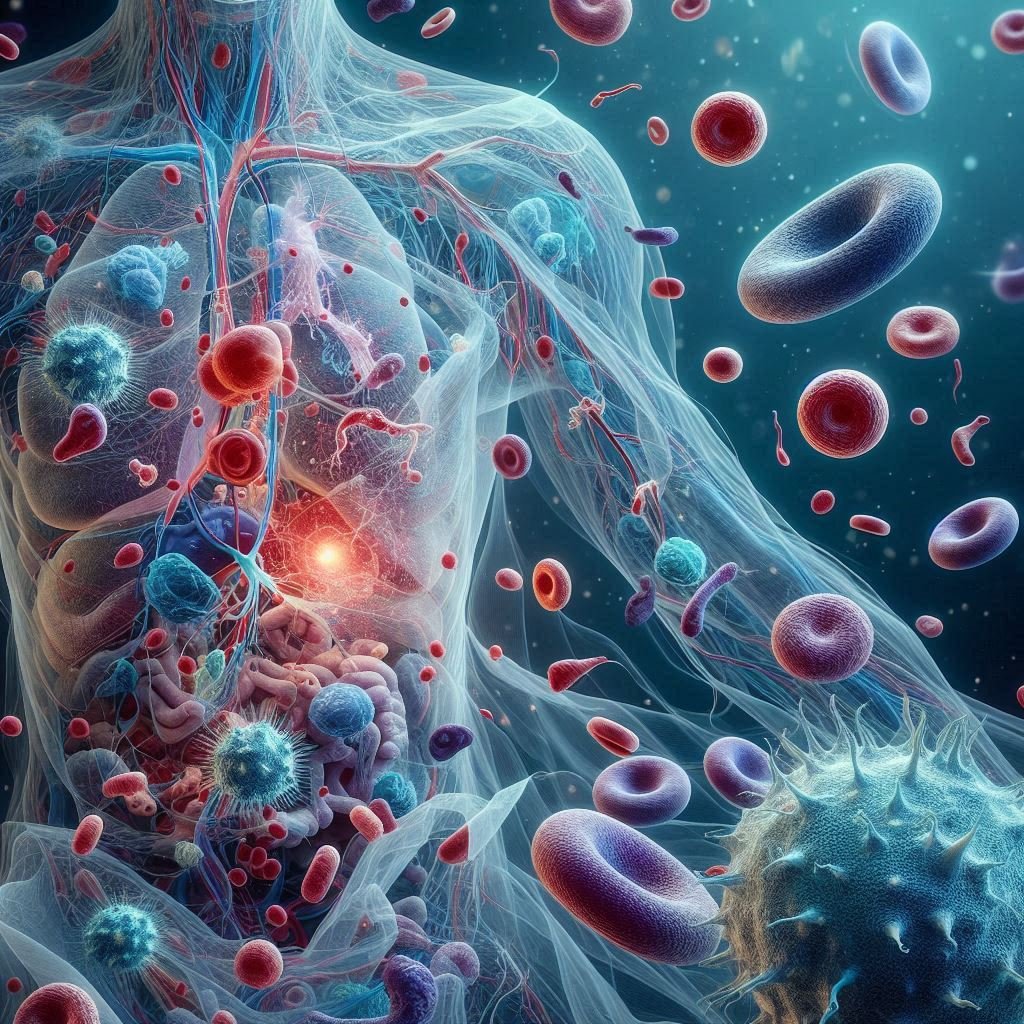
This recognition system also does that it respond well to infections but at the same time it will avoid damage to it’s own tissues.
The Immune Response Process
The immune system’s response is a series of events which play out when the body identifies a threat. This process goes through many stages which in turn work to eliminate pathogens.
At first immune cells recognize what is a pathogen and then alert the rest of the immune system. This causes activation of more immune cells and production of chemical signals which in turn amplify the response.
As it goes the immune system goes after and destroys the invading organisms. This may include production of antibodies which bind to pathogens and inactivate them.
Once the threat is past the immune system goes back to it’s routine function but still has a memory of the pathogen for better future protection.
The Role of Antibodies
Antibodies are specialized proteins that B cells put out as part of the adaptive immune response. They play a key role in the identification and neutralization of pathogens.
Each antibody targets a particular antigen. Upon binding to a pathogen, an antibody flags it for the rest of the immune system to destroy. This specific action improves the over all performance of the immune response.
Antibodies play a role in immune memory which in turn allows the body to have a faster response to pathogens we have been exposed to before.
Factors That Affect Immune System Function
The immune system’s performance is a variable which may be affected by many issues. Lifestyle and environment as well as health in general play into what we see in terms of immune function.
Poor diet which is void of basic nutrients required for cell production and function may weaken the immune system. Also in the case of sleep deficiency the immune response may be impaired and the body’s infection fighting abilities reduced.
Stress also plays a role in which may break down the immune system. Chronic stress is a factor which disrupts the immune balance and in turn causes it to respond less effectively to health threats.
Supporting a Healthy Immune System
Maintaining a robust immune system is a result of healthy practices that support it. Proper diet, regular exercise, and enough sleep are key to immune health.
A healthy diet which is rich in vitamins and minerals supports immune cell production and function. Exercise improves circulation which in turn causes the immune cells to do their job better.

Sleep is very important in terms of immune health which is when the body repairs and regrows cells. Also we see that which stress is managed via relaxation methods this helps to keep the immune system in check.
The Importance of Immune Memory
Immune response which is a hallmark of adaptive immunity. It enables the body to recall past pathogen attacks and in turn react more quickly the second time around.
This is the foundation of vaccination which puts into play a non harmful version of a pathogen to set off an immune response. In turn the body develops memory cells which protect against future infections.
Immune system’s memory improves its performance and plays a role in good long term health.
Immune System and Disease Prevention
A healthy immune system is a must for disease prevention. It not only wards off infections but also plays a role in the detection and removal of abnormal cells that may become a prelude to severe health issues.
By having a robust immune system individuals may see a reduction in illness and at the same time experience an improved quality of health. Also it is through measures like getting vaccinated and making healthy lifestyle choices which in turn supports immune health.
Conclusion
The immune system is a very complex and integral element of the human body which is in charge of fighting off what is harmful to us and at the same time works to maintain our health. It presents a combination of inborn and adaptive measures that at once give us instant defense and also longer term protection.
Study of the immune system also brings to light the role of healthy lifestyle choices in support of it. Which includes in that are proper nutrition, regular exercise, adequate sleep, and stress management all of which play a role in putting your immune response at it’s best.
By having a pro active role in your health which includes the immune system you may see an improvement in health and may enjoy a more robust and healthier life.