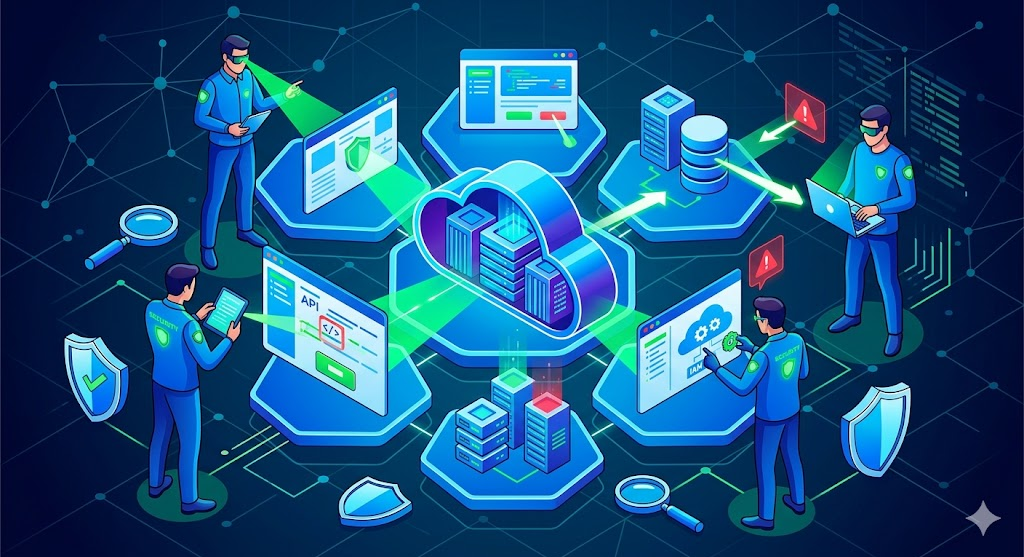
The emergence of cloud-based solutions has revolutionized how organizations function, making them more agile and efficient, but it has also introduced new security challenges that require proactive measures such as SaaS penetration testing. As a result of this change, the protection of sensitive information is more critical than before.
Breaking it down, SaaS penetration testing has become an important measure of protecting the cloud-hosted platform against cyber threats. Gaining insight into this process gives businesses a way to lower risk and uphold trust with their clients by identifying vulnerabilities before they can be exploited by malicious actors.
What is SaaS Penetration Testing?
SaaS penetration testing is the process of emulating attacks on cloud-hosted applications to find out their security vulnerabilities. Experts meticulously inspect the system for vulnerabilities that could potentially endanger data. It allows organizations to identify weaknesses ahead of threat actors and malefactors, thereby enabling them to implement necessary security measures and improve their overall security posture.
These tests enable businesses to learn how ready they are when it comes to security. Through penetration testing for the SaaS industry, organizations can simulate real attack scenarios, since identifying vulnerabilities early helps strengthen cloud application security and protect sensitive data.
Why SaaS Security Matters
As cloud environments are where sensitive information resides, they become prime targets for attackers. One data breach can ruin a reputation and cost a lot of money, potentially leading to loss of customer trust, legal penalties, and significant recovery expenses. By identifying vulnerabilities before attackers can exploit them, a proactive testing approach protects sensitive information and supports regulatory compliance. A solid security posture also helps assure customers and partners that their data is secure.
Importance of Penetration Testing for SaaS
Cloud-based companies benefit from effective penetration testing. By detecting vulnerabilities early, you can prevent incidents that might interrupt operations or damage trust. Conducting regular assessments allows teams to fix problems before they become significant. It has to be an ongoing process that will help with long-term stability and contribute to overall security.
Common Threats Facing Cloud-Based Platforms
Cybercriminals are always trying to take advantage of poorly implemented authentication methods and systems that are past their service lifetime. However, insecure interfaces and misconfigured permissions expose content to unauthorized users. Regular testing allows organizations to identify these risks so that the chances of successful attacks are reduced. Understanding this threat environment allows teams to effectively prioritize their security efforts, concentrating on the most critical vulnerabilities that attackers could exploit.
The Penetration Testing Process
There is usually a strict flow that SaaS penetration testing will follow. Initially, professionals collate information on the application to know how the app works. Then they evaluate the system for any known vulnerabilities as well as any possible risk factors. Controlled testing closely mimics real-world attack methods to expose gaps in security. And finally, experts deliver extensive reports with actionable recommendations for improvement.
Choosing the Right Testing Approach
As circumstances vary, so does the appropriate testing method to adopt. They ascertain the sensitivity of the data and the complexity of the organization’s applications. Some will need exhaustive tests that cover every possible facet of the platform, while others will focus on critical paths that are essential for the platform’s functionality and security. Having experienced testers verify will help get the needed results.
Ensuring Continuous Security Improvement
Security is not something you do once. The circumstances under which we review preventative measures should also change as the threats evolve. Regular penetration testing allows companies to respond to new risks and avoid being under-defended, ensuring that their security measures are always aligned with the evolving threat landscape.
Continuous training for staff reinforces a culture of vigilance that minimizes the chances of human error, which is crucial in maintaining the effectiveness of security measures and ensuring that employees are aware of the latest threats and best practices for prevention.
Responding to Findings
Following the testing process, teams receive comprehensive reports detailing the identified vulnerabilities and the necessary mitigation actions. Clear communication makes sure that the technical staff are aware of their responsibility for remediation. This makes it easier to prioritize fixes in order of severity and ensure resources are deployed appropriately. Keeping records of progress shows dedication to upholding a safe space.
Best Practices for SaaS Security
Security compliance has both a technical and an organizational part to it. This includes keeping software up-to-date, implementing strict authentication, and monitoring system events. This also facilitates early detection of potential issues and encourages employees to report suspicious behavior. By creating clear policies and procedures, everyone understands their part in helping to protect data.
Earning the Trust of Clients and Partners
Showing security commitment builds trust between clients and business partners alike. Sharing information regarding testing schedules and enhancements reassures stakeholders that their information is being protected appropriately.
Frequent updates about security protocols boost trust in continued business, as they demonstrate a proactive approach to safeguarding sensitive information and adapting to emerging threats, which is essential for maintaining strong relationships with clients and partners in an increasingly digital landscape.
Conclusion
SaaS penetration testing is essential for any business when it comes to cloud-hosted applications. Regular reviews enable organizations to identify and mitigate risks and proactively avoid loss, which is essential for maintaining the integrity of their cloud applications and ensuring compliance with industry regulations. When organizations prioritize security and adhere to security best practices, they cultivate resilience and develop trust that extends well beyond their immediate ecosystem of stakeholders.