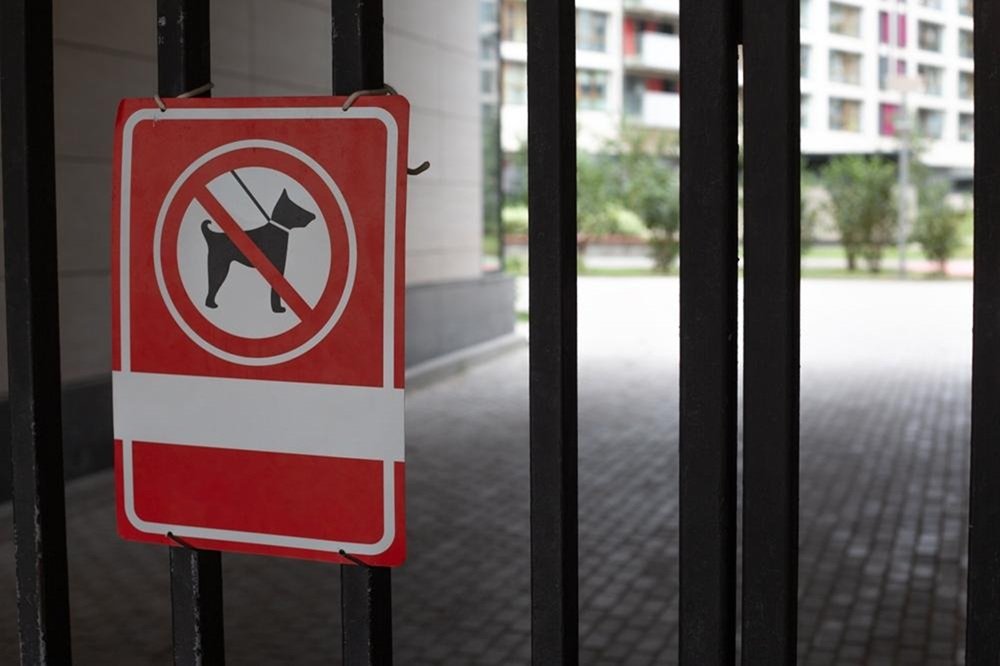
Aggressive behavior in dogs is more than a training issue. It can become a legal matter with serious consequences. Dangerous dog laws are designed to protect public safety by setting clear standards for responsible pet ownership.
These rules are part of a broader system of dog-related laws that explain how owners must control and manage their animals. Built on past incidents and court decisions, these laws outline what counts as a warning sign, what happens after an attack, and how legal responsibility is determined.
Understanding these basics helps both victims and pet owners respond properly and lawfully.
Recognizing the Early Warning Signs
Aggressive behavior in dogs usually comes with warning signs. Courts often look at whether the dog showed signs of danger before an incident. These may include repeated growling, snapping, lunging, or attempts to bite without a clear reason. Some dogs also guard food or space in ways that become unsafe.
Owners are expected to respond to these signs. If a dog has bitten someone before or has been declared dangerous, the owner’s responsibility increases. Judges may review complaints, reports, and witness statements to see if the risk was ignored. If reasonable steps like fencing or training were not taken, the case may be treated as negligence.
How the Law Defines a Dangerous Dog
Not every barking dog is considered dangerous under the law. Legal definitions are specific and usually require proof of aggressive behavior that threatens public safety. A dog may be declared dangerous if it has attacked someone without provocation, caused injury, or shown repeated aggressive conduct.
Once a dog is labeled as dangerous, strict rules usually follow. These rules are designed to prevent further harm and may include:
- Mandatory registration of the dog with local authorities.
- Secure confinement in a proper enclosure.
- Use of a leash and sometimes a muzzle in public spaces.
- Special insurance coverage is carried by the owner.
These measures are designed to protect the public after a risk has been identified, not to punish without cause. If an owner ignores these rules, penalties may include fines or removal of the dog. Once a dog is officially labeled dangerous, future incidents can result in stricter legal consequences.
Liability After a Dog Attack
Legal responsibility after a dog bite is not based only on how serious the injury is. It also depends on the legal rules that apply in that area. In many places, dog owners are strictly liable for injuries their pets cause. This means the injured person does not need to prove the owner acted carelessly. If the dog caused harm, the owner can be held responsible.
In other cases, the injured person must prove negligence. This involves showing that the owner failed to properly control the dog or ignored clear warning signs. Evidence such as medical records, photos, animal control reports, and witness statements can support the claim.
Compensation may include medical bills, lost wages, pain, emotional distress, and lasting effects like scarring or trauma. Legal action also highlights that owning a dog comes with clear duties and accountability.
The Process of Taking Legal Action
Legal action after a dog attack starts with collecting strong evidence. Seeking medical care right away is important for both health and proper records. Medical reports help connect the injury directly to the incident.
The next step is usually filing a claim against the dog owner. This often begins with the owner’s homeowner’s or renter’s insurance if it includes animal liability coverage. If the insurance company does not offer a fair settlement, the case may proceed to court.
In court, both sides present their evidence. The judge reviews the dog’s history, the owner’s safety measures, and whether the injured person played any role in the event. Decisions in these cases can impact insurance costs and, in serious situations, the dog’s future living arrangements.
Where Responsibility Truly Stands
Dangerous dog cases are not about turning neighbors into enemies. They are about accountability. The law does not expect perfection from pet owners, but it does expect reasonable care and attention. A secure yard, proper supervision, and timely response to aggressive behavior are basic duties.
For victims, understanding their rights can prevent silence and confusion after an attack. Many people are unsure whether they can take action, especially if the dog belongs to someone they know. Yet the purpose of dog-related laws is to create clear standards that protect everyone in the community.
Legal action is not simply a reaction to harm. It is a structured process that evaluates warning signs, owner behavior, and the extent of injury. Each step is connected, from the first growl to the final court decision.
Final Thoughts
An act of aggression can have lasting effects, but legal decisions are based on proof and responsibility, not emotion. Dangerous dog laws clearly define the limits of safe pet ownership and outline the consequences of preventable harm.
Knowing how warning signs, liability, and legal claims are handled brings direction during a difficult time. The system behind dog-related laws is designed to protect the public while holding owners accountable, offering clarity and structure after an incident.