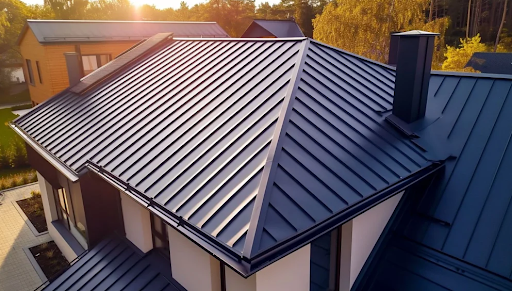
Something’s changing on building sites across the country. Walk through any new development and you’ll spot a material that stands out from the usual suspects. That distinctive surface catching the afternoon light isn’t what most people expect. Zinc cladding has arrived in Australian architecture, and it’s reshaping how we approach exterior design.
Exceptional Longevity
Most building materials deteriorate from the moment they’re installed. Zinc does something completely different. When moisture hits the surface, a chemical reaction begins. This creates a protective carbonate layer that acts as permanent armour against the elements. The patina isn’t decorative. It’s a functional shield that keeps building itself over time.
European buildings still wear their original zinc after centuries of exposure. Our climate is tougher in many ways. The principle remains the same though. That protective layer repairs microscopic damage automatically. No other common cladding material behaves like this. The surface actually strengthens as years pass.
Minimal Maintenance Requirements
Every building material eventually demands attention. Timber needs re-oiling. Render develops cracks that require patching. Even quality powder coating fades and needs replacement. Zinc cladding avoids this cycle completely. The patina is the finish. There’s no coating to fail or protective layer to maintain.
Rain does the cleaning work naturally. Dirt and pollutants wash away without intervention. Problems only emerge in sheltered spots where water can’t reach. Under deep eaves or behind downpipes, the patina develops unevenly. Even then, it’s purely visual. The structural integrity remains unaffected.
Environmental Credentials
Every manufacturer claims sustainability these days. Zinc’s credentials go beyond marketing promises. The metal can be recycled endlessly without losing quality. Today’s wall cladding becomes tomorrow’s roofing. Next decade, it might be guttering or flashing.
The production process reveals something interesting. Modern smelting operations recover sulphur dioxide as a byproduct. This gets sold to sulphuric acid manufacturers. Nothing goes to waste in the cycle. Australian recyclers now recover zinc from demolition sites. A genuine local circular economy has emerged where none existed before.
Design Versatility
Zinc bends and shapes in unexpected ways. You can create tight curves without specialised equipment. Standing seam profiles follow compound curves that would break stiffer materials. Some architects are designing facades where the metal appears to flow like fabric. The effect creates shadows and depth that shift throughout the day.
The material works beautifully alongside others. Modern mixed-material facades often feature zinc against timber or contrasting with brick. The neutral tone complements rather than competes. This versatility explains why zinc cladding appears in everything from minimalist beach houses to commercial towers.
Weather Resistance
Australian conditions test every building material relentlessly. Cyclonic winds batter the northern coast. Bushfire embers threaten regional properties. Salt spray corrodes coastal installations. UV radiation bleaches and degrades surfaces everywhere. Zinc handles this assault surprisingly well.
The patina actually thickens in harsh coastal environments. Extra protection develops exactly where it’s needed most. During bushfires, zinc won’t ignite or add fuel to the flames. Industrial areas with heavy air pollution don’t slow down the protective layer formation. That carbonate shield keeps building regardless of atmospheric conditions.
Thermal Performance
Metal cladding usually means heat problems. Zinc contradicts this expectation. The patina surface has high emissivity. It radiates absorbed heat quickly instead of conducting it inward. A properly designed cavity system behind the cladding makes a significant difference.
Architects now specify zinc on west-facing walls deliberately. It handles afternoon sun better than darker alternatives. The combination of reflective properties and correct installation details creates a facade that doesn’t cook the building interior despite being metal.
Aesthetic Evolution
Fresh zinc installation looks almost like pewter. The surface shines with metallic lustre. Within months, it shifts to matte grey. Over time, that distinctive blue-grey patina develops. Everyone recognises the look.
What most people don’t know is how location affects the final appearance. Coastal installations tend toward lighter tones. Urban environments create darker, more uniform finishes. Buildings develop unique characteristics tied to their specific microclimate. No two projects end up looking identical.
Conclusion
Australian architecture is embracing zinc cladding for practical reasons. Builders and architects are discovering what Europeans have understood for generations. The material solves genuine problems around maintenance, durability and design flexibility. It doesn’t create new issues in the process. Projects that have been standing for years show the performance gap between zinc and alternatives clearly. The buildings themselves provide the most convincing evidence. That’s not marketing language. It’s simply how the material performs in real-world conditions over extended periods.