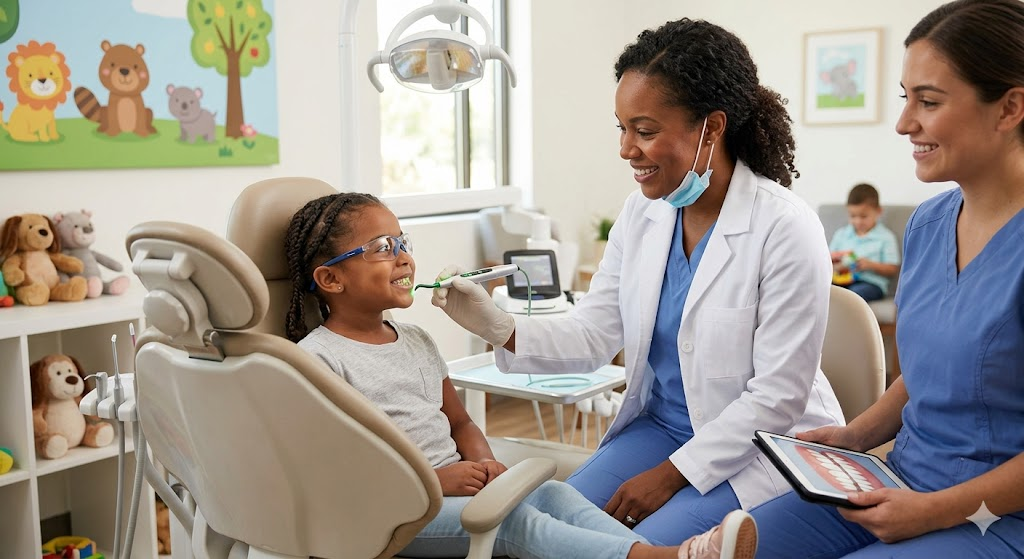
Soft tissue problems in a child’s mouth can cause pain, bleeding, and fear of the dentist. You want relief for your child that feels gentle and quick. Laser dentistry offers that. It uses focused light to treat tongue ties, lip ties, swollen gums, and small mouth sores with less bleeding and less need for stitches. Many children feel less stress, sit still longer, and recover faster. Parents often see less swelling and less need for pain medicine after treatment. For children with special needs, laser tools can reduce triggers that cause panic. This blog explains how lasers support safer soft tissue care, what you can expect during a visit, and how it compares to traditional tools. It also shows how children’s dental in Killeen Tx can use laser options to protect your child’s comfort, speech, and eating. You deserve clear answers before you say yes to treatment.
What Soft Tissue Problems Look Like In Children
Soft tissue includes the lips, cheeks, tongue, and gums. When these tissues pull, tear, or swell, your child may struggle with simple tasks.
You might notice three common signs.
- Feeding or chewing trouble because the tongue or lip feels tight
- Speech sounds that seem unclear or hard to form
- Gums that bleed, look red, or grow over the teeth
Untreated ties or swollen gums can affect growth, sleep, and school focus. Early care protects your child’s comfort and confidence.
How Laser Dentistry Works For Soft Tissue
Dental lasers use a narrow beam of light. The light reacts with water in the tissue and cuts or shapes it. Heat from the beam also seals tiny blood vessels and nerve endings.
This method helps in three main ways.
- Less bleeding because vessels seal right away
- Less swelling because nearby tissue stays cooler
- Less need for stitches because the wound edge closes as it is treated
Many children only need a small amount of numbing gel. Some need a simple shot of local anesthetic. General anesthesia is often not needed for short soft tissue work.
Benefits Of Laser Treatment For Tongue And Lip Ties
Tongue and lip ties happen when a tight band of tissue limits movement. A laser frenectomy releases this band.
For infants, this can improve three key needs.
- Latch during nursing or bottle feeding
- Weight gain and steady growth
- Comfort for both baby and parent during feeds
For older children, release can support speech therapy, chewing, and oral hygiene. When the tongue moves freely, your child can clear food from teeth and speak with more control.
Laser Care For Gums And Mouth Sores
Lasers also help with inflamed or overgrown gums and painful mouth sores.
Common uses include three types of care.
- Shaping extra gum tissue that traps food
- Cleaning inflamed gums around erupting teeth
- Drying small sores so they heal faster
Because the laser disinfects the treated spot, the risk of infection can drop. That means fewer follow-up visits for the same problem.
Laser Versus Traditional Tools
Traditional soft tissue treatment uses a scalpel and sometimes scissors. Many children see these tools and feel fear. A laser looks and sounds different. The tip is small and often does not touch the tissue for long.
The table below compares common features.
| Feature | Traditional Scalpel | Dental Laser |
|---|---|---|
| Bleeding during treatment | Moderate to heavy | Light because vessels seal |
| Need for stitches | Often needed | Often not needed |
| Length of procedure | Longer in many cases | Shorter in many cases |
| Post treatment soreness | Higher for many children | Lower for many children |
| Child’s movement tolerance | Needs very still body | Often easier with mild movement |
| Risk of tissue tearing | Higher if child jerks | Lower because tip is small |
This comparison does not replace advice from your child’s dentist. It helps you frame questions and weigh options.
What Your Child Can Expect During A Visit
Most laser soft tissue visits follow three steps.
- Assessment and simple exam of the ties, gums, or sores
- Numbing with gel or local anesthetic and a child-friendly explanation
- Laser treatment followed by short observation and home care review
Your child and the dental team wear special glasses for eye safety. Many children watch a show, hold a toy, or listen to music during the short procedure.
After treatment, your child might feel mild soreness. Clear fluids, soft foods, and over-the-counter pain relief often help. Your dentist will give exact instructions for stretching or cleaning the treated spot.
Safety, Research, And Standards
Parents often ask if dental lasers are safe for children. When trained dentists use approved devices, laser treatment follows strict safety rules.
The Centers for Disease Control and Prevention explains that oral health affects eating, speaking, and learning. Safe treatments that reduce pain and infection help protect these needs.
Your dentist should explain training, device type, and steps taken to protect your child’s eyes, skin, and lungs. You have the right to ask these questions before consent.
How To Decide If Laser Treatment Is Right For Your Child
Every child is different. Laser care may fit well when your child has three needs.
- Strong fear of shots, stitches, or long visits
- Special needs that make traditional tools hard to use
- Soft tissue problems that affect feeding, speech, or daily comfort
You can bring your questions, a list of your child’s medicines, and any reports from speech or feeding therapists. A clear plan will include the reason for treatment, the steps, and the expected healing time.
Moving Forward With Confidence
Soft tissue problems do not have to control your child’s life. Laser dentistry offers a cleaner path with less blood, less swelling, and less fear. You gain more control when you understand how it works, how it differs from traditional tools, and what to expect at each step.
You can ask your dentist if laser options are available and safe for your child’s needs. With clear information and a calm plan, you can choose treatment that protects your child’s comfort, speech, and growth.