In a world where convenience is the key to technology, the right wireless charger may change the way you charge your device. Most users have been in a hurry to purchase a wireless charger without knowing what actually counts which more often or not results in low charging rates or lack of compatibility. Having years of experience in watching the trends of technology and trying charging accessories, I have come to understand that it is not the price that decides the right charger to choose. It is concerning aligning the needs of your smartphone with performance, safety and durability.
Understanding Wireless Charging Technology
Wireless charging is based on electric magnetic induction. A charging pad will transfer energy to your smartphone provided that both the devices have compatible coils. The Qi standard is used by most of the modern smartphones and is cross-brand compatible.
Such reputable brands as Anker pay much attention to enhancing efficiency and safety in this standard. This guarantees performance stability in charging, less heat generation, and extended battery life. When you shop wireless chargers from a manufacturer you trust, you are investing in reliability and long term device protection rather than mere convenience.
Confirm Smartphone Compatibility
Ensure that your smartphone is compatible with Qi wireless charging before you go out to buy wireless chargers. This feature is available on many flagship Android phones and more recent iPhones, but it may not be available on some entry-level phones.
You should also make sure that your phone can support a high wireless charging speed. There are 7.5W charging devices, 10W or 15W. Purchasing a charger that has a larger wattage than the phone is powered by will not always make it charge faster. Rather it can just work to its full capacity on your device.
In case you use a phone case, make sure it is not excessive or metallic. Cases that are heavy-duty may disrupt the charging performance and cause reduced power transfer.
Evaluate Charging Speed and Power Output
The speed of charging is significant in the satisfaction of users. An average 5W wireless charger will work in the case of overnight charging. Nevertheless, when you use your phone extensively during the day, a faster wireless charger of 10W or 15W charge is more convenient.
Remember that the speed of charging is determined by three parts: the charging pad, the wall adapter and the phone itself. The adapter is something that is not paid attention to by many users. Even a fast-certified wireless charger will be slow in operation, when the adapter does not supply enough power.
Personally, I have been able to test the combination of a high-output adapter and a fast wireless charger and have found that the combination makes the charging time much shorter. This arrangement can be particularly beneficial to busy people or students who want to have a quick battery charge between activities.
Choose a Design That Matches Your Lifestyle
There are various designs of wireless chargers, and the design should depend on your daily routine.
Flat charging pads are small and can be used on the bedside. They are not complex and tend to be cheaper. You can not easily check notifications when your phone is flat though.
Stand-style chargers can be used to watch your screen as you charge. It is a great design that suits office desks or video calls because the display is visible.
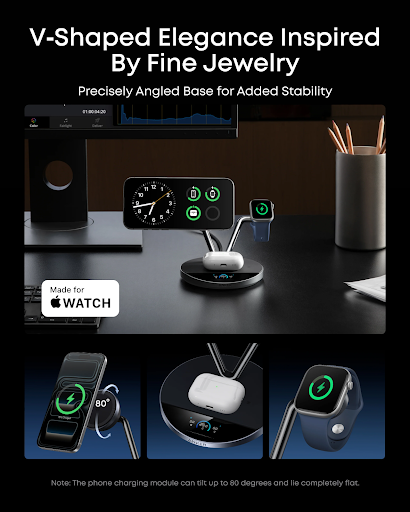
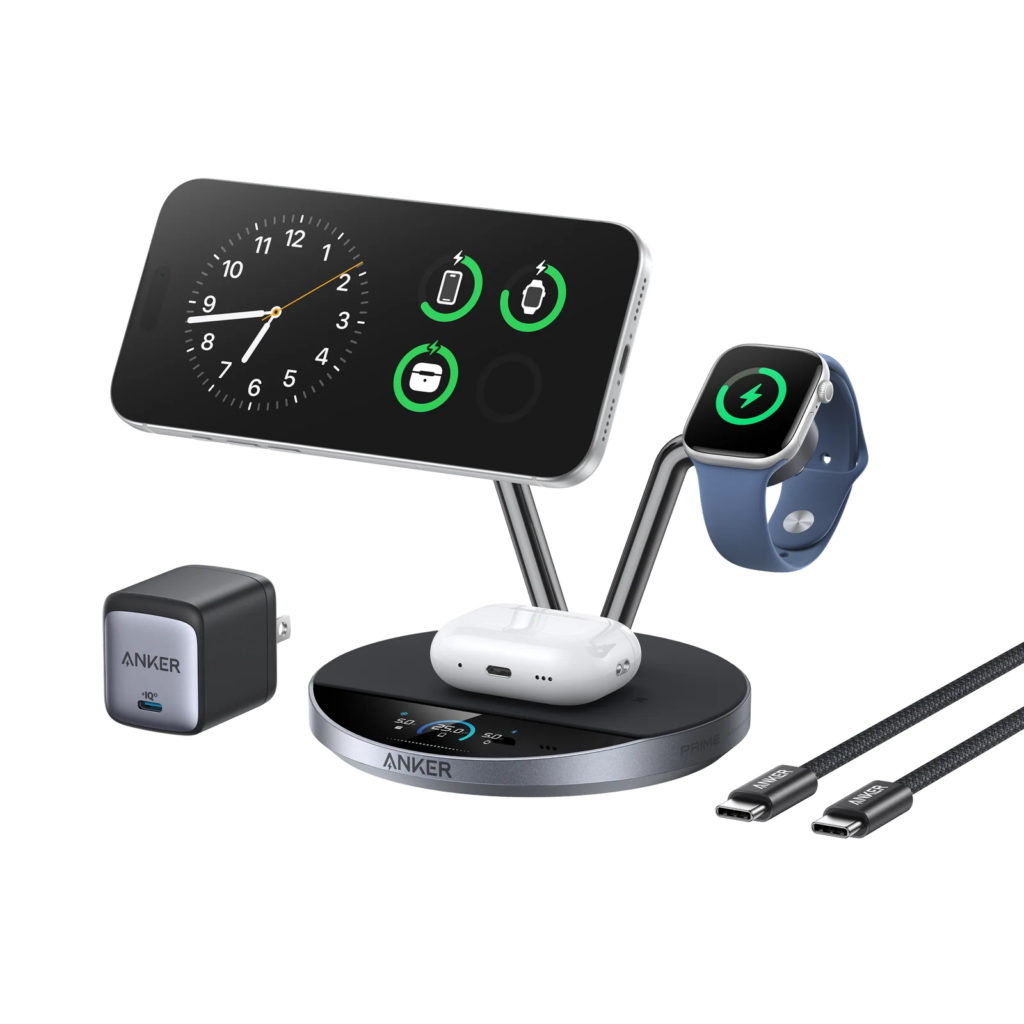
Multi-device charging stations will be appropriate among consumers who have wireless earbuds or smartwatches. The models make the workspace cleaner by reducing clutter of cables.
When you are buying wireless chargers, consider the place where you will be putting them and how frequently you will be using them. An intelligent decision guarantees convenience and functionality.
Prioritize Safety Features
The power accessories should not be handled at the expense of safety. A good wireless charger has temperature, surge, overvoltage and foreign object detectors.
The features will eliminate overheating and ensure that your smartphone battery is not damaged over time. Certified chargers will also automatically cease to power the device when it is fully charged.
Chargers of low cost and brand name might not have these protections. Although they may seem affordable, they may reduce the battery life and be unsafe. The certified wireless charger is a good investment that keeps your gadget and your sanity safe.
Compare Build Quality and Durability
The quality of the building has a direct effect on the performance and the life span. High-quality wireless chargers are usually coated with anti-slip material, made of aluminum to conduct heat, and have strengthened cables.
Of particular importance is heat management. Too much heat may harm battery performance in the long run and gradually reduce its lifespan. An efficient charger will distribute heat effectively and continue working without temperature fluctuations, even during extended use. When you shop wireless chargers, choosing models with advanced heat control technology ensures safer charging and better long term device protection.
Warranty coverage should also be noted. Trustworthy brands tend to offer warranties which are indicative of trust in the durability of the product.
Balance Price and Long-Term Value
Price must be associated with value and not merely being affordable. Very cheap wireless chargers can save money in the short run but in many cases, they tend to compromise on safety and performance.
Rather than focusing only on the price, consider the charging speed, safety certifications, material quality, and brand reputation. When you shop wireless chargers, prioritizing these factors ensures better efficiency and dependable performance. Paying slightly more for a reliable charger is a smart investment, as it delivers consistent charging, enhanced safety, and a longer device lifespan.
Lightweight and portable models are also more convenient to frequent travelers. A more practical example can be a stable stand model to be used either at home or office.
Conclusion
It is not enough to find the cheapest wireless charger online because choosing the one that truly suits your needs is what matters most. When you shop wireless chargers, focus on compatibility, charging speed, safety features, design preferences, and overall build quality. Understanding these factors allows you to make a confident and informed decision rather than simply opting for the lowest price.
By making a well considered purchase, you ensure efficient performance, longer battery life, and everyday convenience. A carefully selected wireless charger helps eliminate cable clutter, enhances productivity, and supports your smartphone’s performance without compromise.
FAQs
How do I know whether my phone is wireless charged?
This can be checked by reading your official specifications or user manual of your phone. Most wireless chargers will be compatible with it in case it is Qi-compatible.
Does wireless charging shorten the battery life?
No, not with a certified wireless charger of good temperature and safety measures. Contemporary devices are made to be able to charge automatically.
Why does my wireless charger keep charging and discharging?
This may occur as a result of misalignment, incompatible cases or lack of power by the wall adapter. The problem is normally solved by ensuring proper placement and a correct adapter.
Is it safe to charge smartphones with fast wireless charging?
Yes, the existence of fast wireless charging is safe provided that it is supported by your device and provided by a certified charger with higher wattage delivery.



For the reason that the admin of this site is working, no uncertainty very quickly it will be renowned, due to its quality contents.