We see eye bags as one of the earliest and most stubborn signs of facial fatigue and aging. They change how the entire face is perceived, often making even well-rested individuals appear exhausted or unwell. In clinical practice, eye bag removal is approached as a precision-driven process that blends anatomy, technology, and aesthetic judgment.
Understanding the True Cause of Eye Bags
We begin every successful treatment by identifying the root cause of under-eye bags. These may develop due to herniated orbital fat, fluid retention, skin laxity, weakened supporting ligaments, or a combination of all four. Treating surface symptoms alone rarely delivers lasting results, which is why medical-grade evaluation is essential for meaningful improvement.
Medical Evaluation before Eye Bag Removal
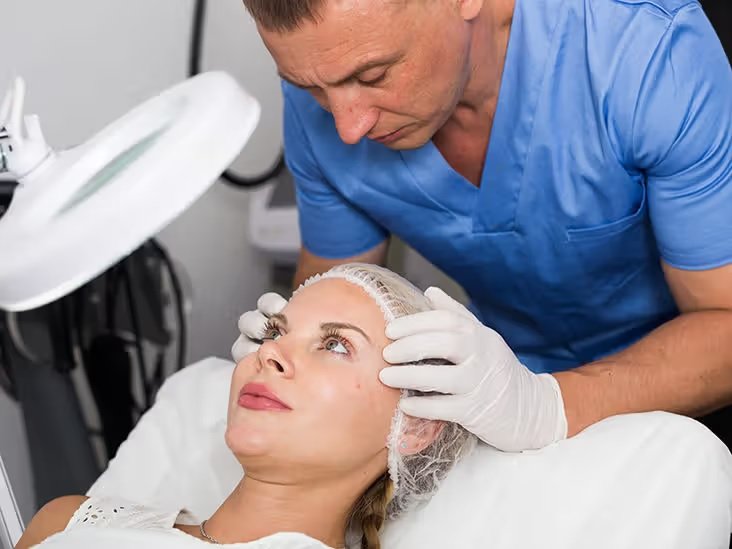
We rely on a structured assessment that includes skin thickness, fat distribution, muscle tone, and lymphatic drainage patterns. Age, genetics, lifestyle, and prior cosmetic procedures are carefully reviewed. This diagnostic phase allows us to design a treatment plan that targets the actual anatomical issue rather than applying a generic solution.
Non-Surgical Eye Bag Removal Techniques
We frequently use advanced non-surgical options for patients with mild to moderate eye bags. These include radiofrequency skin tightening, ultrasound-based collagen stimulation, and injectable treatments that rebalance under-eye volume. When applied correctly, these methods reduce puffiness, smooth contours, and improve skin firmness without downtime.
Injectable Solutions for Under-Eye Bags
We use hyaluronic acid fillers and biostimulatory injectables to correct hollowing that exaggerates eye bags. Strategic placement restores a smooth transition between the lower eyelid and cheek. This approach requires advanced expertise, as precision directly determines both safety and aesthetic outcome.
Laser and Energy-Based Eye Bag Reduction
We incorporate fractional lasers and plasma technologies to tighten loose under-eye skin and improve texture. These treatments stimulate collagen remodeling while reducing crepey skin that can magnify the appearance of bags. Results are progressive, natural, and particularly effective for early aging changes.
Surgical Eye Bag Removal for Lasting Results
We recommend surgical intervention when eye bags are caused by significant fat protrusion or severe skin laxity. Lower blepharoplasty allows us to remove or reposition fat while tightening supporting tissues. When performed conservatively, this procedure restores a rested appearance without altering natural eye shape.
Post-Treatment Care and Recovery Protocols
We follow strict post-procedure protocols to optimize healing and longevity. These include cold therapy, lymphatic drainage techniques, topical recovery formulations, and activity modification. Proper aftercare significantly enhances results and minimizes swelling or bruising.
Long-Term Maintenance after Eye Bag Removal
We advise ongoing maintenance to preserve outcomes. Medical-grade skincare, sun protection, hydration management, and periodic non-invasive treatments help sustain firmness and prevent recurrence. Eye bag correction is most successful when viewed as a long-term aesthetic strategy rather than a one-time fix.
Safety Standards and Clinical Precision
We operate under strict medical safety standards, using evidence-based techniques and advanced imaging when required. Under-eye anatomy is delicate, and expert handling is essential to avoid complications. Clinical precision is the defining factor between temporary improvement and transformative results.
Ideal Candidates for Eye Bag Removal
We treat individuals who are healthy, realistic in expectations, and motivated by natural-looking enhancement. Whether the concern is genetic eye bags in younger patients or age-related changes later in life, tailored solutions deliver the most consistent outcomes.
Lifestyle Factors That Influence Eye Bag Formation
We account for daily habits that silently worsen under-eye bags, including poor sleep posture, excessive sodium intake, dehydration, smoking, and prolonged screen exposure. These factors disrupt lymphatic drainage and microcirculation around the eyes, causing fluid accumulation and tissue stress. Addressing lifestyle contributors alongside clinical treatment significantly improves both short-term results and long-term stability.
The Role of Skin Quality in Under-Eye Appearance
We place strong emphasis on skin quality, as thin or weakened under-eye skin makes eye bags more visible. Medical-grade skincare, collagen-stimulating treatments, and antioxidant protection strengthen the dermal layer and improve elasticity. Enhanced skin integrity allows corrective treatments to appear smoother, more natural, and longer lasting.
Custom Treatment Planning for Natural Results
We design every eye bag correction plan with facial harmony in mind. The under-eye area does not exist in isolation, so cheek support, tear trough depth, and midface structure are always evaluated together. This integrated approach prevents overcorrection and ensures refreshed results that align seamlessly with the rest of the face.
Expected Results and Treatment Longevity
We set outcomes based on the chosen technique and individual anatomy. Non-surgical methods typically provide results lasting several months to over a year, while surgical eye bag removal offers long-term correction. With proper maintenance and expert execution, patients consistently achieve brighter, smoother, and more rested-looking eyes without signs of intervention.
We approach eye bag correction with medical rigor and aesthetic restraint, ensuring results that look refreshed rather than altered. Through precise diagnosis, advanced techniques, and structured care, we achieve outcomes that consistently restore brighter, younger-looking eyes.
Noah Prescott is a professional health and aesthetics writer specializing in eye bag removal, facial rejuvenation, and non-invasive cosmetic treatments. He focuses on translating advanced aesthetic science into clear, accessible content that helps readers understand treatment options, recovery processes, and modern approaches to under-eye rejuvenation.