Key Takeaways
- Injectables offer a non-invasive option for facial rejuvenation, with significantly less downtime than traditional surgery.
- Botox and dermal fillers are the most widely used types of facial injectables, offering distinct yet complementary results.
- Patient safety depends on seeking care from qualified medical professionals with the right certifications and experience.
- Innovations in injectables are bringing even greater personalization and effectiveness to aesthetic treatments.
Table of Contents
- Introduction
- Understanding Injectables
- Benefits of Facial Injectables
- Safety Considerations
- Emerging Trends in Injectable Treatments
- Choosing the Right Provider
- Aftercare and Maintenance
- Conclusion
Injectable treatments have brought remarkable advances in cosmetic medicine, enabling individuals to rejuvenate their facial features without surgery. These minimally invasive procedures have quickly gained popularity, particularly among people seeking effective, convenient ways to enhance their appearance. Those seeking solutions such as Botox injections for forehead wrinkles in Salt Lake City can now access state-of-the-art treatments that deliver striking yet natural results.
The appeal of facial injectables lies in their versatility and customizable benefits. Whether smoothing wrinkles, restoring lost volume, or subtly refining contours, injectables provide tailored solutions for diverse skin concerns. As technology and techniques have evolved, patients enjoy shorter recovery times and improved outcomes. With appropriate guidance and a commitment to safety, injectables continue to expand their reach and reliability among those seeking facial rejuvenation.
Understanding Injectables
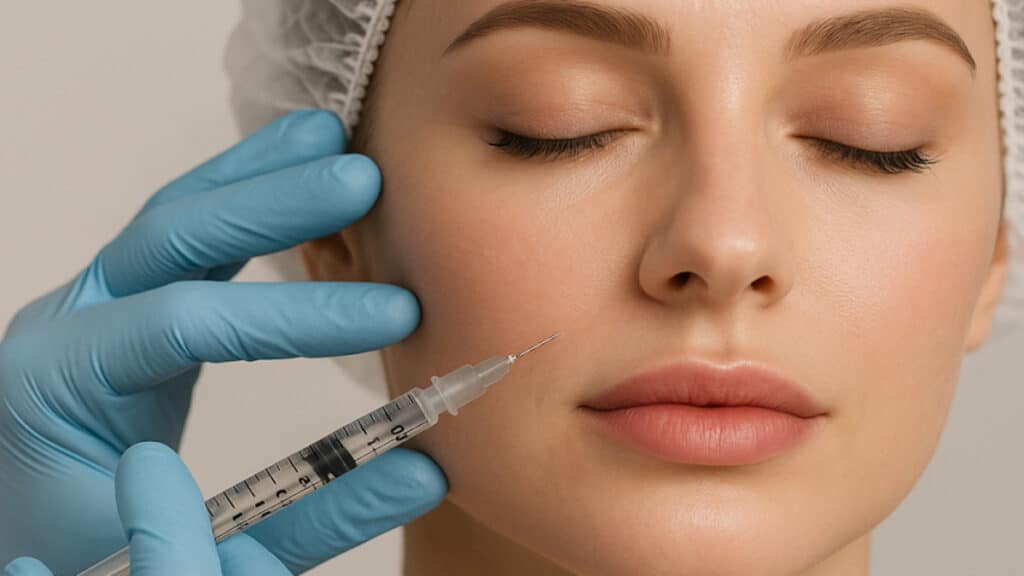
Injectable facial treatments involve introducing specialized substances into targeted skin layers using fine needles or cannulas. The most common injectables can be divided into two main categories based on their function and composition:
- Botulinum Toxin (Botox): This neurotoxin temporarily blocks signals between nerves and muscles, leading to relaxed facial expressions and noticeably smoother skin in areas prone to dynamic wrinkles, such as the forehead and around the eyes.
- Dermal Fillers: These gel-like substances, most frequently based on hyaluronic acid, are injected beneath the skin’s surface to add volume, fill static wrinkles, and sculpt facial contours for a youthful and refreshed look.
The right injectable and the specific approach are tailored to each patient’s unique facial anatomy and concerns, making an initial consultation with an expert essential for optimal results.
Benefits of Facial Injectables
Patients choose injectable treatments for various reasons. The most prominent advantages include:
- Non-Surgical Solution: Injectables avoid incisions, stitches, or general anesthesia, providing a less invasive alternative to procedures like facelifts.
- Efficient Procedure and Results: Treatments usually take less than 30 minutes and, depending on the product used, offer visible improvement either instantly or within days.
- Minimal Downtime: Most people can resume everyday activities immediately, with side effects such as slight bruising or swelling resolving quickly.
- Customizable Treatments: Providers can adjust formulations and injection patterns to best suit each person’s needs, allowing for highly personalized results.
- Natural-Looking Enhancements: When performed correctly, injectable treatments subtly restore facial harmony and attractiveness without creating an artificial or “frozen” look.
Facial injectables address concerns ranging from youthful prevention to mature restoration, making them suitable for adults at various life stages. This widespread versatility is a key driver of the rapid increase in popularity for these methods.
Safety Considerations
While facial injectables are generally safe when administered by trained professionals, every medical procedure carries potential risks. Common side effects include:
- Bruising and Swelling: Mild and temporary, usually resolving in a matter of days.
- Asymmetry: An incorrect injection technique may lead to uneven outcomes, underscoring the importance of provider experience.
- Allergic Reactions: Although uncommon, reactions may occur in patients sensitive to certain ingredients present in the injectables.
- Infection: Very rare but possible, especially if sterile technique is not meticulously observed.
Reducing the risk of complications starts with selecting a licensed provider with formal training in aesthetic medicine. Choosing a board-certified practitioner helps ensure higher safety standards, proper technique, and consistently high-quality outcomes for all injectable procedures.
Emerging Trends in Injectable Treatments
The aesthetic landscape for injectables is evolving. Recent innovations include:
- Regenerative and Biostimulatory Injectables: Unlike traditional fillers, these stimulate the production of natural collagen and elastin, encouraging long-term revitalization from within. Popularity is growing as patients seek outcomes that improve over time and appear exceptionally natural.
- AI-Enhanced Personalization: Clinics are now leveraging artificial intelligence tools to predict outcomes, simulate post-treatment results, and customize care more precisely.
- Focus on Lower Face and Neck: Treatments are expanding beyond the upper face, with demand rising for procedures addressing the jawline, chin, and neck. This reflects growing patient awareness about comprehensive facial harmony and age-defining features.
Choosing the Right Provider
The single most important factor for a safe and successful injectable experience is your choice of provider. Key considerations include:
- Credentials: Only consult providers who have undergone rigorous training in administering cosmetic injectables.
- Experience and Portfolio: Seek documentation showing a track record of positive patient outcomes for similar procedures.
- Comprehensive Consultations: Reliable practitioners perform thorough consultations to discuss your goals, review your medical history, and set clear expectations.
Reviewing clinic credentials, requesting before-and-after images, and asking questions about training can help ensure you are in qualified hands.
Aftercare and Maintenance
Proper aftercare is essential for both safety and maximizing your results. General recommendations include:
- Avoid Touching or Massaging the Treated Area: This helps prevent injectables from migrating to unintended locations.
- Pause Exercise and Heat Exposure: Minimize intensive physical activities and sauna or hot tub use for at least 24 hours following treatment to reduce the risk of swelling.
- Attend Follow-Up Appointments: Your provider may recommend follow-up appointments to evaluate results, provide touch-ups if necessary, and address any questions or concerns.
Conclusion
Facial injectables have transformed the possibilities for non-surgical facial rejuvenation. By recognizing their benefits, understanding factors affecting safety, and staying abreast of industry trends, prospective patients can make informed, empowered choices. Taking care to research providers and adhere to aftercare advice ensures optimal results and a satisfying aesthetic experience.