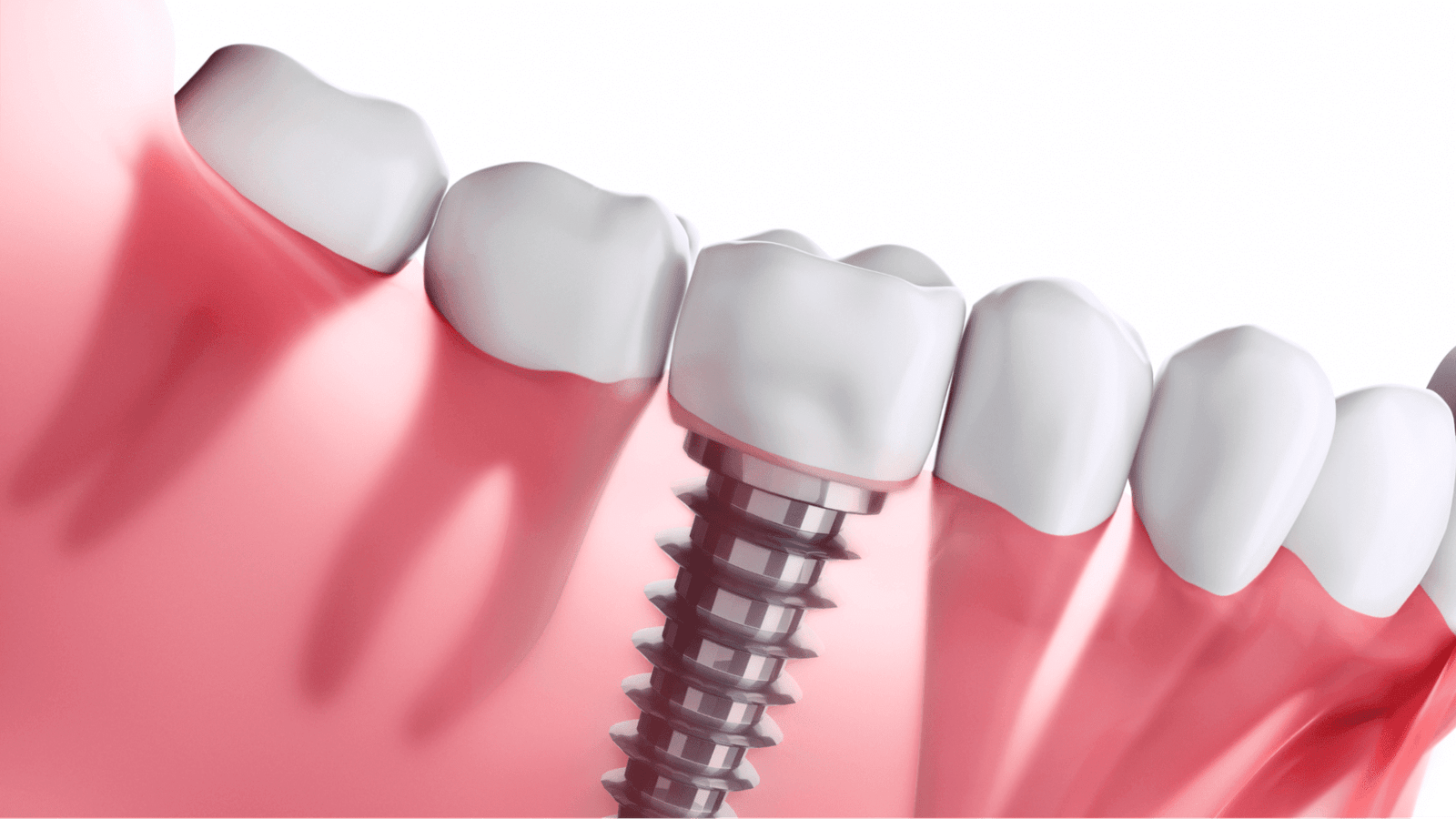
Dental implants are one of the most reliable and long-term solutions for replacing missing teeth. However, many people delay implant treatment due to cost concerns, fear, or lack of awareness. While postponing treatment may seem harmless at first, delaying a dental implant can lead to several oral health complications over time.
This article explains what happens when you delay getting a dental implant and why timely treatment is important for long-term oral health.
1. Bone Loss in the Jaw
One of the most serious consequences of delaying a dental implant is jawbone loss. When a tooth is missing, the jawbone in that area no longer receives stimulation from chewing. As a result, the bone begins to shrink and weaken over time.
Without sufficient bone:
- Implant placement becomes more difficult
- Bone grafting may be required later
- Facial structure can begin to change
2. Shifting of Surrounding Teeth
When a gap is left untreated, nearby teeth start to shift or tilt into the empty space. This can lead to:
- Misaligned teeth
- Bite problems
- Increased wear on remaining teeth
Tooth movement caused by delay can complicate future implant placement and may require orthodontic correction.
3. Changes in Bite and Chewing Ability
A missing tooth affects how your teeth come together. Over time, this can cause:
- Uneven bite pressure
- Difficulty chewing certain foods
- Jaw discomfort or pain
These bite issues may worsen if the implant is delayed for too long.
4. Increased Risk of Gum Disease and Decay
Gaps from missing teeth can trap food and bacteria, increasing the risk of:
- Gum inflammation
- Gum disease
- Cavities in neighboring teeth
Delaying treatment may lead to additional dental procedures beyond the implant itself.
5. Facial Changes and Premature Aging
Jawbone loss from missing teeth can lead to sunken cheeks, wrinkles, and facial sagging, giving the appearance of premature aging. Dental implants help maintain facial structure by preserving bone volume.
6. Longer and More Expensive Treatment Later
Postponing a dental implant often results in:
- Need for bone grafting or sinus lifts
- More complex procedures
- Higher overall treatment cost
- Longer recovery time
Early implant placement is usually simpler and more cost-effective.
7. Impact on Speech and Confidence
Missing teeth can affect speech clarity and make certain sounds difficult to pronounce. Many patients also experience:
- Reduced self-confidence
- Reluctance to smile
- Social discomfort
Replacing the tooth sooner helps restore both function and confidence.
8. Why Timely Dental Implants Are Important
Getting a dental implant at the right time:
- Preserves jawbone health
- Maintains proper tooth alignment
- Improves chewing and speech
- Prevents future dental complications
- Restores natural appearance and function
Final Thoughts
Delaying a dental implant may seem like a minor decision, but it can have long-term effects on your oral health, appearance, and overall well-being. The longer you wait, the more complex and costly the treatment can become.
If you have a missing tooth, consulting a dental professional early can help you protect your smile and avoid unnecessary complications.