Summary
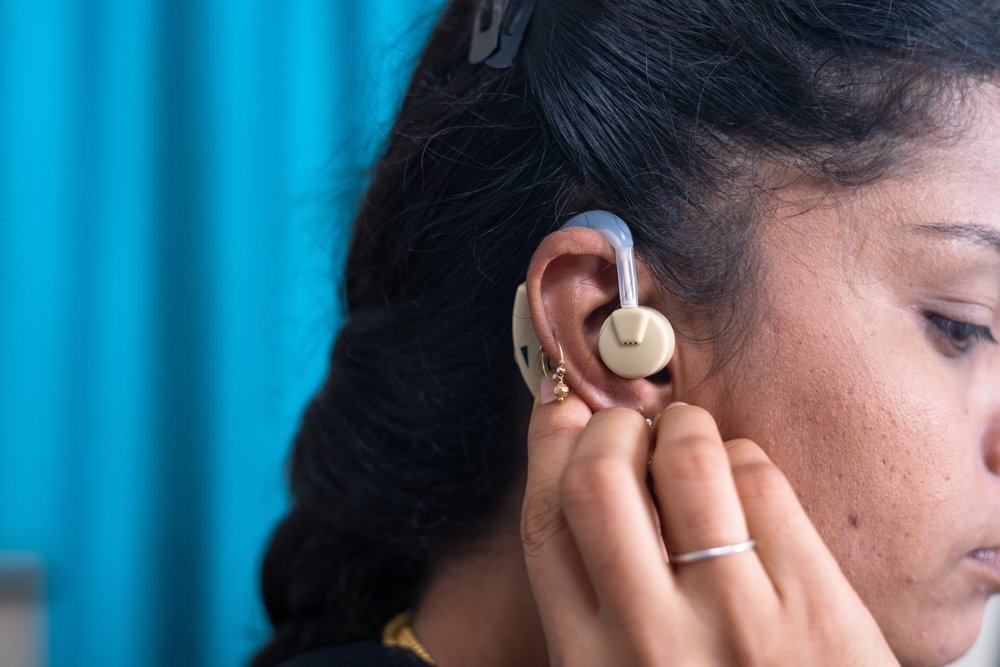
A hearing aid — often called an ear machine, hearing machine, or kan ki machine in India — is a small electronic device designed to help people with hearing difficulty listen more comfortably to speech and everyday sounds. Because hearing needs differ from person to person, hearing aid prices in India vary widely based on device type, technology, and professional support. This guide explains how hearing aids work, what affects their cost, and how to think about choosing one safely and confidently.
Disclaimer: This content is for general educational purposes only and is not a substitute for a professional hearing evaluation or personalised hearing-care advice.
Key Takeaways
- A hearing aid is the same as an “ear machine” or “hearing machine”
In everyday Indian language, people often use terms like ear machine, deaf machine, or kan ki machine. These all usually refer to a hearing aid — a small device worn on or in the ear that helps improve access to sounds. - Hearing aid prices in India vary because hearing needs are different
Cost depends on factors such as device type, technology level, rechargeability, and whether professional services like hearing tests and fitting are included. - There is no single “best hearing aid” for everyone
A hearing aid that suits one person’s lifestyle, comfort, and hearing pattern may not be right for another, even if it costs more. - Different hearing aid styles are made for different listening needs
Behind-the-ear, receiver-in-canal, and in-the-ear hearing aids differ in size, power, visibility, and ease of handling, which affects both comfort and price. - Rechargeable and Bluetooth hearing aids usually cost more
These models include built-in batteries and wireless features that make daily use easier, but they also raise the overall device cost. - Professional testing and fitting are part of responsible hearing care
Hearing-care professionals normally assess hearing levels and adjust the hearing aid to match a person’s needs, which helps improve sound clarity and comfort.
Table of Contents
- What Is a Hearing Aid?
- Why People Call It an Ear Machine
- How a Hearing Aid Works
- Main Types of Hearing Aids
- Behind-the-Ear Hearing Aids
- Receiver-in-Canal Hearing Aids
- In-the-Ear and In-Canal Hearing Aids
- Rechargeable vs Battery Hearing Aids
- What Affects Hearing Aid Price in India
- Typical Hearing Aid Price Ranges
- Why Prices Differ Between Cities
- Understanding “Best Hearing Aid” Searches
- What Is Included in Hearing Aid Cost
- Trials, Fitting, and Follow-Up Care
- When to Seek a Hearing-Care Professional
- Common Myths About Hearing Aid Prices
- Conclusion
- FAQs
What Is a Hearing Aid?
A hearing aid is a small electronic hearing device worn in or around the ear. It helps people with hearing difficulty listen to speech, television, phone calls, and everyday sounds more clearly. It does not restore hearing to normal, but it can make sounds more accessible in many daily situations.
Why People Call It an Ear Machine
In India, medical devices are often named by what they do. Because a hearing aid helps the ear “hear,” many people call it:
- Ear machine
- Hearing machine
- Deaf machine
- Kan ki machine
These are all informal ways of referring to a hearing aid.
How a Hearing Aid Works
Most hearing aids have three main parts:
- Microphone – picks up sound
- Processor – adjusts sound based on settings
- Speaker – delivers sound into the ear
Modern hearing aids can reduce background noise, improve speech clarity, and automatically adjust to different listening environments.
Main Types of Hearing Aids
Hearing aids are grouped by how they fit:
- Behind-the-Ear (BTE)
- Receiver-in-Canal (RIC)
- In-the-Ear (ITE)
- In-the-Canal (ITC)
- Completely-in-Canal (CIC)
Each style has different comfort, power, and visibility.
Behind-the-Ear (BTE) Hearing Aids
BTE hearing aids sit behind the ear with a tube leading into the ear canal. They are:
- Easy to handle
- Suitable for many hearing levels
- Often available in rechargeable and battery models
They are commonly chosen by seniors and first-time users.
Receiver-in-Canal (RIC) Hearing Aids
RIC hearing aids place the speaker inside the ear canal while the main unit sits behind the ear. This allows:
- More natural sound
- Smaller design
- Better comfort for many people
These models often cost more due to their advanced design.
In-the-Ear and In-Canal Hearing Aids
These are custom-shaped to fit the ear. They are:
- Less visible
- Lightweight
- Suitable for people who prefer discreet devices
However, smaller size can limit battery and feature options.
Rechargeable vs Battery Hearing Aids
Rechargeable hearing aids use built-in batteries and charging cases. They:
- Eliminate frequent battery changes
- Are easier for people with limited hand strength
- Usually cost more due to added electronics
What Affects Hearing Aid Price in India
Hearing aid prices vary based on:
- Device type (BTE, RIC, in-ear)
- Technology level
- Rechargeability
- Noise-reduction and sound processing
- Bluetooth and smartphone connection
- Professional services included
Typical Hearing Aid Price Ranges
Hearing aids in India are often grouped as:
| Category | What it usually includes |
|---|---|
| Entry level | Basic sound amplification |
| Mid range | Better clarity, some automatic features |
| Advanced | Rechargeable, Bluetooth, multiple programs |
Actual prices depend on provider and service package.
Why Prices Differ Between Cities
Prices can vary between Bangalore, Chennai, Mumbai, Kolkata, and Kerala due to:
- Clinic operating costs
- Service packages
- Local distribution and support
Understanding “Best Hearing Aid” Searches
People searching for “best hearing aid” usually mean:
- Comfortable
- Clear sound
- Reliable
- Worth the money
The right hearing aid depends on hearing level, daily environment, and personal comfort.
What Is Included in Hearing Aid Cost
Many prices include:
- Hearing test
- Device fitting
- Fine-tuning
- Follow-up visits
- Cleaning and support
These services help ensure safe and effective use.
Trials, Fitting, and Follow-Up Care
Many providers offer:
- Trial periods
- Adjustment sessions
- Ongoing support
These steps help users adapt to their hearing aids.
When to Seek a Hearing-Care Professional
Hearing-care professionals generally recommend a hearing test before choosing any hearing aid. This helps identify:
- Hearing level
- Suitable device type
- Proper programming
Common Myths About Hearing Aid Prices
- Expensive means best for everyone – Not true
- Cheap hearing aids don’t work – Some meet basic needs
- One model suits all – Hearing needs vary
Conclusion
A hearing aid, ear machine, or hearing device can support better communication and daily comfort for people with hearing difficulty. In India, prices vary because technology, services, and personal needs differ. Learning how hearing aids work and what affects their cost helps people make informed, confident decisions.
FAQs
1. How much does a hearing aid cost in India?
Prices vary widely based on type, technology, and services included. Entry-level models are more affordable, while advanced rechargeable hearing aids cost more.
2. Is an ear machine and hearing aid the same?
Yes. Ear machine, kan ki machine, and hearing machine usually refer to a hearing aid.
3. Why are some hearing aids more expensive?
Advanced sound processing, rechargeability, and professional fitting increase cost.
4. Can I buy a hearing aid online?
Devices are sold online, but a hearing test and fitting are generally recommended.
5. Are rechargeable hearing aids better?
They offer convenience, but suitability depends on personal needs.
6. Do hearing aid prices include fitting?
Many providers include testing and fitting, though it varies.