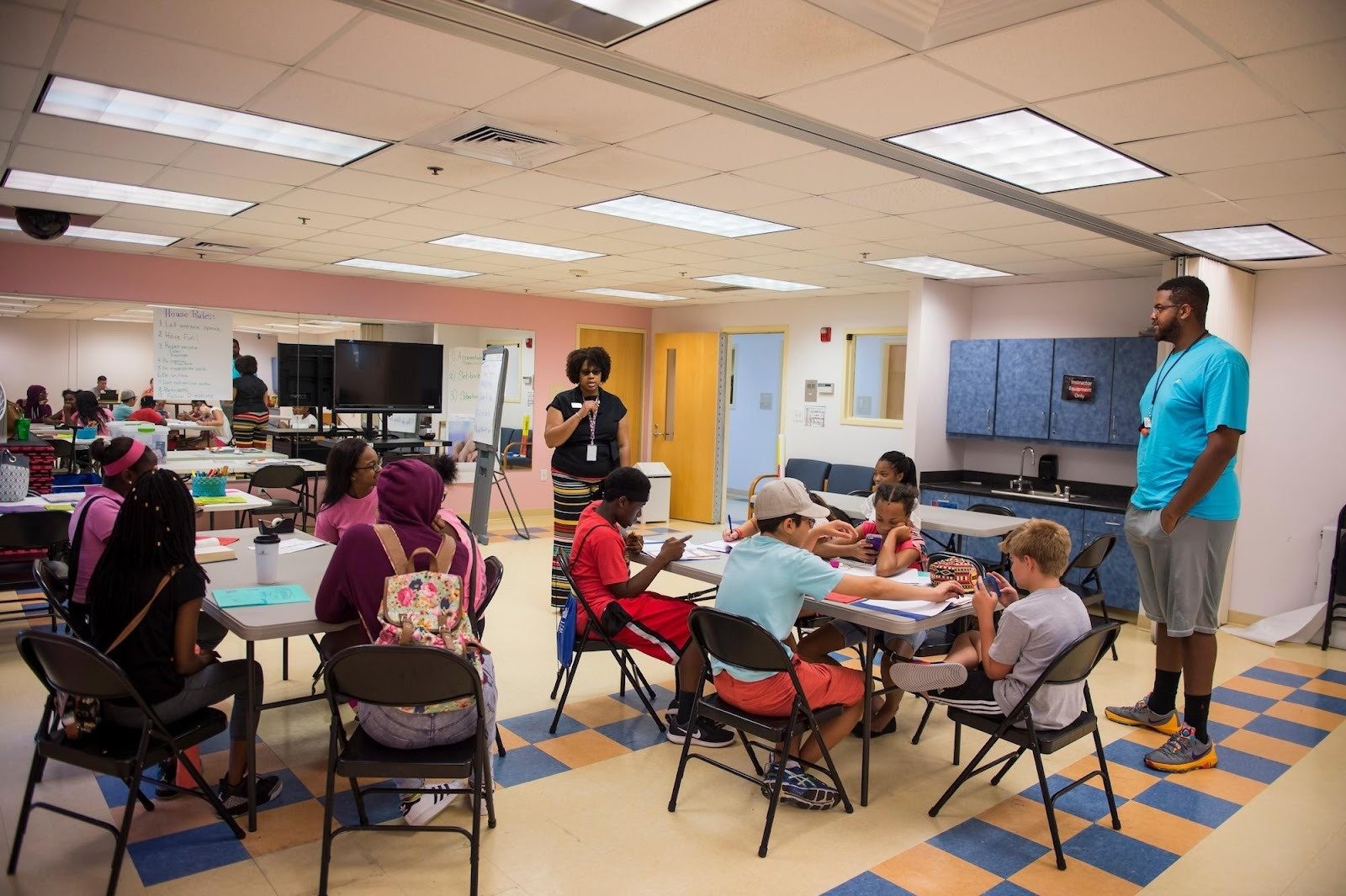
Youth culture has always been a driving force behind social change, but in the digital age, its influence is stronger and more visible than ever. Young people today are not only adopting trends — they are creating them. From fashion and music to work habits and entertainment choices, the modern generation is reshaping lifestyle norms and challenging traditional ideas of success, leisure, and self-expression.
One of the defining features of contemporary youth culture is fluid identity. Unlike previous generations, young adults are less likely to define themselves by a single role or long-term plan. Instead, they experiment with different interests, communities, and personal styles. Social media platforms allow them to showcase multiple sides of themselves, shifting between creative, professional, and playful identities with ease. This flexibility is not a sign of uncertainty, but rather a reflection of a world full of options.
Entertainment plays a crucial role in this evolving lifestyle. Young people are no longer passive consumers of content. They want experiences that are interactive, social, and engaging. Streaming platforms, online games, and digital communities offer spaces where individuals can participate, express opinions, and connect with others globally. Entertainment becomes part of identity — a way to signal interests, values, and belonging.
Sports culture, in particular, has seen a major transformation among younger audiences. Watching games is no longer just about the final score; it’s about the experience surrounding it. Live chats, memes, analytics, and fan communities add layers of engagement that make sports more immersive. For some, activities related to sports betting naturally integrate into this ecosystem, offering an additional strategic dimension that aligns with youth culture’s interest in analysis, prediction, and competition. It becomes less about chance and more about understanding patterns, teams, and performance.
Another key element of youth lifestyle is the blending of online and offline worlds. Digital interactions often translate into real-life behaviors, influencing fashion choices, travel plans, and social habits. Trends spread rapidly, crossing borders in seconds. A style popularized in one city can become global overnight, fueled by creators and communities rather than traditional media. This interconnectedness allows young people to feel part of something bigger while still maintaining individuality.
Work and productivity are also being redefined. Many young adults value flexibility over stability and purpose over prestige. Remote work, freelancing, and creative side projects are increasingly common. Success is no longer measured solely by job titles or income, but by freedom, balance, and personal fulfillment. This mindset shapes how leisure is perceived — entertainment is not an escape from work, but a complement to a lifestyle built around autonomy.
Mental health awareness is another defining trait of modern youth culture. Conversations around stress, burnout, and emotional well-being are more open than ever. Young people actively seek balance, incorporating mindfulness, fitness, and intentional rest into their routines. Digital platforms that offer controlled engagement, strategy, and short bursts of excitement fit naturally into this approach, allowing entertainment without overwhelming commitment.
Social connection remains central to youth lifestyle, but it has evolved. Friendships are formed through shared interests rather than proximity, and communities often exist entirely online. Whether centered around music, fashion, gaming, or sports, these groups provide a sense of belonging and identity. Participation is fluid — people join, contribute, and move on as their interests evolve.
Youth culture is also deeply influenced by creativity. Content creation is no longer reserved for professionals; anyone with a phone and an idea can reach an audience. This democratization of creativity empowers young people to shape narratives rather than consume them. Entertainment platforms that encourage participation, strategy, and self-expression align perfectly with this creative mindset.
Ultimately, youth culture today is defined by adaptability, curiosity, and connection. Young people navigate a world that changes rapidly, using digital tools to explore identity, build community, and design lifestyles that reflect their values. Entertainment, sports, and strategic engagement are woven into this fabric, supporting a generation that seeks meaning alongside enjoyment.
As youth culture continues to evolve, one thing is clear: lifestyle is no longer about following a script. It’s about choosing experiences that resonate personally, foster connection, and support growth. And in this dynamic environment, interactive elements — including those related to sports betting — become part of a broader cultural shift toward engagement, strategy, and self-directed living.