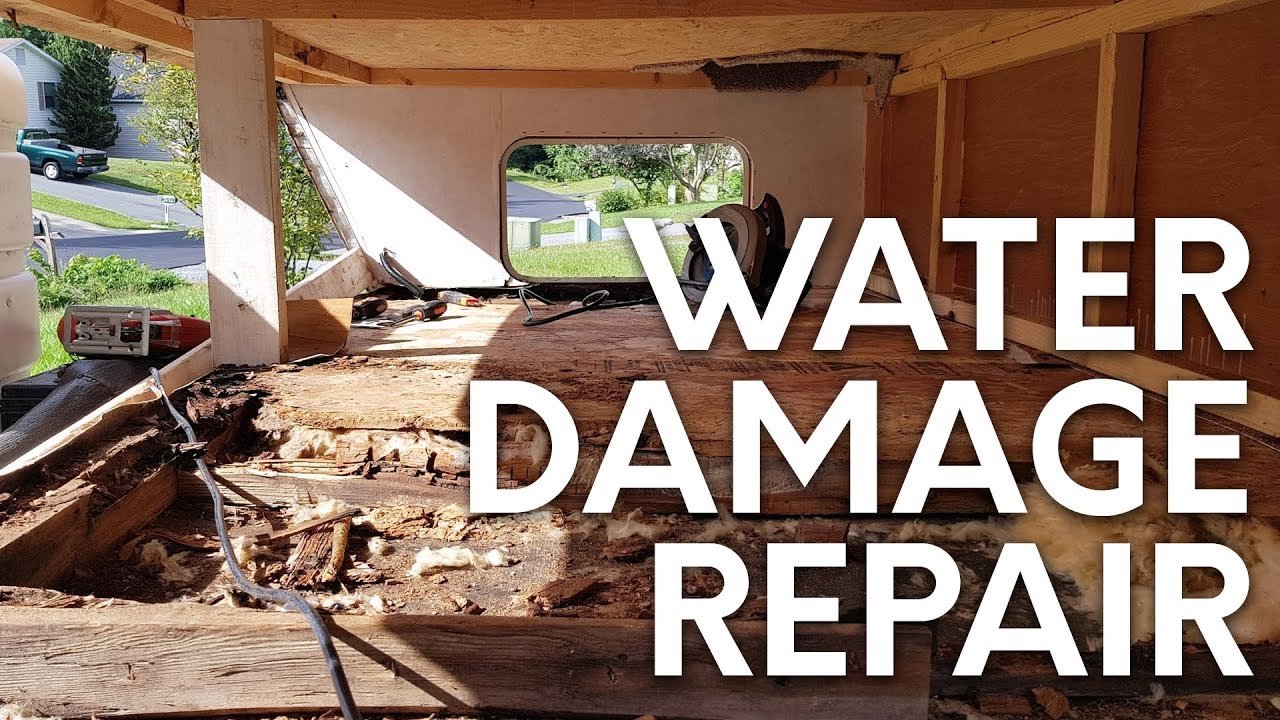
Water damage is among the most devastating emergencies that affect businesses and homeowners across North Texas. From unexpected storms to concealed leaks, the damage usually occurs when it is least anticipated and it can be more extensive than many realize. Restoration experts across the region have noticed an increase in the number of emergency calls, specifically to Water Damage Restoration in Fort Worth and Water Damage Restoration in Dallas TX.
Knowing the main causes of water damage can help homeowners to be prepared, respond quickly and prevent expensive destruction. In this complete guide, experts from both cities provide insight on the root of these issues and the best ways to safeguard your home.
1. Weather Patterns in Fort Worth & Dallas
North Texas experiences some of the most unpredictable weather patterns in the U.S. Extremely hot summers, sudden storms and tornadoes, hailstorms and cold temperatures, all are a factor in the rise of flooding incidents.
Fort Worth Weather Challenges
Fort Worth’s geographic location is prone to:
- Flash floods
- Storms with heavy rain
- Overflows of the river
- Sudden cold snaps
- Hail damage
Neighborhoods with low elevations and older homes are at greatest the risk. In the event of heavy rains homes, water may enter through basements, roofs windows or weak foundations.
Dallas TX Weather Challenges
Dallas is also at risk, but typically experiences higher in the way of urbanization:
- Extreme rainstorms can overwhelm drainage systems
- Urban flooding as a result of heavy concrete infrastructure
- Tornados that impact roofs can cause leaks
- Frozen pipes during winter storms
Since Dallas is home to a lot of multi-story buildings, damage from water typically spreads vertically in a row, affecting multiple units simultaneously.
The teams of restoration from both towns agree that weather is still the primary reason for water damage, which affects thousands of homes each year.
2. Plumbing Failures and Old Infrastructure
Although storms can cause unexpected destruction, plumbing problems are a common, and often innocuous reason for water destruction throughout North Texas.
Common Plumbing Failures Include:
- Pipes burst
- Water heaters that leak
- Afflicted by faulty washing machine hoses
- Blocked drains
- Sewer backups
- Sprinkler systems that are damaged
Older communities located in Fort Worth and Dallas have old infrastructure that raises the likelihood of pipe failures. Pipes that are rusty, old materials joints, and weak materials tend to collapse when pressure is applied.
Fort Worth’s Older Homes
Many of the homes located in Fort Worth were built decades ago and still depend on old plumbing systems. When temperatures fluctuate, especially in winter when temperatures freeze-pipes expand and shrink, and eventually burst.
Dallas’s High-Demand Water Systems
Dallas is home to a higher percentage of people and a greater number of commercial buildings, placing constant stress on its plumbing systems. Restaurants, retail shops as well as apartment complexes and office buildings are often affected by water leaks as well as backups.
No matter the cause concerns old pipework or excessive use, water damage caused by plumbing is becoming more commonplace in both areas.
3. Why Rapid Response Is Crucial
The spread of water damage is fast, much faster than what most homeowners think.
Within 1-2 Hours:
- Water saturates the insulation and drywall
- The floor begins to swell
- Electrical systems can be affected.
Within 24-48 Hours:
- Mold begins to form
- Structural materials weaken
- Moisture that has lingering effects can cause unpleasant smells
Within 72 Hours and Beyond:
- The damage is irreparable
- Repairs can be significantly more expensive.
- The mold colonies are spread throughout the house
The restoration professionals emphasize the need for immediate intervention. The professional teams of Water Damage Restoration in Fort Worth and Water Damage Restoration in Dallas TX are prepared to respond promptly, quickly extract water, dry the premises as well as remove damaged materials and prevent the growth of mold.
Homeowners who put off treatment frequently have to deal with:
- Costs for repairs that are higher
- Big structural problems
- Mold-related health risks posed by mold
Rapid response could be the difference between preserving your home, or rebuilding huge portions of it.
4. How Water Damage Restoration in Fort Worth Compares to Dallas TX
Both cities face similar challenges, the teams for restoration deal with cases in a different way due to the specific local characteristics of each city.
Fort Worth Restoration Insights
- More cases are caused by storms and flash floods
- More older houses that require careful structural evaluation
- The basement and crawlspace are often the most frequent moisture problems
- The larger size of the property means that more water can be spread more quickly.
Residents frequently face:
- Living rooms that are flooding
- Roof leaks
- Flooring damaged by hardwood
- Walls and ceilings are flooded with moisture.
Dallas TX Restoration Insights
- Another high-rise water-damage case
- Mold growth is faster because of humidity and tightly sealed structures
- Issues with plumbing that affect multiple units in apartment buildings
- Commercial building damage requiring large-scale extraction equipment
Companies that provide restoration services located in Dallas frequently require:
- Advanced water extraction systems for water
- Dehumidifiers with high capacity
- Specialized tools designed for multi-floor buildings
Although the fundamental restoration process is identical but the method of execution is different because Fort Worth homes are typically sprawled and older, whereas Dallas homes are more vertical and contemporary.
5. Homeowner Prevention Checklist
While some causes of water damage can’t be avoided, homeowners can take proactive steps to safeguard their property.
1. Inspect Plumbing Regularly
Find leaky signs:
- Wet spots
- Lower water pressure
- Walls that are stained
- The smell of mold
Renew older pipes before they fail.
2. Maintain Your Roof
Verify:
- She’s missing shingles
- Cracks
- Poor flashing
- Holes made by hail
A solid roof can block the majority of water infiltration.
3. Clear Gutters & Downspouts
The blocked gutters can cause water overflow which can get into the home very quickly.
4. Install a Sump Pump (If Applicable)
Particularly for homes in flood-prone areas such as Fort Worth.
5. Insulate Pipes
Be sure to prevent freezing in winter storms to prevent pipe bursts.
6. Seal Windows & Doors
The weak seals in the roof allow rainwater to get inside.
7. Test Appliances
Make sure you check the hoses on washing machines as well as dishwashers and water heaters on a regular basis.
8. Monitor Your Water Bill
A sudden spike can signal a leak.
9. Use Smart Water Sensors
The devices that are placed under sinks or in close proximity to appliances send warnings when leaks start to occur.
10. Know a Trusted Restoration Company
The presence of a professional will ensure that you are ready for action immediately in the event of a disaster.
Being prepared helps reduce risks and minimizes damage in emergency situations.
Final Thoughts
North Texas is no stranger to water-related catastrophes. With the changing weather patterns, an aging infrastructure, and a growing populations, the chance of water-related damage increases. Restoration experts stress the importance of being aware for early detection and swift actions.
If you’re a homeowner living located in Tarrant County or living in the city’s high-rises in downtown Dallas knowing the root causes of water damage could save you hundreds of dollars worth of repair. Selecting a team of experts with experience in Water Damage Restoration in Fort Worth or Water Damage Restoration in Dallas TX will ensure that your home receives the most efficient and speediest treatment.