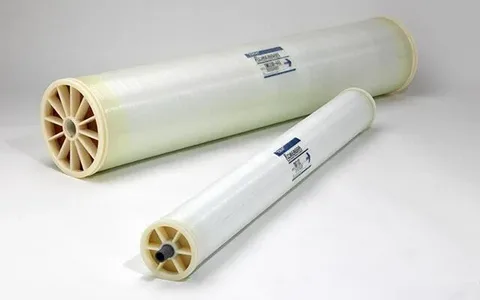
Every Reverse Osmosis system includes a Reverse Osmosis membrane which functions as its core. This component controls how thoroughly an RO system removes salinity together with chemical pollutants and microorganisms and micro-particles from water. No matter if your RO system serves your residence or your office or your mega industry operation, a membrane health unit determines how pure and healthy your water supplies will be.
Most water sources in the UAE contain high TDS levels together with salinity as well as chemical contamination that causes membranes to deteriorate rapidly. Long-lasting system performance requires reliable RO Membrane Suppliers in UAE together with specialized support from a Water Treatment Company in UAE.
Your knowledge about when to replace your RO membrane lets you avoid:
• Droppin toxic chemicals into your drinking water
• Halting damage to your household appliances
• Decreasing your maintenance bills
• Enhancing your industrial production quality
• Protecting your health through safe water supply
The following comprehensive handbook presents key indications which show your water filtration membrane is near its operational end-life.
1. Increasing TDS Levels in the Water
Total Dissolved Solids (TDS) levels suddenly or slowly increase which serves as one key indicator showing a system’s membrane is about to fail. The RO membrane performs the task that blocks heavy metals along with minerals and dissolved salts from water. The contaminants move freely through the system when the membrane weakens or becomes plugged.
Water table’s chemical content increases as a frequent signal of Total Dissolved Solids (TDS) elevation.
2. Noticeable Change in Water Taste and Odor
When your drinking water develops odd tastes or smells your RO membrane probably has ceased to stop chemicals or organic contaminants from entering the purified water.
Metallic taste Your water may have a salty taste Rotten or musty smell Flat and unpleasant drinking water These changes occur because contaminants like chlorine, sulfates, nitrates, and microorganisms begin to pass through the membrane. A professional Water Treatment Company in UAE can test the water quality and establish whether the membrane has failed.
3. Reduced Water Flow or Slow Filtration
Reverse Osmosis membranes have minute holes (0.0001 microns) which become blocked by:
• Calcium and magnesium
• Silt, dirt, and sediments
• Iron deposits
• Chemical scaling
• Biofilm
Unwanted matter builds up inside the system and water discharge becomes difficult. The following suggestions:
• Slow faucet filling
• Decreased water flow at the tap
• The RO system operates longer than expected
These signs represent an early indication that your membrane is degrading.
4. Increase in System Pressure
By increasing interior pressure, the system attempts to maintain water flow when the membrane becomes clogged. Problems with system components caused by excessive pressure include:
• Water pump
• Valves
• Pre- and post-filters
• RO housing
If you detect unusual noises or vibrations from your RO system as well as fluctuating pressures your membrane could be at fault. Ignoring this can result in pump failure.
5. Frequent Pre-Filter Clogging
The membrane fails its function as primary barrier when your carbon or sediment filters need frequent replacement. This causes your pre-filters to perform additional work which leads to:
• Extra maintenance expenses
• A system that breaks down more rapidly
• Reduced water production efficiency
Professional technicians from any reputable Water Treatment Company in UAE often check pre-filter conditions as part of their diagnostic checklist.
6. Cloudy or Murky Water Output
RO membrane water purification works on a molecular scale. The output from RO membranes should always stay perfectly transparent.
When you detect:
• Cloudiness
• Floating particles
• Slight discoloration
This demonstrates that the membrane pores have been corroded or reached their end of service life.
Detailed Water Supplies with Cloudy Texture are unsafe for drinking, cooking and industrial applications.
7. Scaling and Mineral Deposits in Appliances
When the membrane fails to remove hardness-causing ions (calcium & magnesium), scaling becomes visible on:
• Electric kettles
• Coffee machines
• Bathroom fixtures
• RO storage tanks
• Industrial boilers and pipes
These mineral deposits suggest that current TDS and hardness regulation is failing in your system.
8. RO System Running Continuously
A regular RO unit stops operating after the tank reaches full capacity.
Your RO system:
• Maintains continuous operation
• Launches itself frequently
• Always empties the tank before filling it up
These symptoms indicate that your membrane has lost its filtration capability, so the system attempts to make up for that loss.
The non-stop operation of your system uses more electricity and shortens the pump’s operational lifetime.
9. Membrane Has Reached the End of Its Life
The minimum lifespan applies to all membranes although they might continue to deliver drinkable water. Average operating durations for membranes are:
• Home RO membranes perform 1–2 years
• Commercial membranes function for 12–18 months
• Industrial membranes work 6–12 months based on TDS levels and application needs
• Seawater RO membranes function for shorter periods because of extreme TDS concentrations
RO Membrane Suppliers in UAE usually advise customers to change membranes at scheduled intervals instead of waiting until the entire membrane completely breaks down.
10. Biological Growth or Fouling
Biofouling develops when organic particles bond together with bacteria and algae form onto membranes surfaces.
These indicators appear when biofouling occurs:
• Strange odor
• Slimy tubing
• Brown or greenish membrane surface
Insufficient pre-treatment procedures combined with abundant contamination particle presence and poor maintenance lead to these effects.
Why UAE Water Conditions Damage Membranes Faster
The water environment in the UAE differs from other regions because of:
• Fed groundwater remains salty
• Water contains high TDS levels
• Heat accelerates bacterial growth in water
• Municipal water has substantial chemical content
• Old pipes contain heavy metal residues
UAE’s unique water characteristics require consistent inspections for membranes and planned replacements.
Water Treatment Company in UAE, which you can trust, will do the following:
• TDS testing
• Membrane performance assessment
• Pressure and flow analysis
• Complete RO system audits
Why Buy from Trusted RO Membrane Suppliers in UAE?
Purchasing original membrane delivers the following benefits:
• Biological contaminants among solutions remain highly reduced
• Higher RO system durability rate
• Higher quality water output
• Pumps and other appliances remain undamaged
• Optimized industrial production operation
Trustworthy distributors offer:
• Genuine TFC and SWRO Membranes
• Appropriate installation assistance
• Customer support
• Performance guarantees and warranty
Your entire RO system will suffer damage when you use membranes of low quality.
Conclusion
A Reverse Osmosis membrane serves three vital functions: it protects your health together with your home appliances and industrial processes. Your health and your industrial and commercial operations depend on monitoring membrane failure signs when you use RO systems for drinking water or cooking or commercial activities or production.
You need to change the membrane whenever your water shows elevated dissolved solids or unpleasant flavors or reduced transparency or sluggish delivery or excessive pressure.
RO systems in the UAE deliver reliable water quality alongside long-term savings when you seek products from licensed RO Membrane Suppliers and receive professional advice from Water Treatment Companies.
FAQs
1. How often should I replace an RO membrane?
Most membranes last 1–2 years for home use, 12–18 months for commercial setups, and 6–12 months for industries. Water quality and TDS levels affect lifespan.
2. Can a damaged membrane make water unsafe?
Yes. A weak RO membrane can allow salts, chemicals, heavy metals, and microorganisms to pass through, making the water unsafe for drinking or industrial use.
3. Why do RO membranes fail faster in the UAE?
High TDS, salinity, hot climate, and chemical-rich water make membranes clog and deteriorate more quickly, requiring timely maintenance.
4. Can I clean and reuse an RO membrane?
Some industrial membranes can be chemically cleaned, but home RO membranes are usually replaced for best results.
5. How do I know if the membrane or another part of the RO is faulty?
A Water Treatment Company in UAE can perform diagnostics to check:
- TDS rejection rate
- Pressure levels
- Flow rate
- Membrane integrity
This ensures accurate identification and proper repair.
6. Where can I get genuine RO membranes in UAE?
You should always buy from certified RO Membrane Suppliers in UAE to ensure quality, compatibility, and long-lasting performance.