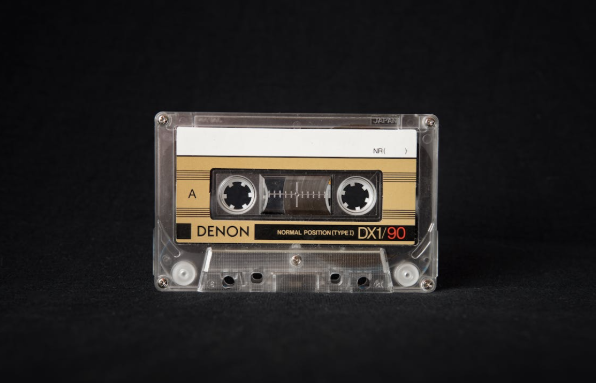
Many people still hold onto old cassette tapes containing their favorite tracks or rare recordings. But, when it’s time to digitize them, one question always comes up: Can the sound quality actually be improved in the process?
The good news is—yes, it can. However, achieving that clarity depends on how the tapes are handled, the equipment used, and the techniques applied during transfer.
This post explores how professionals breathe new life into aging analog recordings and what makes the process of converting a cassette to digital format so effective.
Understanding the Limits and Possibilities of Sound Restoration
Every cassette carries a unique sound signature, influenced by the tape’s age and the equipment once used to record it. Over time, magnetic tape deteriorates, leading to distortion, hiss, or fading audio. These imperfections often raise doubts about whether the original clarity can ever be restored. Fortunately, modern conversion technology can now recover much of that lost depth.
Sound quality depends largely on the cassette’s condition before conversion. Factors like dust, moisture, and stretching can cause uneven playback, but careful handling helps minimize these issues.
Skilled technicians clean and inspect tapes before transferring audio to prevent further damage. Once the analog recording is stabilized, digital restoration tools enhance sound quality and balance.
The Role of Equipment and Expertise in Sound Enhancement
Digital conversion not only preserves audio but also allows for correction and refinement. Professionals use equalization, noise reduction, and rebalancing tools to recover warmth and detail.
With expert processing, once-muffled voices or instruments can reemerge with clarity. The improvement isn’t just technical—it’s emotional, bringing memories back to life.
Achieving the best results starts with high-quality playback equipment and calibrated digital converters. Using the wrong player or outdated gear can increase distortion, making recovery difficult. That’s why professionals rely on well-maintained decks that ensure gentle, stable playback while minimizing wear during transfer.
During conversion, precision matters. Each tape’s alignment, speed, and tone are carefully monitored to capture the most accurate sound profile. Digital audio interfaces then transform analog signals into high-resolution digital files ready for restoration. This blend of expertise and technology determines how close the new recording sounds to the original.
Audio technicians adjust frequencies, remove background noise, and enhance depth. Subtle equalization can bring new life to an old song, while noise filters minimize harsh static. With professional handling, even tapes that appear unsalvageable can reveal surprisingly clear sound.
Techniques Used to Improve Old Recordings
Restoring audio from old tapes involves a detailed process that enhances sound quality while preserving authenticity. Professionals use a range of methods to maintain every tone and texture.
Key improvement methods include:
- Noise Reduction: Removes unwanted hiss, hum, or static from aging tapes.
- Equalization (EQ): Balances frequencies to highlight vocals and instruments.
- Dynamic Range Adjustment: Restores volume balance and reduces harsh peaks.
- De-Humming and De-Clicking: Eliminates mechanical sounds caused by old playback devices.
These enhancements require more than just software—they demand a deep understanding of how analog sound behaves. Too much processing can flatten or distort the warmth of the original recording, so maintaining balance is essential. The goal isn’t to achieve perfection, but to preserve the authenticity of the moment with greater clarity and presence.
Why Audio Restoration Should Be Left to Professionals
Transferring old tapes may seem simple, but fragile materials can be easily damaged without proper care and handling. Professionals know how to prevent playback errors that could cause irreversible harm. They also use specialized equipment that stabilizes the tape before it moves through the playback mechanism.
Beyond safety, professional services provide consistency. Each recording receives the same level of attention, resulting in a uniform sound across multiple tapes. Moreover, trained technicians have access to premium digital tools that aren’t available in most home setups. These advanced systems ensure maximum sound recovery without overprocessing.
DIY restoration often leads to frustration or irreversible damage. Mishandling can cause tape jams, uneven transfer speeds, or incorrect file formats. Entrusting your tapes to professionals safeguards both the audio content and the sentimental value behind the recordings. Their expertise ensures the conversion from cassette tape to digital is accurate, smooth, and lasting.
The Benefits of Preserving Audio Memories Digitally
Digitization offers more than convenience—it provides security and longevity. Once converted, recordings can be stored across multiple devices and platforms, ensuring long-term preservation. Unlike magnetic tapes, digital files don’t degrade or lose quality, no matter how often they’re played.
The ability to edit, share, and replicate files without quality loss makes digital preservation ideal for personal and archival use. Whether it’s an old interview or a rare concert, these sounds can now be shared easily with friends or family around the world. This accessibility gives memories new life, uniting generations through familiar voices and melodies.
Additionally, storing recordings digitally allows creative opportunities, such as pairing restored audio with photos or videos. The past becomes dynamic once again—blending sound and imagery for immersive storytelling. Digitization doesn’t erase history; it amplifies it, ensuring every detail remains intact for future enjoyment.
How Photo Scanning Complements Audio Digitization
Preserving sound is only part of the story. Many people pair their audio restoration projects with a photo scanning service to build a complete digital archive. Together, these processes capture both the voices and faces that define personal and family history.
Photo scanning professionals use advanced scanners and image enhancement tools to restore color, remove dust, and correct fading. Old photographs regain vibrancy, while cherished details become visible once more. When displayed alongside digitized audio, these images and sounds create a living archive of treasured memories.
Combining both services offers powerful benefits:
- Cohesion: Organize your entire media history into one accessible digital collection.
- Preservation: Protect fragile tapes and photographs from further deterioration.
- Sharing: Easily send files to family or friends around the world without any loss in quality.
The blend of sound and image brings stories to life in ways that static albums or silent films never could. It’s a beautiful reminder that, when used thoughtfully, technology can make memories last forever.
The Emotional Impact of Hearing the Past Clearly
Hearing an old recording restored to clarity can stir deep emotions. The sound of a loved one’s laughter or the melody of a long-forgotten song instantly bridges the gap between past and present. Restoration allows these sounds to echo again, stronger and clearer than before.
This emotional reconnection reminds us why preservation matters. Beyond technical achievement, it’s about safeguarding the moments that shape identity and heritage. Digitized recordings become heirlooms, treasured like photographs or handwritten letters, ensuring future generations can experience history firsthand.
When restoration is done right, the past no longer feels distant. Each note, laugh, or spoken word becomes a thread linking what was once fragile to something everlasting. That’s the true beauty of bringing sound back to life.
The Last Word
Improving the quality of old recordings is absolutely possible when handled with precision and care. Through professional restoration, even damaged tapes can regain their clarity, warmth, and emotional presence.
Each restored recording proves that memories deserve more than to fade—they deserve to be heard. Converting cassette tape to digital ensures that what once played on analog reels continues to inspire, teach, and move listeners for generations.
Smooth Photo Scanning specializes in preserving life’s most meaningful moments through expert audio and photo digitization. From restoring clarity in aging tapes to reviving faded photographs, every project receives dedicated care.
Trust Smooth Photo Scanning to bring your memories into the digital age—keeping them safe, vibrant, and ready to be enjoyed again and again.