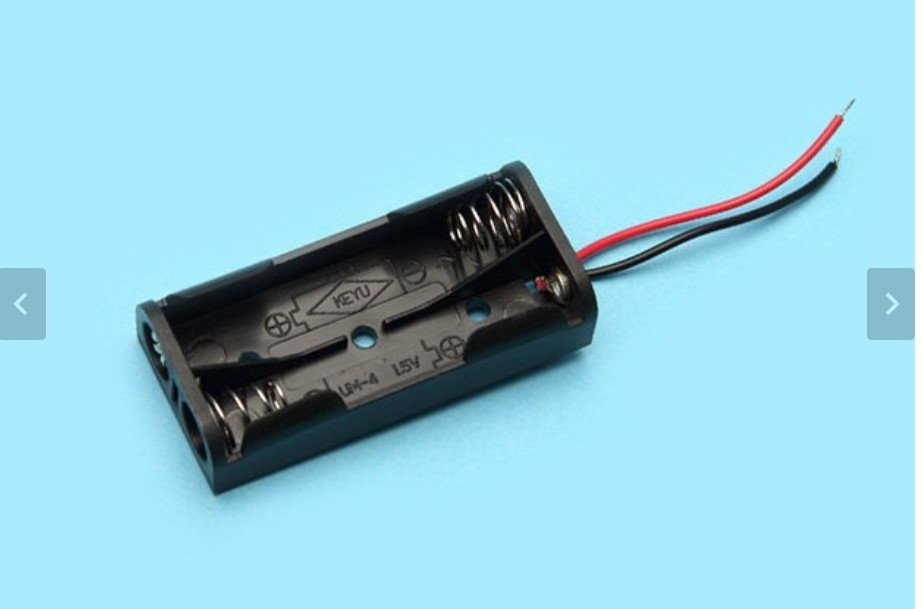
Introduction to Battery Housings
In today’s fast-paced world, batteries power everything from household gadgets to electric vehicles. The housing or casing of a battery is more than just a protective layer—it’s a vital component that affects battery safety, durability, and performance. Choosing the right battery housing manufacturer is, therefore, an essential step for companies producing battery-powered products. A reliable manufacturer ensures not just quality but also innovation, compliance, and efficiency.
Importance of Quality Battery Housing
The quality of battery housing impacts the entire lifespan and safety of a battery. A poorly designed or manufactured housing may result in overheating, leakage, or even explosions. On the other hand, a precisely engineered housing keeps the cells secure, regulates temperature, and allows for efficient energy flow.
A good battery housing manufacturer considers material strength, insulation, moisture resistance, and heat dissipation. Moreover, they must comply with regulatory safety standards such as ISO, CE, or UL certifications. These factors significantly influence a product’s credibility in the market.
Key Services Offered by a Battery Housing Manufacturer
Battery housing manufacturers provide more than just plastic or metal shells. They often offer full-service support that includes design assistance, prototyping, materials consultation, testing, and production. Let’s explore some of the core services they typically offer:
Design and Customization
Every application has unique requirements. Whether it’s for a small medical device or a high-capacity EV battery pack, the shape, size, and features of the housing must align with the usage environment. Custom design services enable manufacturers to tailor housings for specific technical and dimensional needs.
Material Selection
Material choice is crucial. Manufacturers often provide housings made from materials such as ABS plastic, polycarbonate, aluminum, or stainless steel. Each material has different properties like flame retardancy, impact resistance, or electromagnetic shielding. The right manufacturer helps clients select materials that balance cost and performance.
Precision Manufacturing
Modern battery housing manufacturers use advanced manufacturing techniques like injection molding, CNC machining, and die casting to achieve high precision. They also incorporate tight tolerances to ensure a proper fit for internal components, improving operational reliability.
Prototyping and Testing
Before mass production, prototyping is necessary to ensure the design performs well under real-world conditions. Top manufacturers offer rapid prototyping and rigorous testing processes, including vibration, thermal, and drop tests to verify the integrity of the housing.
Compliance and Documentation
With global regulations becoming stricter, especially for products sold internationally, the housing must meet safety and environmental standards. A responsible battery housing manufacturer provides documentation and certification to prove compliance.
Factors to Consider When Choosing a Manufacturer
Not all manufacturers offer the same level of quality or service. Businesses should evaluate potential partners on several critical factors:
Experience and Industry Focus
Look for a manufacturer with a proven track record in battery housing production. Those who have worked in industries like automotive, aerospace, or consumer electronics will have a better understanding of stringent performance requirements.
Custom Capabilities
If you need a unique design, make sure the manufacturer offers customization. This includes flexible design capabilities, tooling support, and the ability to scale production as your demand grows.
Technology and Equipment
Check whether the facility is equipped with modern machinery. Use of CNC machines, robotic arms, and automated inspection systems indicates a commitment to high-quality production and consistency.
Quality Control
Quality assurance processes are vital in preventing defects and maintaining standards. Ask whether the manufacturer follows systems like Six Sigma or ISO 9001 to monitor quality throughout the production process.
Cost and Lead Time
While cost is important, it should not come at the expense of quality. Compare quotes from multiple vendors, but also evaluate their lead times. A manufacturer who can deliver on schedule without compromising quality is more valuable in the long run.
Industries That Rely on Battery Housing Solutions
Battery housing is used in a wide range of industries. Each application has specific needs regarding size, shape, strength, and thermal management.
Automotive
Electric vehicles (EVs) and hybrid electric vehicles (HEVs) use large battery packs enclosed in sturdy, thermal-resistant housings. These housings must endure vibration, water exposure, and high temperatures.
Medical
In the medical industry, devices like portable oxygen concentrators, infusion pumps, and wearable monitors rely on lightweight yet secure battery housings that meet hygiene and safety regulations.
Consumer Electronics
For mobile phones, laptops, tablets, and wireless gadgets, slim and compact housings are preferred. These must offer excellent heat dissipation and should fit within minimal dimensions.
Aerospace
The aerospace industry requires housings that can withstand pressure variations, extreme temperatures, and vibrations. Often, housings here are made from high-performance materials with specialized coatings.
Industrial Equipment
Forklifts, UPS systems, and heavy-duty tools often use rugged battery enclosures to protect them from dust, moisture, and mechanical impacts.
Sustainability and Green Manufacturing
As environmental awareness grows, many battery housing manufacturer businesses look for partners who support green manufacturing practices. A modern battery housing manufacturer should strive to reduce waste, recycle materials, and limit energy consumption. Moreover, offering housings that are compatible with recyclable or biodegradable batteries adds value for eco-conscious customers.
Future of Battery Housing Technology
The rapid evolution of energy storage technology brings with it new challenges and opportunities for battery housing design. Trends shaping the future include:
- Integration of smart features like sensors and wireless communication modules.
- Lightweight composite materials that enhance portability without sacrificing strength.
- Modular housing systems that allow easy swapping or expansion of battery units.
- Use of 3D printing for low-volume, high-precision custom parts.
By aligning with a forward-thinking battery housing manufacturer, companies can gain a competitive edge in innovation and speed to market.
Conclusion
In the world of energy storage, the housing of a battery is not merely an outer shell—it is a functional, structural, and safety-critical component. Choosing the right battery housing manufacturer can have a significant impact on your product’s safety, longevity, and overall success. From custom design to material selection, and from prototyping to full-scale production, a skilled manufacturer becomes a valuable partner in your business journey. Whether you’re in automotive, healthcare, or consumer electronics, investing in reliable battery housing solutions ensures better performance, compliance, and customer satisfaction.