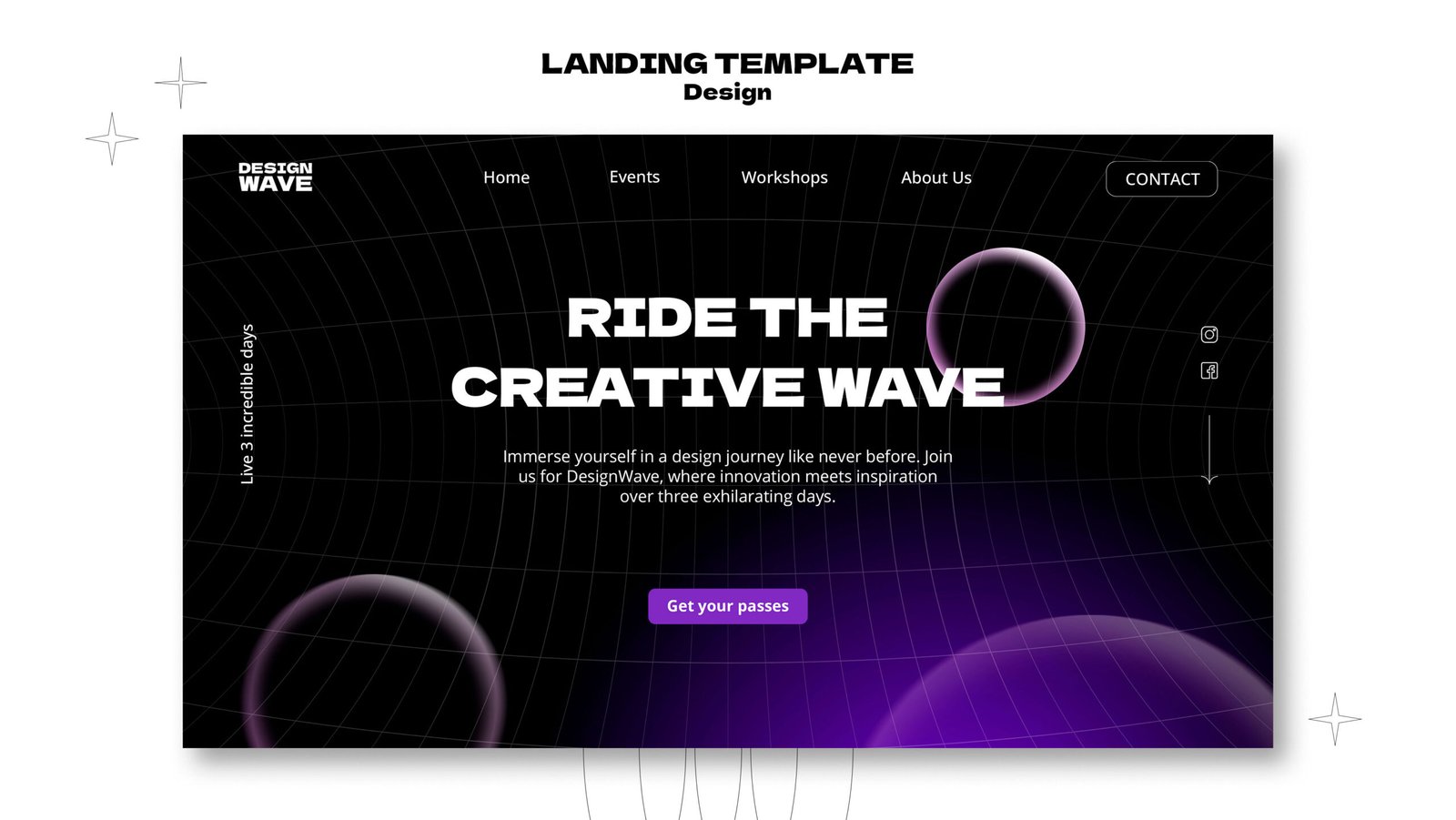
These days, you’ll find dark mode available on every app and device. It has become a common feature. No matter if you are using a smartphone or computer or browsing through apps, it is expected to switch between dark and light themes. It reflects how digital design is moving toward simpler and aims to create more personalized and user-friendly tech experiences.
The various major industries have offered dark mode by making it a default option on their platforms. Here, we are going to walk through the details of how dark mode has reshaped the digital experience and why it continues to gain popularity in today’s modern digital landscape.
Welcome to the Dark Side: Meet Dark Mode.
The dark mode is a display setting and offers a modern alternative to the classic light theme. It replaces the dark background with a light one. At the same time, the text and icons remain light for better visibility. It can be activated manually by the user or set automatically according to the preferences
Today, it is a common feature in major operating systems, apps, websites, and developer tools. Whether you are browsing social media, reading an article, or working on code for hours, it offers a smoother and visually pleasing experience.
Why Dark Mode Matters?
Dark mode is becoming an increasingly popular choice among users, as it is considered a more practical option. It brings comfort and convenience to the daily use of modern devices. Here are some key points that help to understand why dark mode is attracting more users every day.
It limits harsh light exposure during nighttime use, which minimizes eye strain and makes it an ideal option for extended screen time.
It helps to improve battery life by displaying dark colors, particularly on OLED (Organic Light Emitting Diode). and AMOLED (Active-Matrix Organic Light-Emitting Diode) devices.
It improves user concentration by creating a distraction-free workspace, which is especially helpful in working on creative apps, writing platforms, and coding tools.
It gives apps and platforms a sleek, aesthetic look that enhances the overall use and experience.
It is helpful for users dealing with light sensitivity by softening the screen brightness, which gives a soothing visual effect.
Dark Mode in UI/UX Design Trends
Dark mode has become an important part of UI/UX design, as it values user comfort, accessibility, and personalization. Today, users demand a digital platform that knows their needs. Dark mode does just that by offering a more intuitive, user-friendly experience.
From a design perspective, dark mode supports the flat design styles. The dark background naturally draws more attention to the visual and important elements. It improves content organization by allowing users to focus on what matters most.
It also improves visual contrast by making it ideal for experimenting with rich colors. It makes vibrant colors and bold text stand out more effectively and impactful against a darker backdrop. It gives the brand the freedom to build sleek and immersive user experiences that are both engaging and stylish.
Drawbacks to Know Before Going Dark
While dark mode offers many benefits, it also comes with a few drawbacks. Here are some challenges and considerations users should keep in mind.
Low visibility in daylight: A dark theme makes it difficult to read under bright lighting or sunlight, which can lead to eye strain.
Compatibility issues: Certain images and icons are not designed for dark backgrounds and may be less visible.
Accessibility challenges: Poor contrast can affect visibility, especially for users with vision impairments.
Cohesive branding: Designers must preserve the brand tone and aesthetics to keep the elements visually aligned across different themes.
Extra development time: Supporting both light and dark themes requires extra attention and effort in testing UI tuning and upkeep.
Final Word
Dark more has evolved from being a mere trend to a highly anticipated and adopted feature by UI UX designers globally. It has become a standard for enhancing usability and comfort. It is gaining popularity for its eye-friendly display and battery-saving benefits with modern designs. Dark mode stands firmly in its place as an intuitive interface design.
However, adoption and integration of dark mode can be a daunting task for someone with limited design and development knowledge. As there are various elements to consider, from ensuring contrast ratios, colors, and fonts are optimized for readability to maintaining the overall consistency of the website across various devices, browsers, and platforms. Therefore, instead of trying to do it yourself, it is best to consult with a professional web design company, as they cannot just help in simplifying the process. But their knowledge and experience in color theory, UI UX design, and cross-platform consistency might ensure seamless and effective migration.
FAQs
Q1. Should all apps and devices offer dark mode?
No, dark mode is not for all apps and devices, but still, it is increasingly popular among users due to its benefits that allow users to expand their screen time without eye strain.
Q2. Is dark mode healthy for your eyes?
Yes, in many cases, it reduces eye discomfort in low light. But some people find it easier to work in bright conditions.
Q3. Who benefits from dark mode?
It is beneficial for those who prefer to use devices in a low-light environment. It is also helpful for users who have light sensitivity issues and want to reduce eye strain.
Q4. Does dark mode save battery?
Yes, it can boost battery efficiency, as dark pixels consume less power, especially OLED and AMOLED.
Q5. How to hire a trusted web designer in Dubai?
If you want to hire a trusted web designer in Dubai, choose a company that has strong client reviews and makes sure they understand your needs and goals.