Taking practical steps after a fire reduces safety risks, streamlines insurance claims, and preserves treasured possessions. Whether you’re facing soot, smoke, or water damage, this guide provides actionable steps to regain control during a challenging time.
Experiencing a house fire can be overwhelming—emotionally and physically. Reclaiming your life and possessions afterward may feel daunting, but prompt, informed action allows you to salvage more than you might expect. Near the start of your recovery, consider contacting a fire damage restoration service for safe and effective restoration guidance. These specialists bring essential knowledge and equipment to restore your home and belongings where possible, helping you start anew while minimizing losses.
Safety First: Assessing Structural Integrity
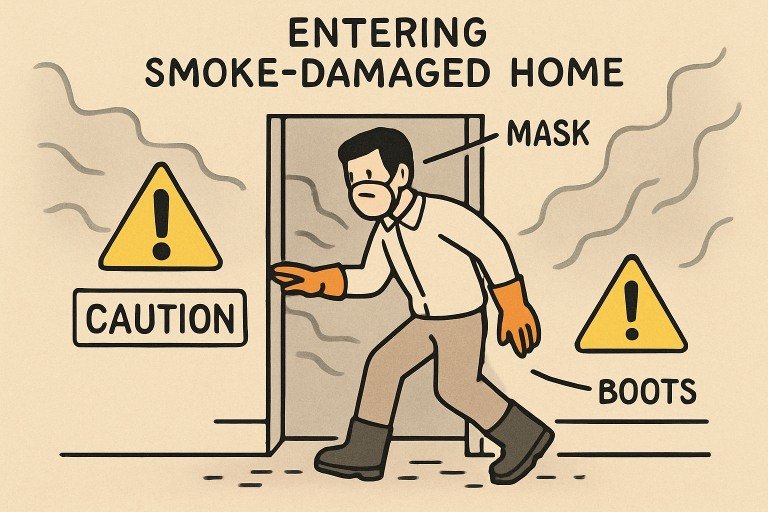
Safety is paramount after a fire, as homes often contain concealed dangers like weakened floors and airborne poisons. Always enter a home after fire authorities confirm safety, wearing sturdy shoes, gloves, and a protective mask. If you notice buckling floors, sagging ceilings, or gas smell, leave immediately and call professionals.
Documenting Damage for Insurance Claims
To ensure a successful insurance claim, take detailed photos of damaged items and structures, including appliances and toys—record video for a comprehensive overview. Create an itemized list with descriptions, estimated value, date of purchase, and damage extent. Collect receipts or pictures of high-value items for efficient claims.
Identifying Salvageable Items
Distinguishing between salvageable and discarded items is crucial for efficient recovery. Washable textiles like clothing, curtains, and bedding can be recovered if not burned. A technician should inspect electronics exposed to heat, smoke, or water before being powered. Wet photos should be handled gently, and books and paperwork should be used with absorbent paper to avoid sticking or staining. Partnering with a professional building restoration service can streamline this process, ensuring that damaged materials are appropriately assessed, treated, and restored whenever possible.
Effective Cleaning Methods for Different Materials
Restoration involves specific cleaning methods for different materials. Use mild soap and water for hard surfaces, avoid harsh chemicals, and rinse before repainting or refinishing. For leather goods, wipe and dry thoroughly, stuff with newspaper to retain shape, and avoid direct heat or sunlight. For books, stand upright, fan out pages, and sprinkle cornstarch to absorb moisture. Remove excess powder after several hours.
When to Seek Professional Help
Professional restoration services are essential for items with significant value, such as antiques, artwork, or electronics. They use advanced techniques and industrial-grade equipment for cleaning, deodorizing, and repairing, often achieving results impossible with DIY methods. They also handle hazardous materials and structural repairs.
Preventing Future Damage
To minimize future fire-related losses, install smoke detectors in every room, test them monthly, and replace batteries biannually. Keep fire extinguishers in key locations and teach family members how to use them. Develop a fire escape plan and store vital records in a fireproof safe or digital backups. Recovering a fire requires immediate, well-informed actions, safety, thorough documentation, effective cleaning methods, and professional services. With perseverance and the right approach, you can restore your possessions and peace of mind.