Water is a precious resource, and reducing water consumption not only lowers your utility bills but also benefits the environment. With a few strategic changes to your habits and home, you can significantly cut down on water usage without compromising comfort or convenience. Here are some practical tips to help you save on your water bills.
Fix Leaks Promptly
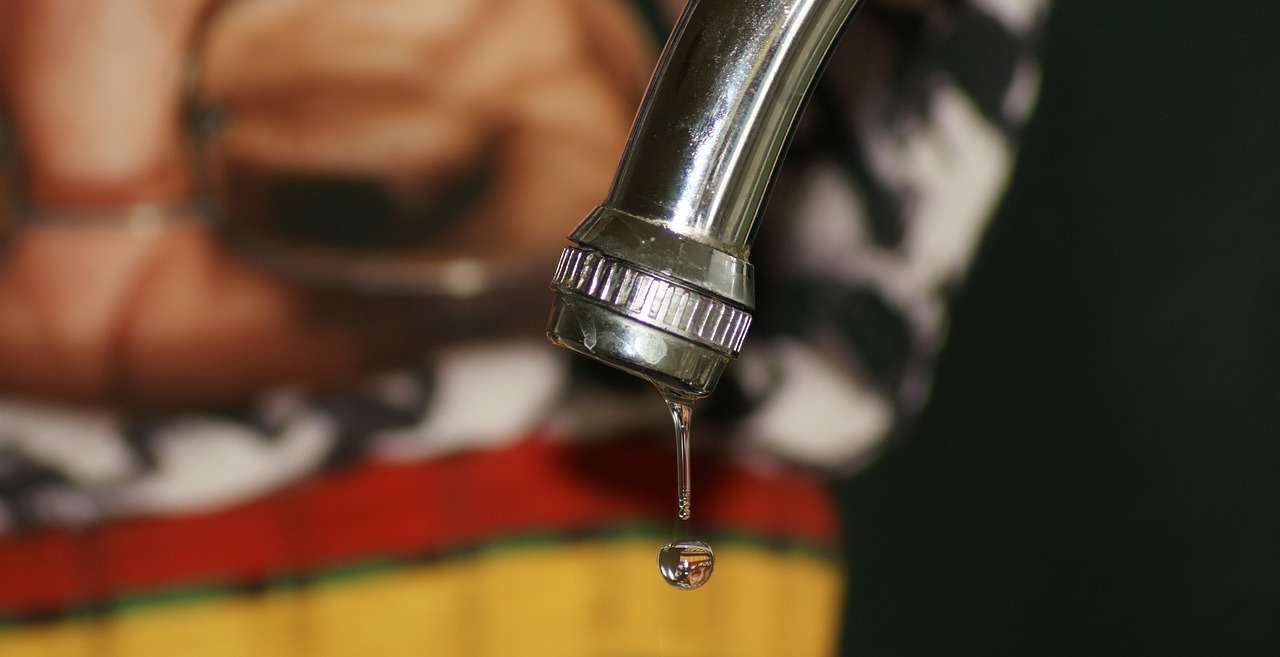
A dripping faucet or a running toilet might seem like a minor issue, but these leaks can waste thousands of gallons of water annually. Fixing leaks promptly is one of the easiest and most effective ways to save water. According to the Environmental Protection Agency (EPA), household leaks account for nearly 10,000 gallons of wasted water each year in the average home. Regularly check pipes, faucets, and toilets for leaks and repair them as soon as possible to prevent unnecessary water loss.
Invest in Water-Efficient Fixtures
Installing water-efficient fixtures such as low-flow showerheads, faucets, and dual-flush toilets can significantly reduce water usage. These devices use advanced technology to maintain performance while using less water. For example, a low-flow showerhead can cut water usage by up to 50% without sacrificing water pressure. Similarly, dual-flush toilets allow you to use less water for liquid waste and more for solid waste, optimizing efficiency.
Be Mindful of Water Use Outdoors
Outdoor water usage can quickly increase your bills, especially during warmer months. To save water, consider watering your lawn early in the morning or late in the evening to reduce evaporation. Use a rain barrel to collect rainwater for irrigation and choose drought-resistant plants for your garden. Additionally, ensure your sprinklers are properly aligned to avoid wasting water on sidewalks or driveways.
Bathroom Renovations for Water Efficiency
Upgrading your bathroom is an excellent opportunity to improve water efficiency and reduce bills. For homeowners considering bathroom renovations in Sydney, replacing outdated fixtures with modern, water-saving alternatives can make a significant difference. Install WaterSense-certified toilets that use 20-60% less water per flush, or opt for touchless or low-flow faucets for everyday tasks. Additionally, a tankless water heater provides on-demand hot water, reducing the energy and water wasted while waiting for taps to heat up. These renovations not only cut your water consumption but also increase the comfort and value of your home, making them a smart investment for Sydney residents seeking to combine functionality and sustainability.
Adopt Smarter Laundry Habits
Washing machines consume a significant amount of water, so it’s essential to use them efficiently. Wash full loads whenever possible, as partial loads use almost the same amount of water. Additionally, consider upgrading to a high-efficiency washing machine, which uses up to 50% less water compared to traditional models. When handwashing delicate items, fill the sink or a small basin instead of letting the water run continuously.
Read More: Google Images Huckleberry Finn Illustrations Corncob Pipe
Turn Off Taps When Not in Use
It’s easy to overlook the amount of water wasted when leaving the tap running. Simple changes like turning off the faucet while brushing your teeth, shaving, or scrubbing dishes can save gallons of water daily. Teach all household members these habits to make a collective impact on reducing water usage.
Collect and Reuse Water
Repurposing water is a great way to reduce waste. Collect water from tasks like rinsing fruits and vegetables, and use it to water plants. If you have an air conditioning unit, the condensation it generates can also be reused for non-potable purposes such as cleaning or gardening. These small steps can add up over time and contribute to significant savings on your water bill.
Conclusion
Lowering your water bills doesn’t require drastic changes to your lifestyle. By addressing leaks, upgrading fixtures, and adopting water-saving habits, you can significantly reduce water consumption and costs. Bathroom renovations, in particular, offer a great opportunity to enhance efficiency and save in the long term. Start small with changes like turning off taps and fixing leaks, and gradually implement larger upgrades like water-efficient appliances. Not only will these steps help you save money, but they will also contribute to a more sustainable future.