Introduction
Crop production plays an important role in food security around the world, but is constantly under threat from diverse disease organisms that can significantly decrease yield and quality. Soils can be the source of fungi, bacteria, viruses, and soil-borne organisms that can cause significant losses for farmers during favorable soil conditions. Ensuring productive agricultural systems requires understanding the onset of these diseases, as well as ways of preventing them. When properly managed, disease prevention will not only benefit crop production, it will also lower the cost and environmental impact of applying unnecessary high amounts of chemicals. When used in conjunction with knowledge, the practical field strategies help farmers keep diseases to a minimum and have healthier crops during the season.
The Symptoms and Signs of Plant Diseases
The complex of biological, environmental factors that favor pathogen development is the main cause of crop diseases. The most common causes are fungi, including rusts, mildews and blights, which flourish in humid and warm conditions. Through the natural openings or wounds of plants, bacteria can cause wilting, spots on the leaves and rotting of plant tissues. Often infected through insect vectors such as aphids and whiteflies, and the symptoms of viruses include stunted growth and abnormal leaf patterns. Other factors that increase the risk of disease outbreaks include poor soil health, too much moisture, and too many plants in the same location. Symptoms are related to the pathogen type and typically include leaf yellowing, necrotic spots, leaf curling, plant leaf wilt and loss of plant vigor, and reduced fruit size. Many diseases have an internal beginning which is not noticeable, making early detection difficult. Knowing these factors and signs allows farmers to take timely action that will minimize spread and limit the impact to minimum yield losses.
1. Widespread planting of disease resistant cultivars.
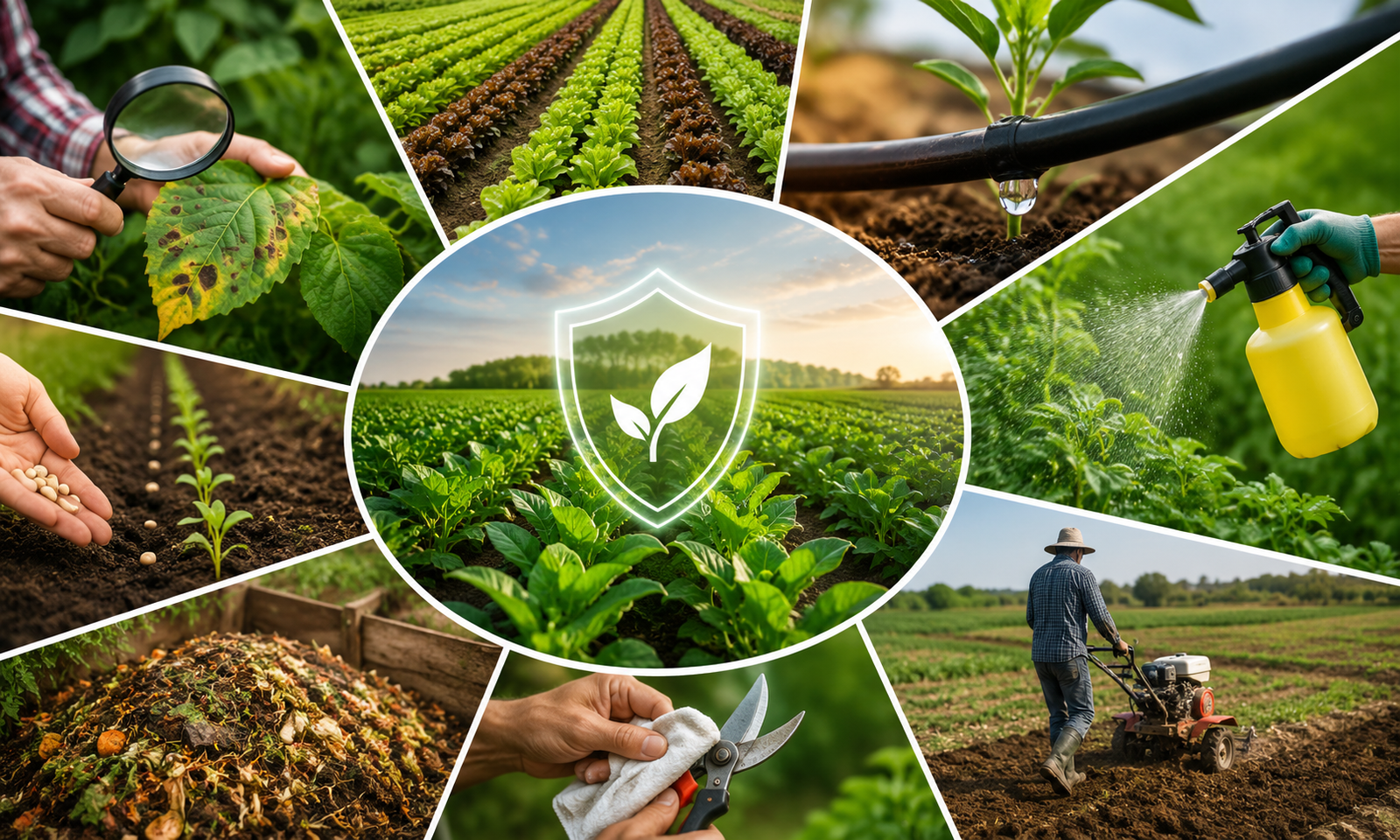
The selection of disease resistant varieties is one of the most promising means of combating crop diseases. Improved crop varieties are available that withstand certain pathogens and so are less likely to be infected, even with high disease pressure. These resistant varieties are especially valuable in geographical areas where diseases are endemic and hard to control using culture techniques. For instance, the use of resistant varieties of maize, rice and wheat can drastically minimize losses due to rusts, blights and mosaic viruses. Resistant varieties are not rainproof, but they retard the rate of disease below the level expected and provide some protection for the farmer, providing increased potential for stable yields. Farmers need to know that with good information on the agromorphs of their varieties, the well-adopted varieties of their ecological location and the varieties recommended by the agricultural extension they might choose should be suitable. The use of both genetic resistance and sound farm management practices provides a solid base for anticipation of long-term disease control and sustainable crop production.
2. Crop Rotation for Disease Disruption
Crop rotation is an effective method of reducing many soil borne pathogens and is important in agriculture. Pests and diseases that are host-specific to the crop build up in the soil over time if the same crop is cultivated successive years in the same field. Crop rotations involving different plant families will help reduce pathogens’ numbers and ability to survive. Crops can also be alternated with legumes or crops other than host to minimize accumulation of fungi and bacteria that cause problems on certain crops. Crop rotation also enhances the soil’s fertility since different crops supply different amounts of organic matter, and have different uptake patterns. Variability in seeding ensures lower disease build up and improved soil structure and productivity. To plan rotation effectively, the disease history for each field needs to be known and crops need to be chosen based on what pathogens they have in common. This practice will eventually help to lower the incidence of disease and to promote balance and sustainability in farming systems.
3. Field Sanitation and Hygiene Practices
Good sanitation in the field is important in controlling the spread of crop diseases. Sanitation is a control measure of major importance because many pathogens are known to survive for long periods in weeds, crop residues and contaminated tools. Infected plants should be regularly pulled from the ground and disposed of properly by burning, controlled composting or deep burial. Washing of farm equipment like pruning shears, harvesting machinery and hoe are also ways of avoiding mechanical spread from plants to field. Another major consideration of sanitation is weed control because weed plants are frequently acting hosts of disease and insect vectors. Keeping the farm environment clean reduces the chances of disease establishment and spread during the growing season. Crop spacing also facilitates air circulation, minimising humidity and hence mould growth potential. Good hygiene will result in unfavourable conditions for disease organisms and greatly minimise the chances of mass injections.
4. Integrated Pest and Disease Management (IPM)
Integrated Pest Management (IPM) is an integrated and holistic approach involving use of a combination of biological, cultural, physical and chemical control strategies to control pests and diseases in an integrated and sustainable manner. IPM seeks not just to depend only upon pesticides, but to gain knowledge of pest and disease life cycles and to achieve reductions in damage through the use of multiple control methods. Biological control uses natural enemies like beneficial insects or disease-inhibiting microbes to keep disease-causing organisms under control. Reduced vulnerability to infections due to cultural practices such as crop rotation and proper planting times. Baits and barriers are also physical controls that may reduce the spread of pests. Chemical control is only exercised when vital and not in a broad-spectrum manner to prevent development of resistance. Monitoring is an important part of IPM; searching for indications of a problem and taking action when the need arises. Combination of these techniques may help environmentally responsible agriculture on the farms with a conservationist approach while actually reducing production cost and limiting damages to the environment.
5. Soil Health Management and Fertility Improvement.
Healthy soils are an important part of controlling crop diseases because they strengthen plants to grow in a natural way and therefore increase resistance. Control of disease-causing pathogens by competition and biological activity is associated with soils with a high organic matter content and a highly active biological component. Soil health can be enhanced through addition of compost, manure and green manure crops that plants improve nutrient availability and soil structure. The other equally important piece of the diet is balanced fertilization, because plants will have more problems with fungal infection if there is an excess of nitrogen. Care should be taken to regularly check soil pH as high pH or low pH can reduce plant resistance and allow the survival of pathogens. Good drainage is also critical as this leads to root rot. Farmers keep soil fertile and biologically active to build the soil’s resilience. With time healthy soils minimise the occurrence of disease and use less chemical solutions, maintaining sustainable agricultural production.
6. Water Management and proper irrigation practices
Proper use of water can be a crucial component of disease control, particularly with diseases of fungi and bacteria which thrive in moist conditions. If waterlogging occurs (as a result of over-irrigation or poor drainage), the roots become weak and are prone to root rot and damping-off diseases. However, under water shortage, plants are under stress and are exposed to infection. Improved irrigation techniques (drip or sprinkler irrigation) that bring water up to the root zone without flooding leaves and other above-ground vegetation should be used. Irrigation management should be timed to fit crop requirements, soil type and weather and ensure that any pathogens are not encouraged. Also, watering should be done early in the day to ensure that any excess moisture is able to evaporate before nightfall which decreases risks of fungal growth. Managing water can help reduce the likelihood of disease outbreaks, as well as promote better nutrient uptake and plant health that result in better plants throughout the season.
7. Early detection of pollution and hazardous materials
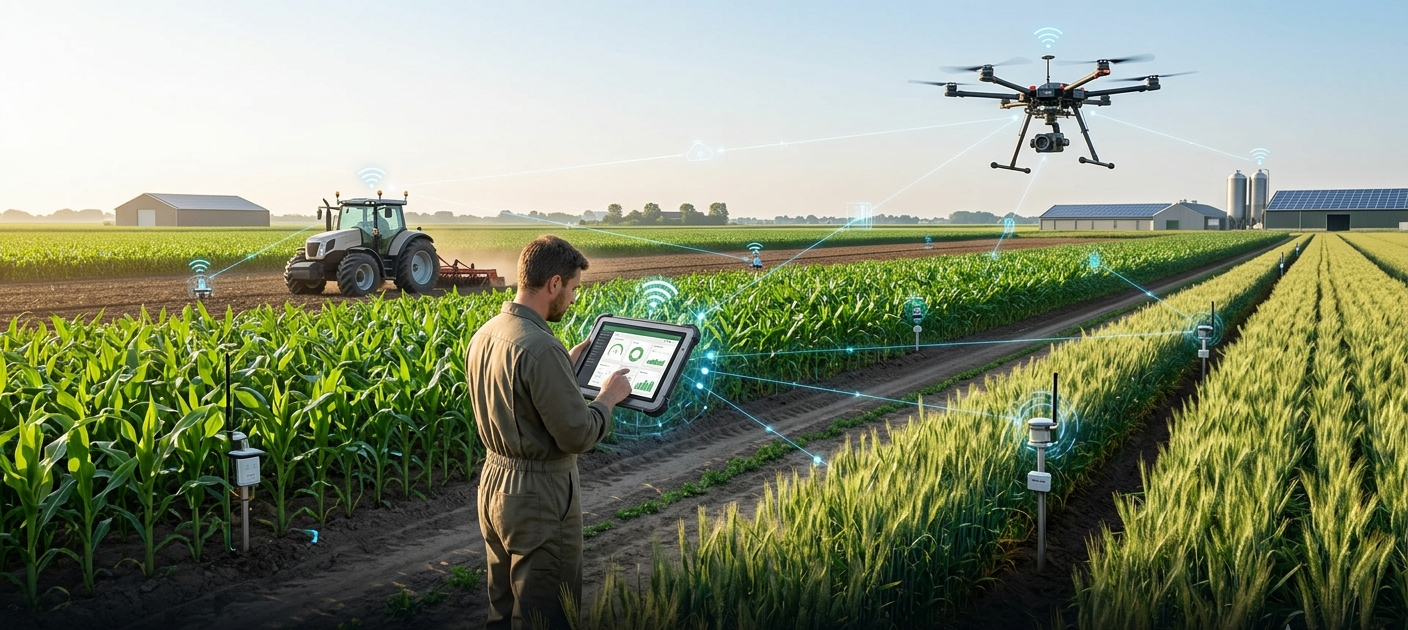
Quick identification of pest and disease causing organisms is crucial in limiting losses and reducing wide-spread infestations. Through regular scouting in the field the farmer can detect early signs of the disease – for example leaf discoloration, strange spotting and stunted growth. Monitoring needs to be carried out in a systematic way in various regions of the farms in order to have no neglected infected section. Agricultural information applications can also support farmers to detect diseases more accurately using image recognition and expert assistance, through their mobile communication devices. As soon as symptoms are observed, immediately isolate infected plant(s) and stop spread. Maintaining disease records will help farmers to determine disease trends and modify their disease management plan. Early intervention can make the difference between minor loss and major yield losses. Building a monitoring system in place will enable farmers to address threats promptly and help them keep their crops healthier throughout the growing process.
8. Good use of chemical control measures
Chemical control can be used when cultural or biological control is inadequate, but is an important control method when severe outbreaks of crop disease are expected. Chemicals should be used appropriately and only in a combined chemical management program to control fungi, bactericides, and other chemicals. Using chemicals inappropriately or excessively can cause problems with developing resistance to the chemicals themselves, contamination of the environment, and rising production expenses. Applying correctly and at the recommended time/frequencies are crucial to effectiveness, and to reducing risks to farmers. Chemical rotation is also essential because of the possibility of resistance build-up. Personal strategies for safety should be used during application when using protective gear. Chemical treatments can be effective when applied properly at the right time to control disease epidemics quickly and help prevent other diseases from occurring during susceptible developmental phases. But they must always be used in conjunction with preventive cultivation methods like crop rotation, sanitation and resistant varieties.
Conclusion
In order to effectively prevent crop diseases, more than one strategy is required, and it must be comprehensive and proactive. Whether choosing resistant varieties and practicing crop rotation, practicing environmental at the soil level or keeping healthy soils with efficient pest management techniques, these methods are key to minimizing disease pressure. The use of chemicals judiciously, early detection and good irrigation practices and sanitation also play an important role in empowering a farm to fight off outbreaks and stay productive. The 8 strategies can greatly help alleviate losses from big diseases of crops and help achieve more sustainable agricultural systems with better health. Its future success is not just about taking part in responding to disease problems in the field, it is also about creating sustainable systems that help reduce the likelihood of the occurrence of such problems.