Introduction
During the last few decades, the poultry industry has developed at an amazing speed and now it is one of the most significant of the agriculture sector and one of the largest employed industries in the world. With the demand for eggs, broilers and other poultry products continuing to rise, poultry farmers are always challenged to produce more, ensure high animal welfare standards and generate maximum profits. Small farms will generally fare better implementing more efficient farming practices with high levels of precision, which traditional methods may not be able to deliver. Here, the agricultural technology poultry sector comes as a game-changer solution.
Even the feeding and housing management systems, along with poultry health monitoring and record-keeping, are all being revolutionized by technological innovations in poultry farming operations. Routine tasks on the farm can now be automated, real-time data can be collected, and farmers can make informed decisions to help their flocks perform at their best and conserve resources such as labor costs. The new developments increase not only production efficiency, but also promote sustainable agriculture and profitability.
In this article, we will delve into seven key areas highlighting how modern technology is reshaping poultry farm operations and empowering producers to succeed in today’s competitive agri-industry.
- Automated feeding system
The introduction of automation in poultry feeding is a major advancement in contemporary poultry production. Feed is the single biggest cost in production of poultry and good management of this feed is vital for profitable poultry production. Manual feeding can be labour intensive and lead to feed wastage, inconsistent feed distribution and bird growth.
Automated feeding systems are designed to provide exact feed weights at times they are programmed. These systems rely on sensors, timers and computer control to provide the correct amount of feed at the appropriate time to the birds. Consequently, feed use efficiency is increased and the producers can cut down feed wasteage, significantly.
Automated systems also contribute to consistent growth among the birds as well as greater efficiency. If birds are fed uniformly the competition inside the flock is less and poor birds get sufficient food. This results in higher hen health, better feed efficiency and increased production.
Additionally, farmers can benefit from lower labor resources since feeding operations can be done with little need for human interaction. Automation in a poultry farm enables the farmers to concentrate on other crucial areas of the farm and optimise operational costs.
- Climate Controlled Housing
The welfare of the poultry and their production are closely dependent on the external environment. Temperature, ventilation, humidity, and air quality affect feed intake, growth, egg production, disease susceptibility, etc.Feed Intake, Growth, Egg production, and susceptibility to disease, among other factors are directly affected by the factors of temperature, humidity, ventilations, and air quality. It can be difficult to monitor environmental conditions to ensure they are optimal, particularly in areas with variable weather conditions.
Contemporary control systems for houses include various temperature and precipitation sensors, automatic ventilating equipment, cooling pads, heaters, and electronic and computer control systems to maintain optimal conditions for the poults in the house. These technologies continuously monitor information on the environment and make adjustments according to the information it has, so that as long as birds are in the environment, they are comfortable throughout the production cycle.
Appropriate thermal management can help reduce the risk of heat stress and cold stress, potentially affecting productivity. In hot weather, automated cooling systems help to lower the temperature of the house and increase airflow, which results in a mortality reduction and maintains a steady level of feed consumption. Heating systems ensure consistent temperature conditions in colder weather, helping plants grow and develop healthily.
Better environment control also improves bird health, well-being, reduces diseases of stress and promotes improved feeding efficiency. Stable home conditions are essential for helping achieve greater production by farmers with fewer losses from environmental fluctuations.
- Digital Record-Keeping
Good record keeping is important in the management of the poultry farm. The traditional method involved handwritten logs which would record eggs, financial transactions and mortality rates, medications and consumptions of feed by the farmers. Manual record-keeping processes are easy to use but sometimes take too long and cause mistakes.
Over the years, poultry production has given rise to the shift in the way farm information is kept electronically. Producers can also access, organize and process information on the fly, as they access a variety of farm management software, mobile and Cloud based platforms. These products offer real-time access to the data, historical records and performance metrics, which support informed decision-making.
Digital systems can alert farmers of problems before they become significant, as they can offer immediate insights on trends, production efficiency and more. For instance, sharp changes in feed intake or bird deaths may be an immediate cause for investigation and remedial action. Such forward thinking can lead to an enhanced flock performance and loss of money.
Also, digital records streamline regulatory compliance and reporting requirements. Farmers can produce comprehensive reports to help with audits, certifications, and business planning, and can save hours of reviewing information manually. Efficient data management—what is another asset that can be attributed to modern technologies in poultry production?
- Health Monitoring Tools
One of the most serious problems of poultry producers of all countries is disease outbreaks. The infection may progress quickly through a flock resulting in considerable economic losses from these causes: death, decreased production, and treatment expenses. Encouraging early recognition and speedy response is essential for proper disease control.
Farmers now have a wealth of tools available on modern health monitoring technology to continuously monitor health in birds. Data is being gathered regarding bird range of motion, physical locations, feeding behaviors, and environmental conditions using sensors, cameras, wearable devices and artificial intelligence. Such systems are able to detect many abnormalities that might be signs of disease.
For instance, variations in activity, water use or feeding habits can be identified even prior to the onset of apparent symptoms. Incorporating advanced monitoring systems into agriculture can provide farmers with alerts and allow them to act on possible changes. Infected birds are kept in a separate area and outbreaks are treated early to minimize the extent of any outbreak and spread of infection within a flock.
Some technologies also incorporate laboratory testing and diagnostic tools, which will likely facilitate the quick identification of pathogens that cause disease. Farm biosecurity and vaccination campaigns can significantly enhance flock health management and minimize production risk when combined with health monitoring systems.
- Precision Farming Technologies
Precision farming is growing in significance in poultry management. It is a method that uses data-driven technologies to take the best possible advantage of resources and augment production efficiency. Precision farming tools gather and process data from the many farm activities undertaken to enable the farm producer to make informed decisions about conducting their farming.
The temperature, humidity, ammonia, feed levels and water levels in poultry houses can be measured by sensors throughout the house. The data these sensors collect is sent to central software platforms that offer in-the-moment data about farm performance.
The data can help farmers identify areas for inefficient production practices and implement efficiencies as a result. For example, unusual change in the quantity of water used can result from equipment leaks or health problems in the flock. Likewise, analyzing feed consumption patterns can optimize feeding schedules and minimize feed waste by ensuring optimal diet and nutrient levels.
Another benefit of precision farming is reducing unnecessary resource use, which also contributes to sustainability. Feed, water and energy and labour efficient management means lower the cost of operation and minimise environmental impacts of poultry production. Precision agriculture will play an even more significant role in the future as sustainability is increasingly becoming a concern in agriculture.
- Software to monitor egg collection and processing
Egg production often involves lots of hand labour in the collection, sorting, grading and packing of eggs. Manual handling not only adds to labour costs, but also highlights the risk of egg breakage and contamination. These processes have undergone transformations with the aid of technological innovations, namely automation.
There are automated egg collection systems which use conveyor belts and specialized equipment to move eggs directly from nesting areas to processing areas. This decreases the necessity of manual collection of eggs and decreases egg breakage. Collected eggs are automatically cleaned, sized and sorted and packed according to size and quality requirements.
Automation accelerates automations and minimizes human error, thus enhancing efficiency. Farmers have opportunities to run their farms more on a scale of larger production even while having smaller labor expenses. Consistent grading standards also enhance product quality and customer satisfaction.
Apart from production benefits, automation of egg handling enhances the biosecurity aspects of handling eggs by reducing contact with products. Fewer handlings means less chance of contamination and to maintain food safety. For commercial egg producers wanting to be competitive in today’s market, these benefits of automation make it a worthwhile investment.
- Remote monitoring and smart farming management
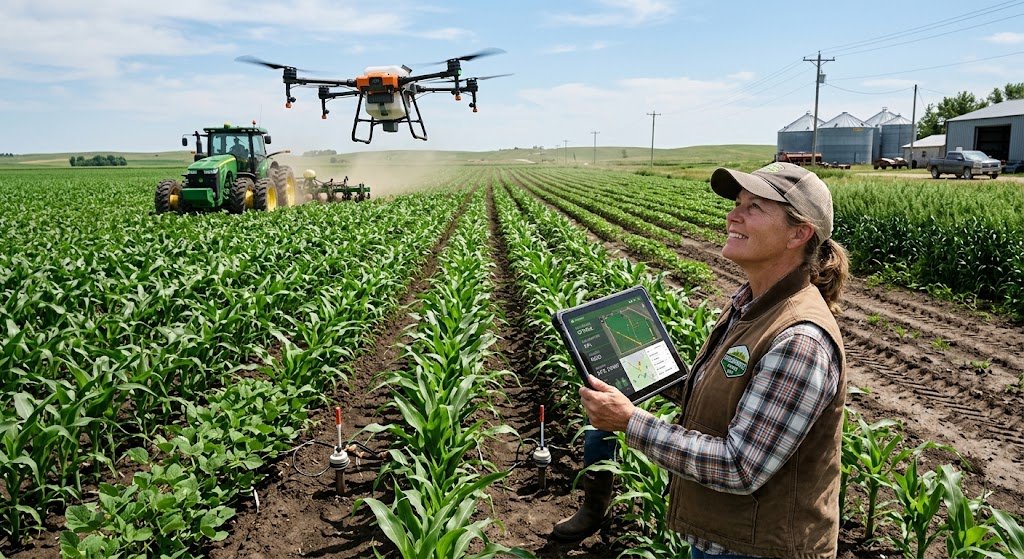
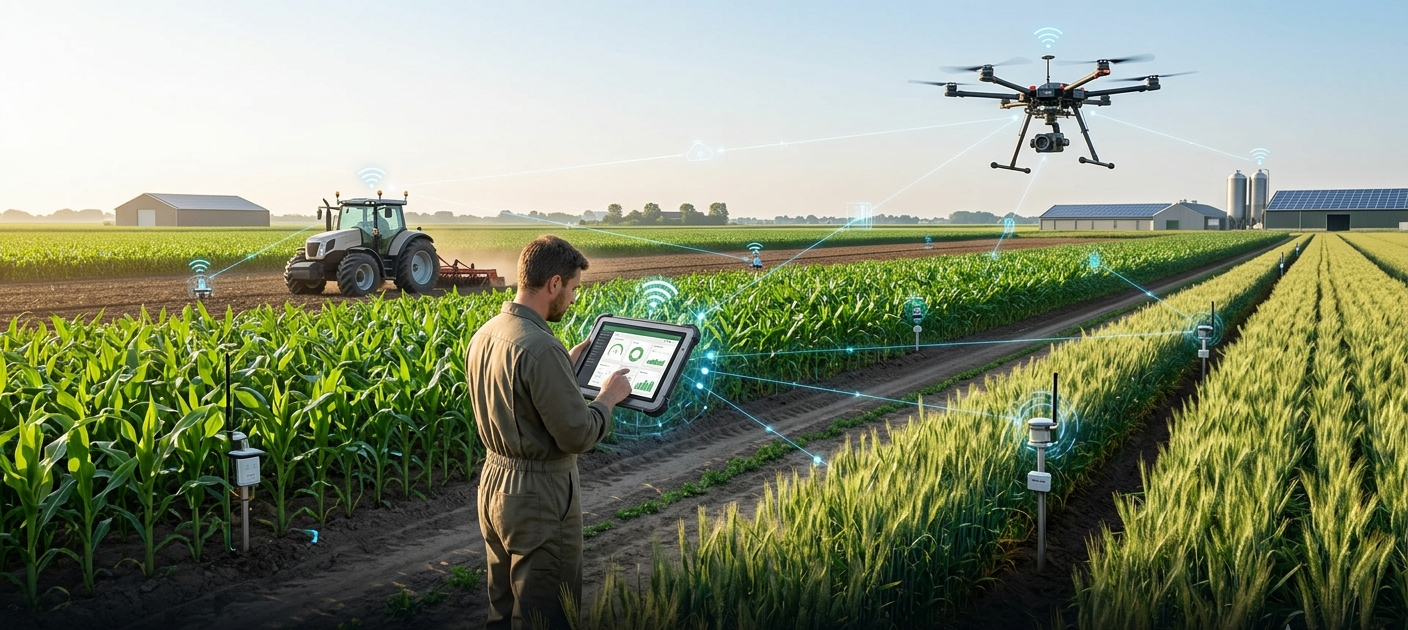
Poultry producers have seen new levels of convenience and control in the modern era of smart farming, as devices and technology become more and more connected to the internet. With remote monitoring systems, farmers can manage farm operations from just about anywhere by connecting to their smartphones, tablets or computers.
The data of Internet of Things (IoT) devices captures real-time data from the poultry houses and reports to the management platforms in the cloud. Farmers can track equipment performance, feed inventory, water systems, and bird health, as well as environmental conditions all without leaving the farm.
In the event of any problem (e.g. if the system is unable to provide ventilation or if there is a temperature change), the system sends alerts in real time to the farmer’s device. That will allow you to act quickly and keep small issues from becoming big losses. Operational data is real-time and provides and better foundation for decision making and on-farm management efficiency.
Additionally, remote monitoring can help to optimize the use of human resources, which reduces the amount of time spent on monitoring work site conditions and hazards. During periods of high production, several houses can be kept under one roof maximizing productivity and ensuring constant production from house to house. With the ever-changing nature of smart farming technologies, remote control management will become even more advanced and available.
Conclusion
Poultry farming has undergone a significant transformation in the era of modern technology, and its impact is evident on all aspects of the industry.In the modern era, technology is changing the face of poultry farming and presents a myriad of possibilities for improved efficiency, productivity and profitability. Technology is a game-changer for poultry producers, addressing traditional pain points and ensuring they are able to meet rising market demands, from automated feeding systems to climate-controlled housing, digital record-keeping, and advanced health monitoring tools.
By incorporating agricultural technology into poultry farming, companies can make informed decisions, decrease worker time expenses, make the best use of resources, and enhance flock wellbeing. Efficient automation of egg collection and precision farming technologies, along with remote monitoring systems, contribute to further operational efficiency and sustainable farming practices.
With continued advancement of technology, poultry producers who are innovative will be better prepared to compete and succeed in the future. For producers aiming to achieve the highest outputs in the fast-changing agricultural world, there is no longer a luxury of investing in modern solutions. These technologies can help a generation of poultry farmers become more productive, resilient and profitable for years to come.