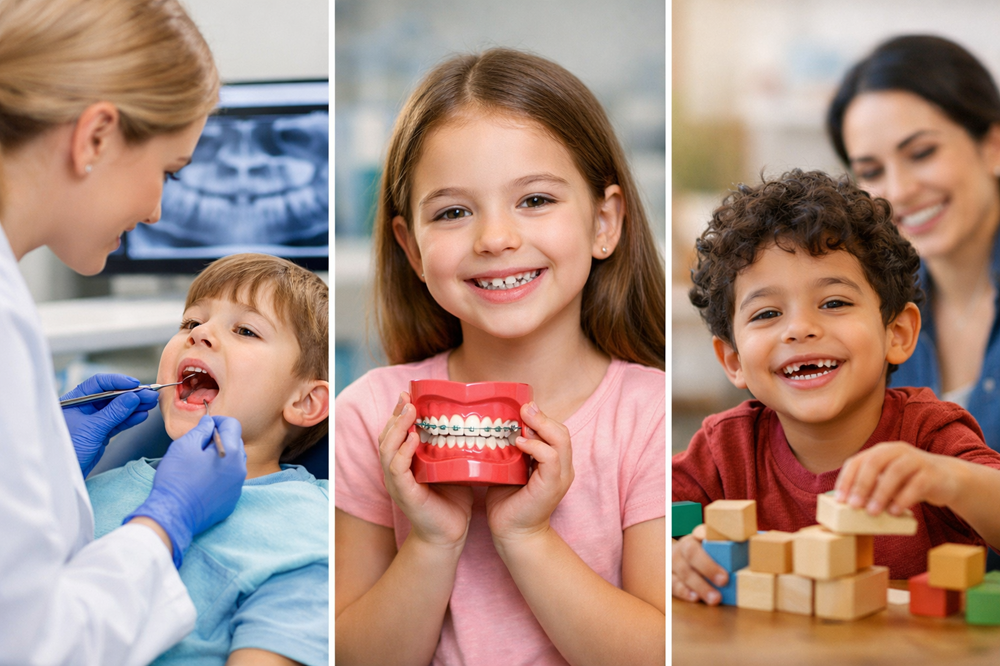
Your child’s smile holds more than teeth. It shows how they breathe, sleep, and grow. Early orthodontic screenings help you see problems before they turn into pain, teasing, or costly treatment. Many parents wait until all adult teeth come in. That delay can close a window of growth when small changes guide the jaw and teeth into healthier positions. Early screenings are simple. You get clear answers and a plan. A dentist in LA can check how your child bites, how their jaw grows, and whether habits like thumb sucking are harming their mouth. This check can prevent crowding, reduce tooth damage, and support clear speech. It can also protect your child’s confidence during hard school years. You do not need to wait for crooked teeth. You can act now, ask questions, and choose what fits your child’s needs.
Reason 1: Early checks protect growth and breathing
Your child’s jaws grow fast during the early school years. That growth shapes the airway, tongue space, and face. When teeth or jaws do not line up well, your child may snore, breathe through the mouth, or grind teeth at night. These signs can link to poor sleep and tired days.
The American Association of Orthodontists advises that children have an orthodontic check by age 7. At this age, adult front teeth and first molars often appear. That mix of baby and adult teeth gives a clear picture of how the bite is forming.
During an early screening, the dental team can:
- Watch how your child breathes through the nose or mouth
- Check for crossbites that twist the jaw
- Look for open bites from thumb or finger sucking
These checks do not just focus on looks. They help protect chewing, clear speech, and calm sleep. When problems show up early, gentle guides like expanders or simple habit tools can steer growth. That often means less strain on the jaw and neck as your child grows.
Reason 2: Early care can shorten or lighten later treatment
Many parents fear long years of braces. Early screenings can reduce that risk. When a provider steps in while the jaw is still growing, small changes can clear space for adult teeth. That can prevent severe crowding or tooth removal later.
The American Dental Association explains that early care can guide jaw growth and lower the chance of injury to front teeth that stick out.
Here is a simple comparison of treatment paths.
| Timing | Age range | Common needs | Typical time in braces | Chance of tooth removal |
|---|---|---|---|---|
| With early screening and early care | 7 to 9 for first phase | Guiding jaw growth and fixing crossbite | Shorter second phase, often 12 to 18 months | Lower, because space can open early |
| Screening delayed until all adult teeth | 12 to 14 for first visit | Severe crowding and rotated teeth | Longer full braces, often 18 to 30 months | Higher, because jaw growth is mostly done |
Every child is different. Still, early checks often mean three gains. You get fewer surprises. Your child may need fewer office visits. Your family often faces fewer hard choices, such as pulling permanent teeth.
Reason 3: Early support protects confidence
Childhood and early teen years can feel harsh. Teeth that stick out or do not meet can draw stares and cruel words. Early screenings give you a chance to protect your child’s sense of self before teasing starts or grows.
Teeth that fit together help your child:
- Chew a wider range of foods with comfort
- Speak more clearly in class
- Smile during photos and social events
When you choose early screening, you send a strong message. You show that your child’s comfort and voice matter. You also give them time to get used to the dental team and tools while they are still young. That can calm fear and reduce stress for later visits.
What to expect during an early orthodontic screening
You may worry that an early screening will feel long or rough. In truth, these visits are simple. They focus on three steps.
- Talk. You share your child’s habits, sleep patterns, and any pain.
- Look. The provider checks teeth, gums, jaw joint, and bite.
- Plan. You hear if your child only needs checkups or could benefit from early care.
Sometimes the plan is to watch growth once a year. Other times, the plan may include short early treatment. Either way, you leave with clear next steps instead of guesswork.
How to act now
You do not need a referral to ask for an orthodontic check. You can start by:
- Calling your child’s dental office and asking about an age 7 screening
- Bringing notes on snoring, mouth breathing, or jaw pain
- Asking for clear explanations in simple words
Early orthodontic screenings give your child three strong gifts. They protect growth and breathing. They ease or shorten later treatment. They guard confidence during rough school years. You cannot control every part of your child’s health. Yet you can choose this step and open a safer path for their smile and daily life.