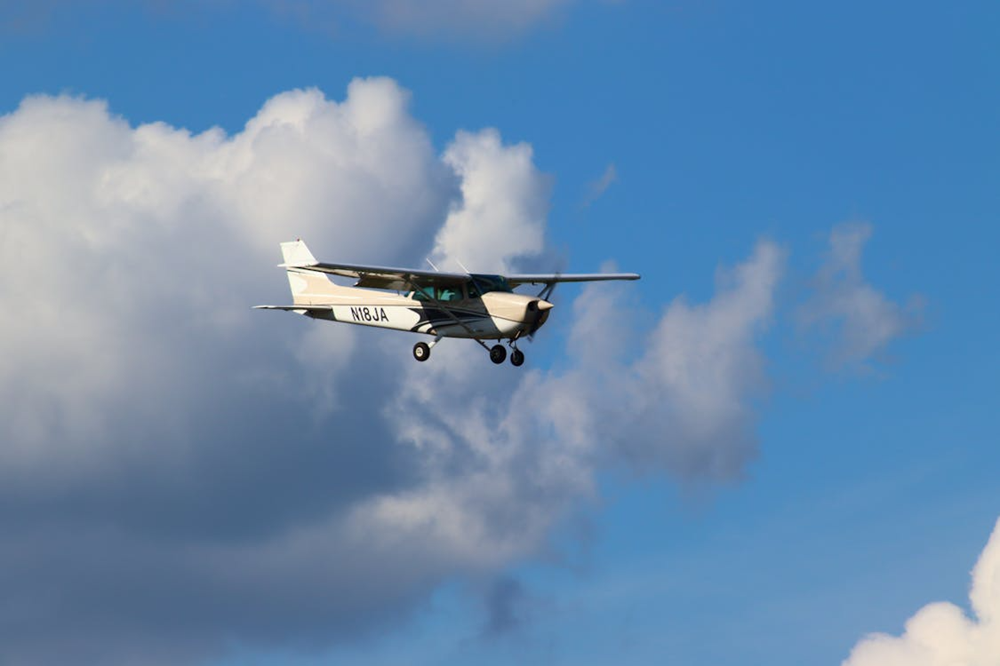
Aircraft ownership is a significant investment, and protecting that investment requires more than routine mechanical maintenance. While inspections and servicing ensure airworthiness, regular detailing plays a critical role in preserving the aircraft’s structural integrity, appearance, and long-term value. Detailing is not just about aesthetics—it is a preventive measure that helps combat environmental wear, supports safety, and reduces costly repairs over time. For owners committed to maximizing the lifespan of their aircraft, detailing should be a consistent part of their maintenance strategy.
Preventing Corrosion and Surface Degradation
Aircraft operate in environments that expose them to harsh elements such as UV radiation, moisture, salt air, and industrial pollutants. These factors can accelerate oxidation and corrosion, particularly on metal surfaces and fasteners. Left unchecked, corrosion can compromise structural strength and lead to expensive repairs.
Regular detailing removes contaminants before they cause permanent damage. Professional detailers apply protective coatings and sealants that act as barriers against moisture and chemical exposure. This proactive approach helps maintain paint integrity and prevents corrosion from taking hold, ultimately extending the life of the aircraft’s exterior.
Enhancing Inspection Accuracy and Safety
Clean surfaces are essential for accurate inspections. Dirt, grime, and residue can obscure cracks, leaks, or early signs of wear that inspectors need to identify during routine checks. By keeping the aircraft clean, detailing supports maintenance teams in spotting potential issues before they escalate into safety hazards.
Exterior detailing also ensures that critical components such as landing gear, control surfaces, and sensors remain free from obstructions. Clear windscreens and lighting systems improve visibility for pilots, reinforcing operational safety. Using specialized tools and aviation-approved products ensures that cleaning enhances safety rather than introducing risk.
Preserving Interior Comfort and Material Quality
The aircraft interior experiences constant use, especially in high-frequency operations. Leather seats, carpets, and panels can deteriorate quickly without proper care. Interior detailing cleans and conditions these materials, preventing cracking, fading, and premature replacement.
Cabin air quality also benefits from regular detailing. Dust and contaminants in vents and surfaces can accumulate over time, affecting both comfort and health. A clean, well-maintained interior creates a positive passenger experience and reflects professionalism, which is especially important for corporate and charter operators.
Supporting Operational Efficiency and Aerodynamics
Surface cleanliness impacts more than appearance—it influences performance. Dirt and oxidation increase drag, which can subtly affect fuel efficiency and aerodynamic flow. Polished, smooth surfaces reduce resistance, helping the aircraft operate at optimal performance levels.
Professional detailing also includes attention to components that affect mechanical efficiency. Removing buildup from hinges, actuators, and landing gear ensures these parts function smoothly, reducing wear and extending service life. This attention to detail contributes to overall operational reliability.
Investing in the Right Tools and Expertise
Not all cleaning methods are suitable for aircraft. Using improper products or techniques can damage sensitive materials or interfere with protective coatings. Professional detailers rely on aviation-approved solutions and specialized equipment to achieve safe, effective results.
For example, ground support tools like the quality alberth mobile mule streamline detailing operations by providing mobility and stability during exterior cleaning and polishing. Investing in the right equipment and experienced professionals ensures that detailing enhances longevity rather than causing unintended harm.
Conclusion
Regular aircraft detailing is far more than a cosmetic practice—it is a strategic investment in safety, performance, and long-term value. By preventing corrosion, supporting accurate inspections, preserving interior quality, and maintaining aerodynamic efficiency, detailing helps aircraft remain reliable and visually impressive for years to come. Owners who prioritize consistent detailing protect their assets, reduce maintenance costs, and uphold the highest standards of aviation care. In an industry where precision and reliability matter most, detailing is an essential part of responsible aircraft ownership.