Garden sheds have come a long way from the dusty, cobweb-filled corners of the back garden. Across Essex and the wider UK, demand for well-built outdoor storage and workspace solutions has been growing steadily, and it is not hard to see why.
Whether someone needs a place to store gardening tools, keep a bicycle off the street, or simply reclaim some space inside the house, a shed offers a practical and affordable answer. But with so many options available, buyers are increasingly asking the same question: what should you actually look for before you spend your money?
Storage That Works Harder Than You Think
One of the most common reasons people invest in a shed is simple storage. A standard garden accumulates more than most people realise. Lawnmowers, strimmers, compost bags, pots, canes, and power tools all take up room. When they end up in the garage or inside the house, daily life quickly becomes more cluttered.
A good shed keeps these items dry, secure, and out of the way. For families in particular, having a dedicated outdoor storage space means the garage can stay clear for the car, and the hallway does not become an obstacle course.
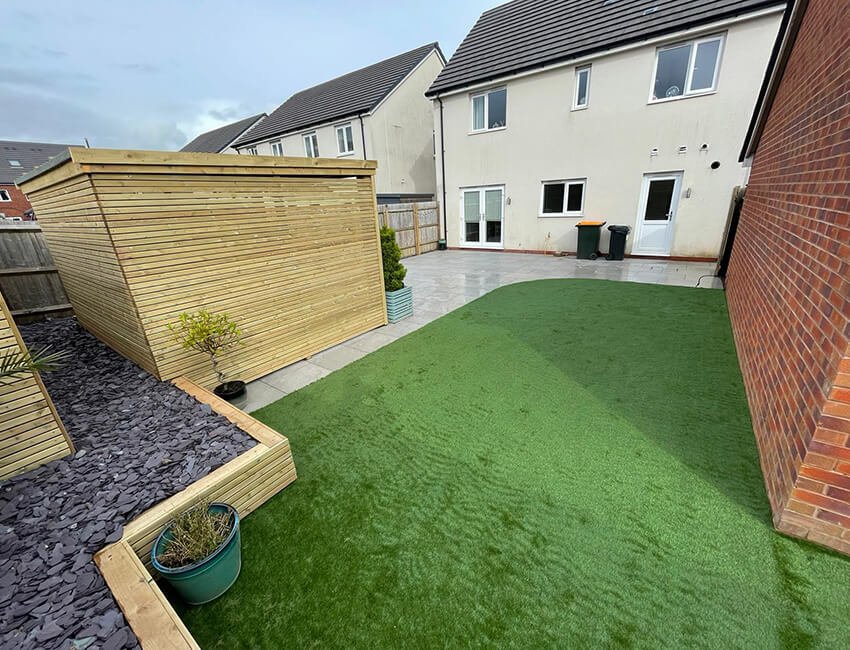
If you are looking for essex sheds that combine solid construction with practical sizing options, it is worth comparing suppliers who offer a range of standard and bespoke sizes rather than a one-size-fits-all approach.
Timber vs Other Materials
The choice of material matters more than many buyers expect. Plastic sheds are lighter and do not need painting, but they can look cheap and may not last as long in exposed positions. Metal sheds are tough but can suffer from condensation, which is damaging for tools and equipment stored inside.
Timber remains the most popular choice for good reason. It insulates better than metal, looks more natural in a garden setting, and can be painted or stained to match the rest of the property. Pressure-treated timber in particular holds up well against damp and does not need the same level of annual maintenance as untreated wood.
Thickness matters too. Thicker cladding, typically 16mm or more, will stay watertight and structurally sound for longer than thinner boards that flex over time.
Size and Placement
Getting the size right from the start saves a lot of frustration later. A shed that seems big enough in a brochure can feel cramped once you factor in shelving, a workbench, or the need to move around freely inside.
Before ordering, it is worth sketching out how the interior space will be used. If it is purely for storage, floor space is the priority. If it will double as a workshop, headroom and natural light become just as important.
Placement affects longevity as well as convenience. A shed positioned on a solid, level base will last significantly longer than one placed directly on soil, which can shift and trap moisture underneath the floor. Leaving a small gap between the shed and any fence or wall also improves airflow and reduces the risk of rot.
Planning Permission
Most standard garden sheds do not require planning permission in England, provided they sit within the permitted development rules. These include limits on height and the proportion of the garden the building can cover. However, rules can differ if the property is in a conservation area or a listed building, so it is always worth checking before you buy.
For anyone buying essex sheds from a reputable local supplier, guidance on sizing and positioning to stay within permitted development limits is usually available as part of the sales process.
A Long-Term Investment
A well-built shed, properly maintained, can last 20 years or more. Regular treatment with a quality wood preservative every couple of years, keeping gutters clear if fitted, and repainting when the coating starts to look tired will all extend the lifespan considerably.
For homeowners who take care of their shed from the outset, the investment pays back quickly in convenience, added storage capacity, and in many cases, a modest boost to the usable value of the property.