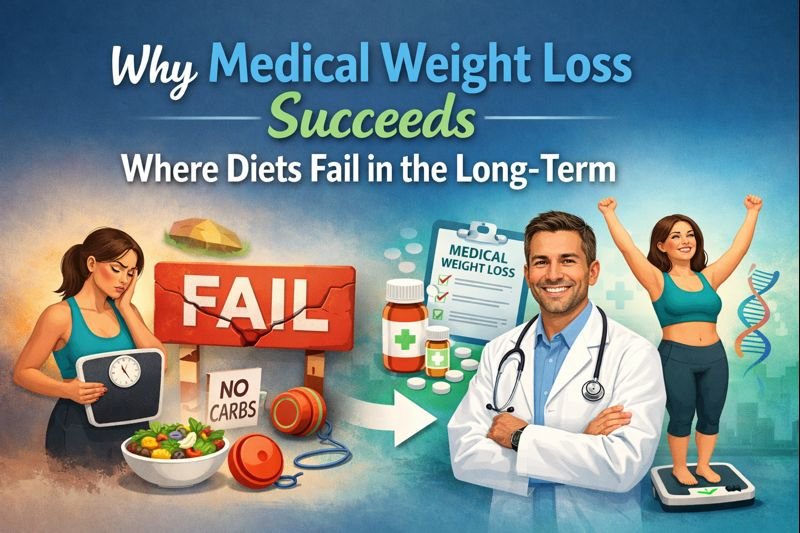
Nearly 95% of diets fail, and people are stuck in endless cycles of weight loss and regain. Traditional dieting often overlooks the importance of metabolism, hormone imbalances, and underlying medical conditions. That’s why medical weight loss in Phoenix comes. The team offers personalized nutrition, doctor-supervised programs, and lifestyle modifications to address the underlying causes of weight gain. Thus, they can help patients lose weight safely and keep it off for a long time.
Why Do Diets Often Fail?
The reasons are:
- Famine Response
Extreme calorie reductions, such as the “Master Cleanse” or 500-calorie fad diets, trigger the body’s survival mode, reduce metabolism, and conserve energy. It can cause fatigue, dizziness, irritability, and increased sensitivity to cold temperatures. Once normal eating resumes, the slowed metabolism results in rapid weight gain. This means restrictive diets are no longer effective.
- Hormonal Imbalance
Ghrelin, a hormone that stimulates hunger, increases, while leptin, known as the “fullness” hormone, decreases. This leads to constant hunger and food cravings. High levels of cortisol may contribute to increased belly fat storage and mood swings. Many diet programs overlook these hormonal changes; unlike the doctor-monitored service in medical weight loss in Phoenix, they do not control cravings.
- Brain Chemistry
Low-carb diets like keto may decrease serotonin levels, which affect mood and increase sugar cravings. Anxiety, irritability, and fatigue are symptoms that can be seen. Emotional eating, caused by stress, social circumstances, or late-night snacking, undermines traditional diets.
- Deprivation Effects
Eliminating foods like dairy, grains, or sugar results in binge episodes. Slip-ups can lead to guilt, excessive eating, and frustration. Rapid, drastic changes are more complex to maintain than gradual, evidence-based adjustments.
- Willpower Limits
Relying on willpower alone ignores genetics, metabolism, and lifestyle. It is associated with anger, mood swings, and frequent craving. Long-term success requires specific programs, including proper diet, behavior modification, and medical supervision. These strategies can be observed in medical weight loss programs in Phoenix.
Why Is Medical Weight Loss in Phoenix More Effective?
There are several reasons medical weight loss performs better than a typical diet regimen:
Physician-Supervised Plans
A medical professional analyzes a patient’s metabolism, hormones, and health history to create a customized treatment plan. Laboratory tests for thyroid, T3, T4, insulin, and leptin may be offered as part of these programs. Unlike fad diets, plans like Laveen Medical Weight Loss programs are evidence-based and provide long-term results.
Prescription Medications
FDA-approved medications increase weight loss at a hormonal level. Wegovy and Ozempic (weekly GLP-1 injections) reduce appetite and slow digestion. This results in 15%+ weight loss. Mounjaro targets the GLP-1 and GIP hormones, helping patients lose up to 22% of their body weight. Injections are also given weekly as directed by your doctor.
Muscle Preservation
Medical weight loss programs also include resistance training, high-protein foods such as chicken, fish, and eggs, as well as amino acid supplements to help prevent muscle loss. This ensures a healthy metabolic rate.
Continuous Monitoring
Check-ins are conducted on a weekly or biweekly basis to monitor progress, lab values, and side effects, allowing doctors to adjust medications or make dietary changes as needed.
Appetite & Craving Control
Weight loss injections decrease hunger hormones. The vitamin B12 and Lipo shots increase energy and reduce fat metabolism. Proteins like whey or casein are recommended after a workout to help maintain muscle mass and appetite.
Conclusion
Laveen Medical Weight Loss Center offers medical weight loss in Phoenix, providing science-based approaches tailored to the specific needs of each patient. Patients can achieve long-term outcomes through professional guidance and medical oversight, thereby avoiding the cycle of Yo-yo dieting.