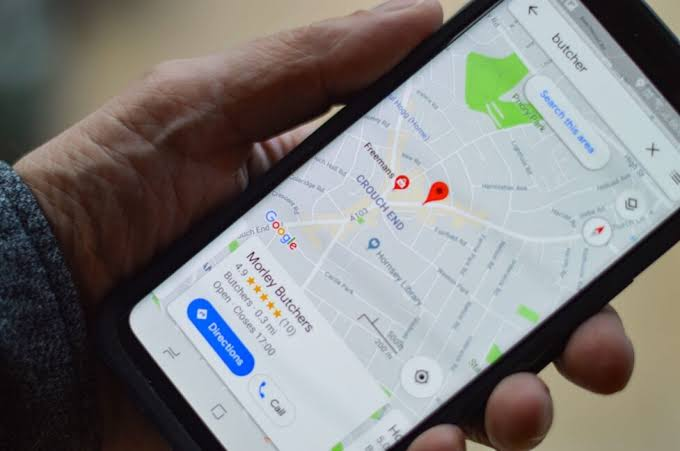
The Local Search Problem Many Businesses Do Not Notice Early
For many Australian businesses, local search is one of the most important ways customers find them. A homeowner may search for a plumber nearby. A parent may look for a dentist in their suburb. A property manager may search for pest control. Someone with an urgent issue may search for an electrician available in their area.
In many cases, the customer is not browsing casually. They have a problem and want a nearby business they can trust.
That is why it can be frustrating when a business suddenly becomes harder to find in Google Maps, local search results, or suburb-based searches. The phone may ring less often. Website enquiries may slow down. Store visits may drop. The business may still be operating well, but online visibility has quietly weakened.
This is common across industries such as dentists, pest control, roofing, and electricians, where customers often compare local providers before making contact.
The problem is rarely caused by a single issue. More often, local search visibility drops because several small signals become inconsistent, outdated, weak, or ignored over time.
Business Details Are Not Consistent Online
One of the most common causes of local SEO problems is inconsistent business information.
Search engines use business details to understand who you are, where you operate, and how customers can contact you. If your business name, phone number, address, opening hours, or website link appears differently across the web, it can reduce confidence.
For example, a business may update its phone number on its website but forget to update old directory listings. Another business may move to the suburbs but still have an old address appearing on business directories. Some businesses may have duplicate map listings, old trading names, or inconsistent service descriptions.
These details can confuse both search engines and customers.
For local search, consistency is important because Google wants to show reliable information. If there are mixed signals across the web, competitors with clearer details may appear more trustworthy.
The Website Does Not Clearly Show Service Areas
A business can have a well-designed website and still fail to show strong local relevance.
Search engines need to understand where the business provides services. This does not mean adding suburb names unnaturally into every sentence. It means creating helpful content that explains the locations served, common local customer needs, and the services available in those areas.
For industries such as roofing or electricians, location-specific service pages can help connect the business with nearby customers searching for urgent or specialised services.
For example, a roofing business may service older homes in several suburbs where roof repairs are common. An electrician may provide urgent repair work across multiple local areas. A dental clinic may want to attract families from nearby suburbs. A pest control business may want to explain seasonal pest issues in its service region.
When location signals are weak, search engines may not confidently connect the business with nearby searches.
A strong local website usually includes clear service pages, contact details, location information, FAQs, suburb pages where appropriate, and content that reflects real customer questions.
Google Business Profile Has Been Left Unmaintained
A Google Business Profile is often the first thing potential customers see. It may appear before the website itself, especially in map results.
If the profile is incomplete or outdated, it can reduce trust. Missing photos, wrong trading hours, poor category selection, weak service descriptions, unanswered reviews, or old business information can all affect how customers respond.
Many businesses create a profile once and forget about it. But local competitors may be updating photos, adding services, answering questions, publishing posts, and collecting fresh reviews.
A neglected profile can make a business look less active, even if the business is still operating strongly offline.
Reviews Are Weak, Old, or Unanswered
Reviews play a major role in local decision-making. Customers often read reviews before calling, especially when they are comparing similar providers.
It is not only the star rating that matters. The wording of reviews can help search engines and customers understand what services the business provides. A review mentioning emergency plumbing, dental care, termite inspections, roof restoration, or switchboard repairs gives useful context.
For example, a dentist in Sydney or a pest control company can benefit from detailed reviews that highlight service quality and customer satisfaction.
If a business has not received reviews for a long time, customers may wonder whether it is still active. If negative reviews are left unanswered, it may create doubt. If reviews are vague, they may not support service relevance.
Businesses should not fake reviews or pressure customers. But they can build a simple process for asking satisfied customers to leave honest feedback.
Website Quality Is Holding Back Local Visibility
Local SEO is not just about maps and directories. The website still matters.
If the website is slow, difficult to use on mobile, poorly structured, or thin on service information, it can reduce performance. Local visitors usually want quick answers. They want to know what the business does, where it operates, how to contact it, and whether it looks trustworthy.
Common website issues include:
Slow-loading pages
Broken links
Missing title tags or descriptions
Thin service pages
Duplicate location pages
Confusing navigation
Poor mobile design
Unclear calls to action
A business may have a strong offline experience but lose enquiries because the website does not communicate that experience clearly.
Competitors Have Improved Their Local Presence
Sometimes a business has not done anything wrong. Competitors have simply improved.
Another business may have added stronger service pages, collected more reviews, improved its website, built local citations, or invested in better content. Over time, this can push other businesses lower in search results.
Local SEO is not static. Search results change as competitors update their websites, reviews, listings, and content.
This is why businesses should review their local visibility regularly rather than waiting until enquiries drop.
Content Does Not Match What Customers Search For
Customers do not always search using industry terms. They often search using problem-based phrases.
For example:
“Why is my roof leaking after rain?”
“Pest control for cockroaches in kitchen”
“Emergency electrician near me”
“Best dentist for nervous patients”
If a website only lists services without explaining problems, warning signs, and practical solutions, it may miss valuable search opportunities.
Helpful local content should answer real questions. This builds authority and helps the business appear for a wider range of relevant searches.
When a Deeper Local SEO Review Helps
If a business has updated its listings, improved its website, maintained its Google profile, and still struggles to appear in local searches, it may need a more detailed review.
Working with a Local seo Agency can help identify issues such as weak location signals, technical SEO problems, poor keyword targeting, duplicate listings, content gaps, or missed local authority opportunities.
A proper review should look beyond rankings alone. It should consider enquiries, conversion paths, map visibility, competitor activity, content quality, and local trust signals.
Final Thoughts
Local search visibility is built through consistency, relevance, trust, and ongoing maintenance. Businesses that keep their information accurate, improve their website, collect genuine reviews, and publish useful local content are usually in a stronger position to attract nearby customers.
Losing local visibility can be frustrating, but it is often fixable. The key is to find the weak signals early and improve them before competitors take more of the local search space.