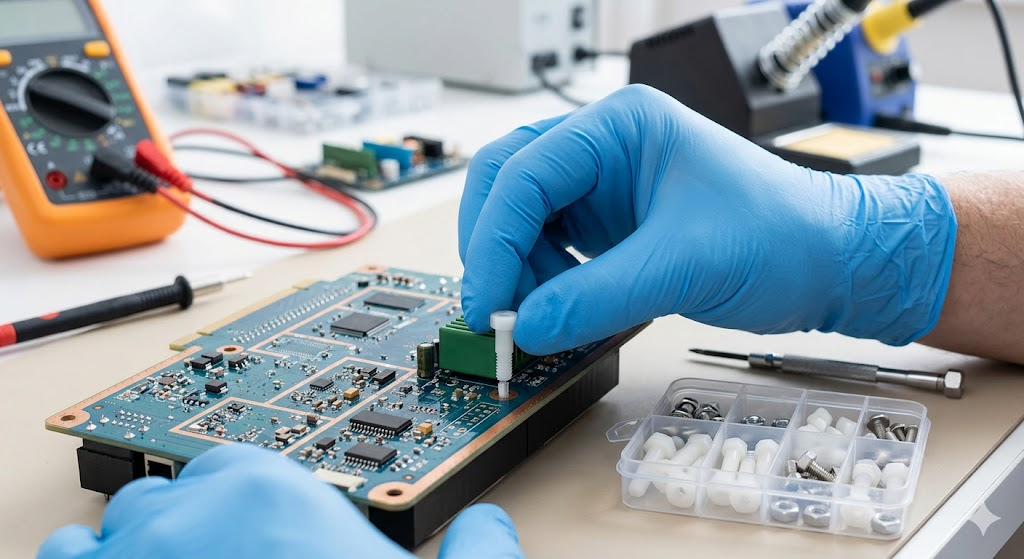
Choosing the correct method of fastening is important for any given project. But nylon bolts, which tend to be underappreciated in many environments, offer very specific advantages in some applications. These lightweight replacements for metal fasteners have unique characteristics that can be more beneficial for specific applications. Knowing when nylon bolts perform well can aid selective purchasing.
Corrosion Resistance Benefits
Compared to metal fasteners, nylon bolts hold up better against rust and chemical exposure. This is useful in moist or corrosive metal environments where it may corrode. Upgrade to nylon and save yourself many corrosion-related replacements.
This long-lasting performance is important for safety and economy in many industries. In environments prone to moisture or chemicals, many choose to buy nylon bolts, since their resistance to corrosion can reduce long-term maintenance and replacement needs.
Electrical Insulation Properties
Nylon is an insulator, and that makes the relevant fastener an ideal choice to hold parts in electrical assemblies. This also has an important characteristic that helps prevent short circuits or immediate shocks. Electronic devices, switchgear, and appliance manufacturing often make use of nylon bolts. Additionally, because they are non-conductive, the assembly and operation are also much safer.
Lightweight and Easy Handling
Compared with metals such as steel or brass, nylon is extremely lightweight! The decrease in weight will lessen the load carried by structures or other devices. Lightweight fasteners also ease assembly, especially for projects in bulk, as a fastener part can be handled repeatedly. Projects that require regular maintenance or adjustment benefit from being simple to install and remove.
Non-Magnetic Qualities
Other projects that can be affected negatively by magnetism can use nylon bolts. Given that nylon does not exhibit magnetism, it steers clear of interfering with sensitive sensors or electronics. Nonmagnetic fasteners are often specified for scientific equipment, medical devices, and some types of telecommunications products. Using nylon ensures that readings are precise and consistent.
Aesthetic and Non-Marring Features
Nylon bolts shine when appearance counts. Galvanized nails are grey and smooth, so they fit many designs. They do not scratch up or damage fine surfaces like the odd bit of metal. These aesthetic advantages can be beneficial for furniture assembly, display cases, and architectural work.
Temperature Considerations
At least in moderate temperatures, nylon bolts do pretty well. They are appropriate for applications where temperature exposure is limited to a certain range. Extremely high or low temperatures can impair their strength or flexibility, however. Validate the operating temperature range to ensure that the fasteners will remain secure and functional.
Cost Efficiency
In general, nylon fasteners are cheaper than metal fasteners. Projects can maintain profitability by minimizing material and production costs. When high strength is not required, nylon bolts offer a cost-effective solution for non-structural applications. Plus, they last a long time in environmental conditions that are appropriate for these materials, which adds to their overall value.
Where it is not advisable to use Nylon Bolts
Nylon bolts certainly have their advantages, but they are not ideal for every application. When high tensile strength is required (i.e., heavy load-bearing structures), metal fasteners may be needed. Nylon can also lose its durability in high-temperature environments. Outdoor applications, when exposed to long-term sunlight, may also experience ultraviolet degradation. Consider these limitations before making a selection to avoid headaches later.
Environmental Impact
Nylon bolts are a lower-emission alternative to many types of metals during manufacturing. Because they are lighter, they also help reduce transport costs and energy use. This leads to a reduced environmental footprint. Now there are also recycling programs for nylon materials, which brings another level of sustainability. Disposal with responsibility, paired with recycling, will aid in greener practices.
Ease of Customization
There are various dimensions and styles for nylon bolts. Colors and finishes can be matched to other aesthetic or branding requirements. It is this flexibility in function and appearance that allows nylon to be used in specialized or unique projects. In fact, customized orders are filled within days due to quick production times.
Summary
Nylon bolts are ideal for conditions where corrosion resistance, dielectric insulation, low mass, and non-magnetic qualities are required. Reasonableness and customizable appearance promote its use as well. Still, other materials may be necessary in projects that require extreme high strength or will be exposed to very intense conditions. We assess each application’s specific needs to determine the best nylon bolt fastening solution. Careful selection enables performance, safety, and value for all projects.