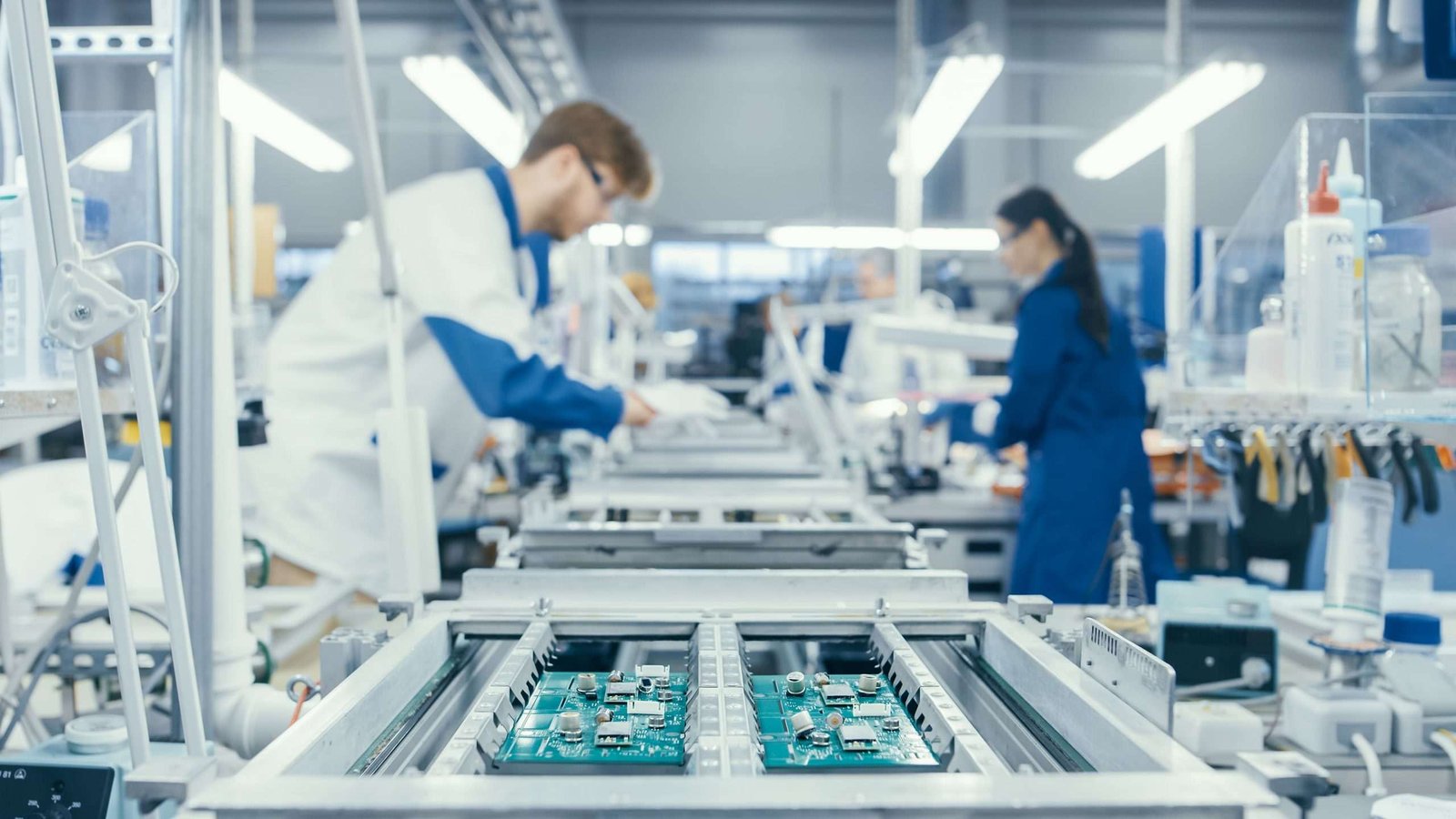
Welcome to the exciting world of manufacturing, where innovation and technology come together to create incredible products that shape our daily lives. In this fast-paced industry, one term that you may have come across is PCBA – but what exactly does it mean? Well, get ready to dive into the fascinating realm of Printed Circuit Board Assembly (PCBA) and uncover the wonders behind this essential component in manufacturing. Whether you’re a tech enthusiast or simply curious about how things work behind the scenes, this blog post will provide a comprehensive overview of PCBA and its role in bringing your favorite gadgets to life. So let’s roll up our sleeves and embark on this enlightening journey!
The Components of a PCBA
A Printed Circuit Board Assembly, or PCBA, is made up of various components that play crucial roles in its functionality. These components work together to ensure the smooth operation and performance of electronic devices.
One essential component is the printed circuit board (PCB) itself. This flat board serves as the foundation for all other components to be mounted onto. It provides electrical connections between different parts and acts as a platform for circuitry.
Integrated circuits (ICs), commonly referred to as chips, are another vital component of a PCBA. These tiny semiconductor devices contain complex circuits and perform specific functions like processing data or amplifying signals.
Passive components such as resistors, capacitors, and inductors also play important roles in a PCBA. Resistors control the flow of electrical current, while capacitors store and release electrical energy. Inductors help filter out unwanted frequencies from signals.
Connectors are used to establish physical connections between the PCB and external devices or other PCBAs. They allow for easy assembly/disassembly without soldering or damaging any components.
Power sources such as batteries or power supplies provide the necessary electricity to make everything work seamlessly.
These components work harmoniously together within a PCBA to bring electronic devices to life!
The Manufacturing Process of a PCBA
The manufacturing process of a PCBA is a complex and intricate one. It involves several stages, each playing a crucial role in the final product. Let’s delve into these steps to get an understanding of how a PCBA comes to life.
The first step in the manufacturing process is PCB fabrication. This involves creating the base circuit board using various materials such as fiberglass or composite epoxy. The board is then etched with copper traces that will form the pathways for electrical signals.
Once the PCB is ready, it moves on to component placement. This stage involves soldering electronic components onto the board, which can include resistors, capacitors, integrated circuits, and connectors. Advanced machines are used to ensure accurate placement and soldering.
After component placement comes inspection and testing. Quality control measures are implemented at every stage to identify any defects or faults in the assembly. Automated optical inspection (AOI) systems can detect issues such as misaligned components or incorrect solder joints.
Following inspection, the next step is reflow soldering. In this process, heat is applied to melt the solder paste and create strong connections between components and PCB pads. Proper temperature profiles are critical for achieving reliable solder joints.
Once all stages have been completed successfully, functional testing takes place to verify that the assembled PCB functions correctly according to its design specifications.
As you can see, there are many intricate steps involved in manufacturing a PCBA. Each stage requires precision and expertise to ensure high-quality products that meet customer expectations. Understanding this process helps us appreciate the complexity behind our everyday electronics!
Common Mistakes to Avoid in PCBA Manufacturing
When it comes to PCBA manufacturing, there are several common mistakes that can occur during the process. These mistakes can not only lead to a decrease in product quality but also result in delays and increased costs. To ensure a smooth and efficient manufacturing process, it is important to be aware of these pitfalls and take necessary precautions.
One common mistake is neglecting proper component selection. It is crucial to carefully choose components that meet the required specifications and are compatible with the PCB design. Using substandard or incompatible components can lead to performance issues or even complete failure of the circuit board.
Another mistake that manufacturers often make is poor soldering techniques. Inadequate soldering can cause weak connections, resulting in intermittent failures or unreliable operation of the PCB. It is essential to follow proper soldering guidelines and use high-quality solder materials for robust connections.
Neglecting thorough testing procedures is another grave error in PCBA manufacturing. Testing should be conducted at various stages of production to identify any defects or faults early on. Skipping or rushing through testing processes increases the risk of shipping faulty products, leading to customer dissatisfaction and potential recalls.
Improper handling and storage practices also pose significant risks during PCBA manufacturing. Electrostatic discharge (ESD) can damage sensitive electronic components if proper precautions are not taken while handling them. Additionally, improper storage conditions such as exposure to moisture or extreme temperatures may deteriorate component performance over time.
Inadequate documentation throughout the manufacturing process can create challenges down the line. Accurate records detailing component specifications, assembly instructions, test results, and any modifications made are vital for troubleshooting issues later on or scaling up production efficiently.
By being mindful of these common mistakes and implementing appropriate preventive measures, manufacturers can minimize errors during PCBA manufacturing processes, ensuring superior product quality while staying within budget and timeline constraints.
Future Trends in PCBA Manufacturing
As technology continues to advance at a rapid pace, the field of PCBA manufacturing is also evolving. Here are some key trends that are shaping the future of this industry.
1. Miniaturization: With the increasing demand for smaller and more compact electronic devices, manufacturers are focusing on miniaturizing PCBAs. This trend is driven by advancements in semiconductor technology and the need for portable and wearable devices.
2. Internet of Things (IoT): The IoT revolution has opened up new opportunities for pcba manufacturer. As more devices become connected, there will be a growing need for smart PCBAs that can communicate with each other seamlessly.
3. Automation: To meet the demands of mass production and improve efficiency, automation plays a crucial role in PCBA manufacturing. From automated assembly lines to robotic soldering machines, automation helps reduce errors and increase productivity.
4. Advanced Materials: New materials with enhanced properties are being developed to improve the performance of PCBAs. For example, flexible substrates allow for bendable or foldable electronics, while heat-resistant materials enable better thermal management.
5. Environmental Sustainability: There is an increased focus on sustainable manufacturing practices in all industries including PCBA manufacturing. Companies are adopting eco-friendly processes such as lead-free soldering and recycling programs to minimize their environmental impact.
6. Artificial Intelligence (AI): AI-powered systems have started making their way into various stages of PCBA manufacturing, from design optimization to quality control inspections. AI algorithms can analyze vast amounts of data quickly and make intelligent decisions based on patterns and trends.
7. Cybersecurity: With more devices becoming interconnected through PCBAs, cybersecurity becomes a critical concern for manufacturers as well as end-users alike.
Safeguarding sensitive information from cyber threats will be paramount in future pcba designs
In conclusion,
These emerging trends indicate an exciting future for PCBA manufacturing where innovation will drive progress forward.
The industry will continue to adapt and evolve, meeting the demands of a technologically advanced world. By
Conclusion
In this blog post, we have explored the world of PCBA (Printed Circuit Board Assembly) in manufacturing. We have discussed its components, the manufacturing process, common mistakes to avoid, and future trends in PCBA manufacturing.
PCBAs play a crucial role in modern technology, serving as the foundation for countless electronic devices that power our lives. From smartphones to home appliances and even automotive systems, PCBAs are at the heart of it all.
The components of a PCBA include the printed circuit board itself along with various electrical components such as resistors, capacitors, integrated circuits, and connectors. These components work together to create a functional electronic system.
The manufacturing process of a PCBA involves several stages including design and layout, component procurement and inspection, soldering or mounting of components onto the PCB using automated machines or manual laborers. Quality control measures are implemented throughout each step to ensure reliability and performance.
However, some common mistakes can occur during PCBA manufacturing. These include improper component placement or orientation on the board, inadequate soldering techniques leading to weak connections or shorts between terminals. Manufacturers need to address these issues diligently to avoid costly rework or product failures down the line.
Looking ahead into the future of PCBA manufacturing brings exciting possibilities. Advancements in miniaturization techniques allow for smaller and more compact PCBAs without compromising functionality. Increased automation reduces human error while improving efficiency and productivity. Additionally, emerging technologies like Internet-of-Things (IoT) integration enable smarter devices that communicate seamlessly with each other.