Portable solar generators combine solar panels, battery storage, and power inverters to deliver electricity without relying on traditional power sources. Unlike gas generators, they are quiet, low-maintenance, and eco-friendly. With the right generator, you can power everything from small gadgets to some home appliances. Understanding what devices a generator can support is key to avoiding overloads and ensuring smooth operation. Each generator comes with a wattage rating, which determines how much energy it can supply at once. Some small devices like phones and laptops require very little power, while appliances such as microwaves or refrigerators need much more. Knowing your generator’s limits helps prevent battery drain and prolongs its lifespan. Whether you’re camping, working remotely, or preparing for a blackout, this guide will help you choose the right devices to power safely and effectively.
How Portable Solar Generators Work
A portable solar generator converts sunlight into usable electricity. The process starts with solar panels, which absorb sunlight and generate DC (direct current) electricity. This electricity is stored in an internal battery for later use. The generator’s inverter then converts the DC electricity into AC (alternating current), which is what most household devices use.
Solar Panel Input and Battery Storage
Solar panels feed energy into the generator’s battery. The battery stores energy so you can use it even when the sun isn’t shining. Battery capacity is measured in watt-hours (Wh) and indicates how long the generator can power devices before needing a recharge. For example, a 500Wh battery can power a 50W device for roughly 10 hours.
AC and DC Output Explained
Generators provide multiple output options, including AC outlets, USB ports, and sometimes DC ports. AC outlets power appliances like mini-fridges and fans, while USB ports charge phones and tablets. Understanding the output limits ensures you don’t connect a device that exceeds the generator’s capacity, which could cause a shutdown or reduce battery life.
What Small Electronics Can You Power?
One of the most common uses for portable solar generators is powering small electronics. These devices usually have low energy requirements, making them perfect for solar setups.
Smartphones, Tablets, and Laptops
Smartphones, tablets, and laptops are essential for communication, work, and entertainment. Most portable generators can charge these devices multiple times per battery cycle. A typical 200Wh generator can fully charge a phone 10–15 times or a laptop 2–3 times. USB-C and USB-A ports on generators make it easy to connect devices without additional adapters.
Cameras, Drones, and Wearables
Portable solar generators are also ideal for cameras, drones, and wearable devices. These electronics usually require short bursts of energy, and the generator can supply power on the go. Photographers can recharge camera batteries during long outdoor shoots, while drone operators can extend flight times without worrying about finding an electrical outlet. Wearable devices like fitness trackers or smartwatches can also be continuously charged, making them reliable for camping trips or remote work.
Can You Run Home Appliances on a Portable Solar Generator?
Some home appliances can be powered by a portable solar power generator, depending on its wattage and battery capacity. Low-power appliances are easier to manage, while high-power appliances need careful planning.
Essential Appliances: Mini Fridge, Fan, Lights
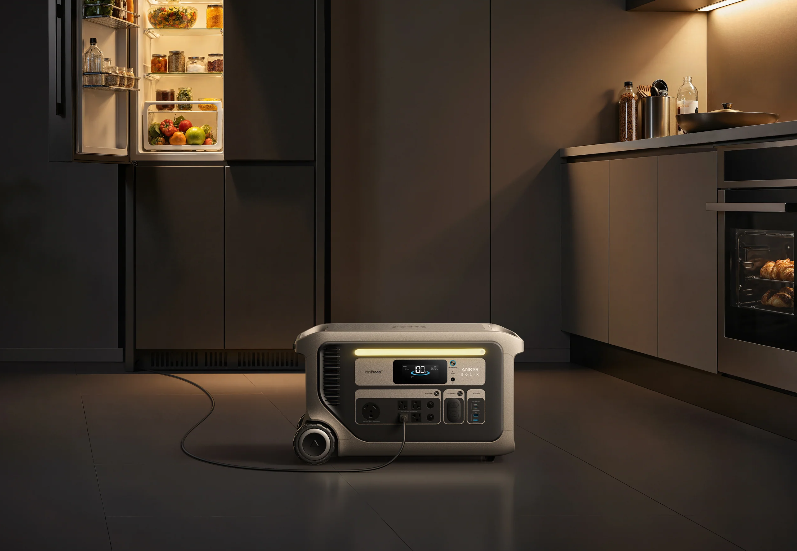
Mini fridges, fans, and LED lights are among the most practical appliances to run. A small fridge requires roughly 50–100 watts, so a medium-sized solar generator can keep it running for several hours. Fans and lights consume minimal power, making them ideal for nighttime use or hot days. These appliances are perfect for camping, RV trips, or emergency setups at home.
High-Power Appliances: Microwave, Coffee Maker
High-power appliances like microwaves, coffee makers, or hairdryers draw significantly more energy. Running them on a solar generator is possible only with large-capacity models or for very short durations. For example, a microwave might require 700–1000 watts, quickly draining the battery. It’s crucial to check both the wattage and surge power requirements before attempting to run these devices, as exceeding the generator’s limits can cause damage or shutdown.
Outdoor and Recreational Devices You Can Power
Portable solar generators are excellent for outdoor use, powering camping gear, recreational devices, and even some power tools.
Camping Gear: Lights, Portable Coolers, Radios
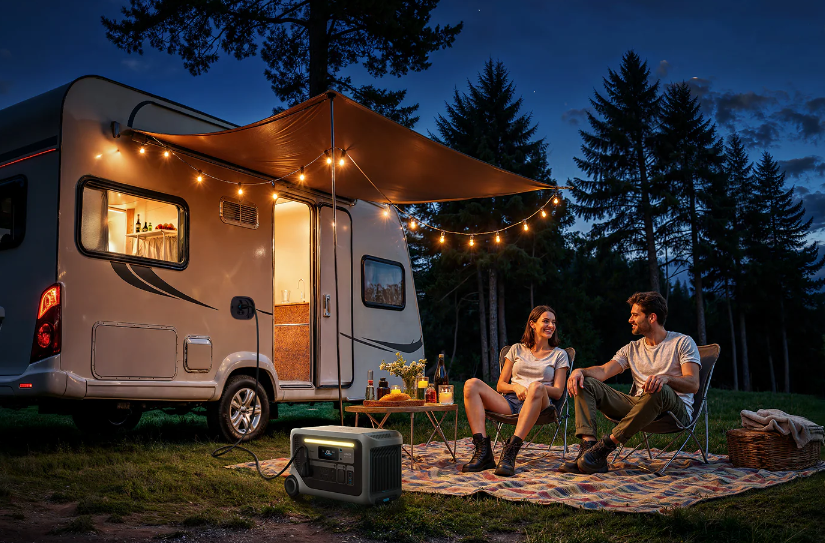
During camping trips, solar generators can power LED lights, portable coolers, and radios. LED lights are energy-efficient and can run for hours on a small generator. Portable coolers help keep food and drinks fresh without ice packs. Radios and small speakers provide entertainment and emergency alerts. Using a solar generator allows campers to enjoy these devices without relying on fossil fuels or noisy alternatives.
Power Tools and Electric Grills
Some portable generators can also run power tools and small electric grills. Cordless drills, saws, and sanders often require short bursts of energy, making them compatible with medium to large solar generators. Electric grills or hot plates can also be powered, though for shorter durations due to high energy consumption. Planning your tasks and staggering device usage ensures efficient energy management and prevents overloading the generator.
Conclusion
Portable solar generators are versatile, eco-friendly, and convenient power solutions. They can charge phones, laptops, cameras, and small appliances, making them ideal for camping, remote work, and emergency preparedness. Some medium-capacity generators can even handle larger appliances, provided you manage power carefully. Understanding your generator’s wattage and battery capacity is key to using it safely and efficiently. Prioritizing low-power devices, monitoring battery usage, and planning energy-intensive tasks can help you make the most of your generator. Whether you’re enjoying outdoor adventures, preparing for blackouts, or simply reducing your reliance on the grid, a portable solar generator gives you reliable power wherever you need it. With proper usage, it can keep your devices running smoothly and make life easier both at home and outdoors.