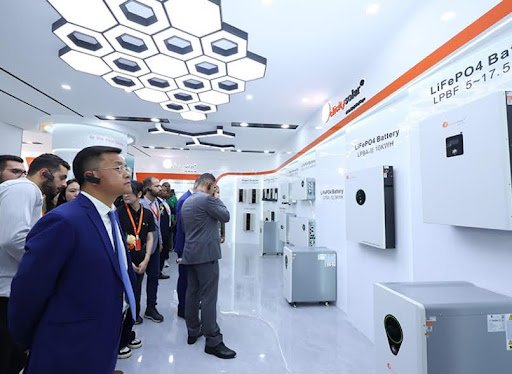
Commercial energy storage systems are battery-based systems used by companies, factories, and industrial sites to store electricity.
These systems store energy when it’s inexpensive and distribute it during high-cost peak times. Unlike home batteries that serve individual households, commercial systems handle much larger capacity needs.
They fill the space between small residential units and tmassiveuge utility-scale installations that serve entire cities.
Understanding Commercial Energy Storage Technology
Our Felicity Solar specializes in customized commercial energy storage that fits specific business needs.
Their 50kW hybrid inverter systems work with high-voltage battery packs to offer flexible options for various commercial applications. Today’s commercial systems combine several components that work together smoothly.
Commercial vs Residential vs Industrial Storage
Scale separates these three storage types. Home systems usually range from 5 to 20 kWh for individual houses. Commercial setups range from 50 to 500 kWh for small to medium businesses.
Industrial installations exceed 1 MWh in large manufacturing operations. Our Felicity Solar offers solutions across this whole range with configurations you can customize.
They handle everything from small commercial units to massive industrial projects. What each type needs varies widely.
Industrial sites require enormous capacity for critical processes and grid support services. Certifications and permits become more complex as systems grow.
Commercial setups face more rigid safety rules than home systems. Fire suppression needs, electrical codes, and structural requirements all get stricter.
Battery Technology Options Available
Lithium-ion batteries currently lead the commercial energy storage market. Liquid cooling delivers better results for larger high-power applications. These smart controllers balance charging across cells to prevent early failure.
They spot potential problems before things break down completely. Energy Management Systems (EMS) optimize the operation of the entire storage system.
Software analyzes electricity prices, usage patterns, and weather forecasts. Intelligent algorithms determine the optimal times to charge and discharge to maximize financial benefit.
Installation Considerations for Businesses
The space you have determines which system configuration works. Indoor electrical room installations protect systems from weather and environmental damage.
Container-based solutions give flexibility when site conditions are tricky. These ready-made units are ready for connection with very little site work required.
Modular designs let you add capacity later as your business grows. Extra battery modules connect easily to what’s already installed.
Financial Considerations and ROI
What you pay upfront depends on capacity and which features you pick. Most commercial systems cost anywhere from moderate to quite substantial amounts.
But government incentives significantly reduce the real project costs. Payback typically takes 3-6 years for well-designed commercial projects. How long it actually takes depends on your local power rates and demand charge setup.
Places with high electricity costs see faster investment returns. Monthly utility savings add up steadily to offset what you paid for equipment.
Our Felicity Solar helps clients develop financial projections and calculate return on investment. Their team looks at your specific site, energy patterns, and local incentive programs.
Custom solutions maximize the economic benefits for each unique situation. Financing options make storage affordable without high upfront costs.
Maintenance and Operational Requirements
Modern commercial storage needs very little regular maintenance. Remote monitoring lets you track performance in real time. Cloud platforms show system status, energy flows, and operating data.
Energy management gets smarter through machine learning. New capabilities get added remotely without needing technician visits.
Systems typically last 10-15 years with the proper care. Eventually, batteries need to be replaced as their capacity slowly drops.
Regulatory and Safety Compliance
Commercial energy storage systems must comply with strict safety rules. UL certifications confirm that equipment meets stringent North American safety standards.
IEC certifications show compliance with international safety requirements. CE marking allows installation across the European Union.
Fire safety rules apply specifically to battery storage setups. Local authorities review and approve system plans. Inspections confirm proper installation before systems can operate.
Why Choose Felicity Solar for Commercial Projects
Felicity Solar delivers complete commercial energy storage solutions, not just equipment. Their 18 years in renewable energy shape every project they recommend.
Working from Guangzhou with operations in 150+ countries shows their proven track record. Customization services handle unique business needs that other suppliers can’t manage.
Standard products rarely fit perfectly in complex commercial settings. Our Felicity Solar engineers adjust voltage specs, capacity setups, and control systems exactly right.
This adaptability works for everything from retail shops to manufacturing plants. Their 50kW hybrid inverter, paired with high-voltage battery packs, demonstrates this customizable approach.
Systems expand from small installations to large multi-unit configurations. All technical specs and our project information are at https://www.felicitysolar.com/felicitysolars-50kw-hybrid-inverter-and-high-voltage-battery-packs/
Complete support continues throughout the whole project life. From first consultation through installation and ongoing maintenance, you get expert help. This dedication to customer success sets Felicity Solar apart from basic equipment sellers.
Making Informed Commercial Storage Decisions
Picking the right commercial energy storage solutions requires careful consideration of several factors. Energy use patterns, peak demand timing, and electricity rate structures all shape the best configuration.
Companies should conduct comprehensive energy audits before selecting systems. Understanding real usage shows where storage creates the most benefit.
Future growth plans affect how much capacity to plan for. Systems should handle expected business growth without requiring a total replacement.
Modular designs provide affordable ways to scale up over time. Partnering with experienced providers like Felicity Solar makes complex decisions simpler.
Good planning and proper execution make systems perform beyond expectations for their entire working life.