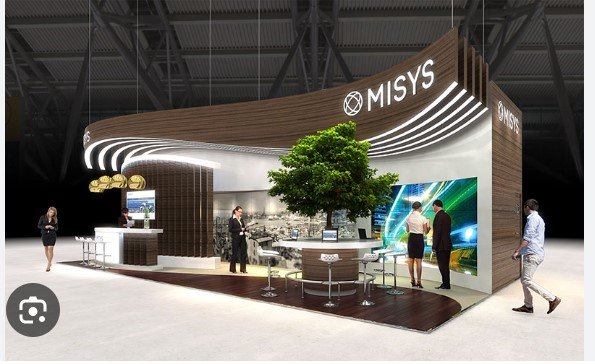
The trade show floor is a battlefield of attention. You are competing against hundreds of other exhibitors, all clamoring for the same set of eyes. In the past, a simple table, a branded tablecloth, and a bowl of candy were enough to start a conversation. Today, that approach simply disappears into the background noise. As industries evolve and aesthetics shift, the bar has been raised significantly. The difference between a booth that gets ignored and one that generates leads often comes down to intelligent, striking design.
Creating a physical presence that stops attendees in their tracks requires more than just flashy graphics. It demands a deep understanding of spatial dynamics, brand storytelling, and visitor psychology. The most successful brands are now treating their exhibition spaces as temporary architectural marvels rather than just sales counters.
This shift has given rise to a new era of trade show architecture. We are seeing a move away from clutter and towards curated experiences. If you want to capture leads and leave a lasting impression, understanding the principles behind contemporary award-winning booth designs is no longer optional—it is essential for your return on investment.
The Shift From Sales to Experience
Historically, trade show booths were designed with a “pack it in” mentality. The goal was to display as many products as physically possible within a 10×10 or 20×20 square foot space. Walls were covered in text-heavy posters, and sales reps stood behind counters like gatekeepers.
Modern design philosophy has flipped this script. The most acclaimed booths today focus less on volume and more on value. They prioritize the visitor experience over inventory density. This approach borrows heavily from retail design and museum curation, where the environment itself tells a story.
When you walk into a top-tier booth today, you aren’t just looking at a product; you are stepping into the brand’s world. This might mean a sanctuary of calm amidst the chaos of the expo hall, or a high-energy tech playground. The common thread among modern award-winning booth designs is that they evoke a feeling first and sell a product second. By establishing an emotional connection, these spaces prime the visitor for a more meaningful business conversation.
Defining Contemporary Award-Winning Booth Designs
So, what exactly sets the winners apart from the rest? When judges at major expos hand out “Best in Show” awards, they are looking for specific criteria that blend form and function. Contemporary award-winning booth designs often share a few core characteristics that you can emulate in your own strategy.
Strategic Minimalism and White Space
One of the most prominent trends is the confident use of open space. In design terms, “white space” doesn’t necessarily have to be white; it refers to empty areas that allow the eye to rest.
Amateur designers often fear empty space, thinking it looks like wasted money. Professional designers know that space creates focus. By stripping away non-essential elements, the remaining features—whether it’s a flagship product or a digital screen—command much more attention. A clean, uncluttered layout suggests sophistication and confidence. It invites people in rather than overwhelming them with visual noise.
Immersive Technology Integration
Technology is no longer just an add-on; it is woven into the fabric of the booth’s structure. We aren’t just talking about a TV screen playing a loop on a wall. We are seeing LED video walls that span the entire height of the booth, creating dynamic, changing environments.
Interactive touch tables, Augmented Reality (AR) product demos, and Virtual Reality (VR) stations are becoming standard in award-winning designs. However, the key is integration. The tech shouldn’t feel like a gimmick; it should be the medium through which the visitor learns about the solution. For example, a medical device company might use a large-scale interactive touch wall to let surgeons “operate” virtually, rather than just handing them a brochure.
Architectural Uniqueness
The days of the standard pop-up display are waning for major players. Winners are using custom fabrication to create unique shapes and structures. Overhead hanging signs are becoming sculptural art pieces. Flooring is used to define zones and guide foot traffic. The use of height is crucial; building up, rather than just out, maximizes visibility across the trade show floor and creates a sense of dominance and authority.
The Role of Materials and Lighting
If structure provides the bones of the design, materials and lighting provide the soul. This is where modern award-winning booth designs truly shine, often using unexpected textures and illumination to create mood.
Lighting as a Design Tool
Lighting is arguably the most underutilized tool in the exhibitor’s kit. Most booths rely on the harsh, yellow halogen lights of the convention center, which can be unflattering and draining.
Top-tier booths bring their own lighting rigs. They use cool white LEDs to highlight products, warm accent lights to create inviting lounge areas, and programmable RGB lights to change the mood of the booth throughout the day. Backlit fabric graphics (lightboxes) are a staple in modern design, turning entire walls into glowing, attention-grabbing visuals that are impossible to miss from the aisle.
Sustainable and Natural Materials
Sustainability is a massive trend influencing design awards. The trade show industry is notorious for waste, with tons of materials discarded after every show. Designs that incorporate eco-friendly materials—recycled woods, aluminum frames, and reusable fabrics—are gaining favor.
Furthermore, introducing natural elements like living walls (biophilic design), wood grain textures, and stone finishes helps soften the corporate feel of a booth. It makes the space feel more human and less industrial, which subconsciously puts visitors at ease and encourages them to linger longer.
Designing for the Visitor Journey
A beautiful booth is useless if it doesn’t flow. Award-winning designs are masterclasses in traffic management. Designers map out the “visitor journey” before a single piece of lumber is cut.
There are typically three zones in a high-performing booth:
- The Attraction Zone: The outer perimeter. This is where large graphics, high-level messaging, and eye-catching tech live. The goal here is to stop the passerby.
- The Engagement Zone: The middle ground. This is where demos happen, products are touched, and questions are asked. It requires enough space for people to stand comfortably without blocking the aisle.
- The Relationship Zone: The inner sanctum. This is often a semi-private area with comfortable seating, lower lighting, and refreshments. This is where deals are closed and serious partnerships are discussed away from the noise.
By clearly defining these zones, you ensure that your staff knows exactly how to manage the crowd, and visitors never feel lost or crowded.
Frequently Asked Questions
How much does an award-winning booth design cost?
Costs vary wildly based on size, materials, and technology. A custom 20×20 booth can range from $30,000 to over $150,000. However, many “winning” elements like minimalism and good lighting can be achieved on a tighter budget with smart design choices.
Can I rent a custom-looking booth?
Yes. Many exhibit houses offer “custom rental” hybrids. These use modular frames that are rented (lowering the cost) but are covered with custom graphics and combined with unique furniture to look like a bespoke build.
How far in advance should I start designing?
For a custom build, you should begin the design process at least 6 months before the show. This allows time for revisions, engineering, fabrication, and shipping. Rushing the process often leads to higher costs and design compromises.
What is the biggest mistake in booth design?
The biggest mistake is a lack of focus. Trying to say everything usually results in saying nothing. Pick one key message or product launch and build the entire design around that single focal point.
Elevate Your Brand Presence
The trade show floor is a direct reflection of your company’s ambition. When you invest in high-quality design, you signal to the market that you are a leader, an innovator, and a brand worth paying attention to.
Whether you are working with a massive island space or a standard inline booth, the principles remain the same. Clear the clutter, light it well, integrate technology meaningfully, and focus on the human experience. By studying contemporary award wining booth designs, you can stop guessing what works and start building a space that not only wins awards but wins business.