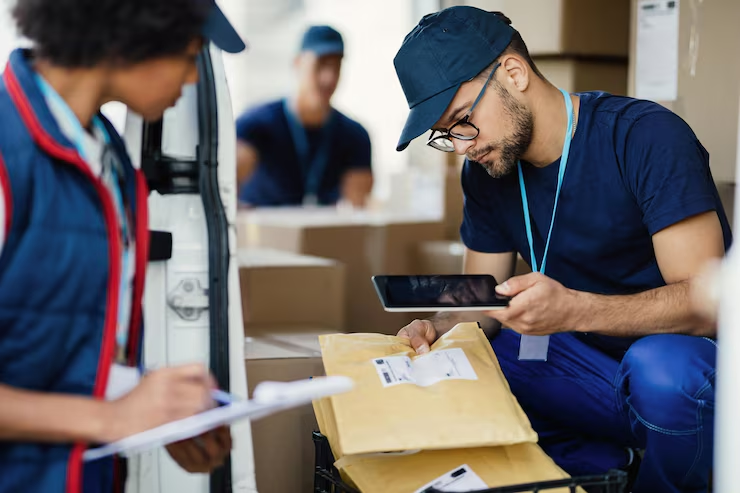
International shopping and cross-border shipping have become a normal part of modern life. Every day, thousands of parcels move across borders carrying personal goods, commercial products, documents, and online purchases. However, before these shipments reach their final destination, they must go through customs procedures that ensure compliance with national regulations.
One of the most important processes in global logistics is customs clearance of postal shipments. This procedure plays a critical role in controlling imports, collecting duties and taxes, and ensuring that goods entering a country meet legal requirements.
As international e-commerce continues to grow, understanding customs procedures has become increasingly important for businesses and individual consumers alike. Delays, unexpected fees, or incomplete documentation can quickly turn a simple shipment into a frustrating experience. Proper customs handling helps avoid these issues while ensuring smooth delivery processes.
What Is Customs Clearance for Postal Shipments
Customs clearance refers to the official process of verifying, inspecting, and approving goods that enter or leave a country through postal or courier services. During this procedure, customs authorities evaluate shipments to ensure compliance with import regulations and determine whether duties, taxes, or additional inspections are required.
Postal shipments can include:
- Online shopping orders
- Personal packages
- Business samples
- Commercial imports
- Documents and gifts
- Electronic products
- Clothing and accessories
Customs officials review shipment details such as:
- Product descriptions
- Declared value
- Country of origin
- Invoice documentation
- Shipping information
The goal is to confirm that imported goods comply with customs laws while accurately calculating applicable taxes and duties.
Why Customs Clearance Is Necessary
Customs procedures are essential for maintaining legal trade practices and protecting national economies. Without customs regulations, countries would struggle to control imports, ensure product safety, or collect import duties that contribute to government revenue.
Customs clearance serves several important purposes:
Revenue Collection
Governments collect import duties and taxes on eligible goods entering the country. These charges vary depending on product type, value, and origin.
Security and Compliance
Customs authorities inspect shipments to prevent prohibited or dangerous goods from entering the country. This includes counterfeit items, hazardous materials, and illegal products.
Trade Regulation
Import procedures help maintain fair international trade practices and ensure compliance with national and international laws.
Consumer Protection
Certain imported products must meet quality and safety standards before being released into the market.
These procedures help create safer and more organized international trade systems while supporting legal commerce.
The Growth of International E-Commerce
The rapid growth of e-commerce has significantly increased the number of international postal shipments worldwide. Consumers can now order products from almost any country using online marketplaces and global retailers.
This increase in cross-border shopping has also increased the importance of efficient customs procedures. Customers expect fast delivery times, transparent pricing, and reliable shipment tracking.
Modern customs agencies are adapting by implementing digital systems that streamline processing and reduce delays. Electronic declarations, automated verification systems, and improved communication between postal operators and customs authorities have helped improve shipment efficiency.
However, even with modern technology, incomplete documentation or inaccurate declarations can still cause delays during customs processing.
Common Challenges in Postal Customs Clearance
Although customs procedures are necessary, they can sometimes create challenges for importers and recipients.
Incomplete Documentation
Missing invoices, incorrect product descriptions, or inaccurate declared values are among the most common reasons shipments are delayed.
Unexpected Import Fees
Many consumers are unaware that imported goods may be subject to customs duties, VAT, or additional service fees.
Delayed Processing
High shipment volumes, customs inspections, or missing paperwork can extend delivery times significantly.
Restricted or Prohibited Goods
Certain products may require permits, certifications, or special approvals before entering the country.
Understanding these potential issues helps businesses and consumers prepare more effectively when shipping internationally.
How Professional Customs Agencies Help
Professional customs agencies play an important role in simplifying the customs clearance process. Their expertise helps businesses and individuals avoid costly mistakes while ensuring compliance with import regulations.
Experienced customs specialists assist with:
- Customs documentation
- Import declarations
- Tax and duty calculations
- Shipment classification
- Regulatory compliance
- Communication with customs authorities
Their support becomes especially valuable for commercial shipments or higher-value imports where regulations may be more complex.
By handling administrative procedures professionally, customs agencies help reduce delays and improve shipment efficiency.
The Role of Accurate Documentation
One of the most important factors in successful customs clearance is proper documentation. Customs authorities rely heavily on shipment information to assess taxes, verify product classifications, and confirm legal compliance.
Essential documents may include:
- Commercial invoices
- Shipping labels
- Packing lists
- Customs declaration forms
- Proof of purchase
- Certificates of origin
Accurate documentation helps customs officers process shipments more quickly and reduces the likelihood of inspections or delays.
For businesses engaged in regular international trade, maintaining organized shipping records is crucial for smooth logistics operations.
Customs Duties and Import Taxes
Import duties and taxes are calculated based on several factors, including:
- Product category
- Declared value
- Country of origin
- Shipping costs
- Trade agreements
Different countries apply varying tax rates depending on their customs regulations and international trade policies.
Consumers are often surprised when imported goods arrive with additional fees that were not included during purchase. Understanding potential customs charges in advance can help buyers avoid unexpected costs.
Many customs agencies now provide online tools or calculators that help estimate import duties before shipping.
Digital Transformation in Customs Procedures
Modern customs systems are becoming increasingly digital. Many countries now use electronic declaration systems that simplify communication between postal operators, importers, and customs offices.
Digital customs solutions offer several advantages:
- Faster processing times
- Reduced paperwork
- Improved shipment tracking
- Better accuracy
- Enhanced transparency
Automation also helps customs authorities manage the growing volume of international shipments more efficiently.
As e-commerce continues to expand globally, digital customs modernization will remain a key priority for logistics and trade industries.
Tips for Smooth Postal Customs Clearance
To minimize delays and complications during customs processing, importers should follow several best practices:
Provide Accurate Information
Always use correct product descriptions and declared values.
Keep Documentation Complete
Include invoices and supporting documents with every shipment.
Understand Import Regulations
Research local customs rules before shipping products internationally.
Use Reliable Shipping Services
Trusted postal and courier companies often provide better customs support and tracking systems.
Seek Professional Assistance
For commercial imports or complex shipments, customs experts can simplify the process significantly.
These steps help improve shipping efficiency while reducing the risk of customs complications.
Final Thoughts
Customs clearance is an essential part of international shipping and global trade. As online shopping and cross-border commerce continue to grow, efficient customs procedures are becoming more important than ever.
Whether for personal purchases or commercial imports, understanding customs requirements helps avoid delays, unexpected costs, and regulatory issues. Accurate documentation, compliance with import regulations, and professional support can make the customs process far smoother and more efficient.
With the continued expansion of international e-commerce, customs clearance systems will remain a critical component of global logistics and modern trade operations.