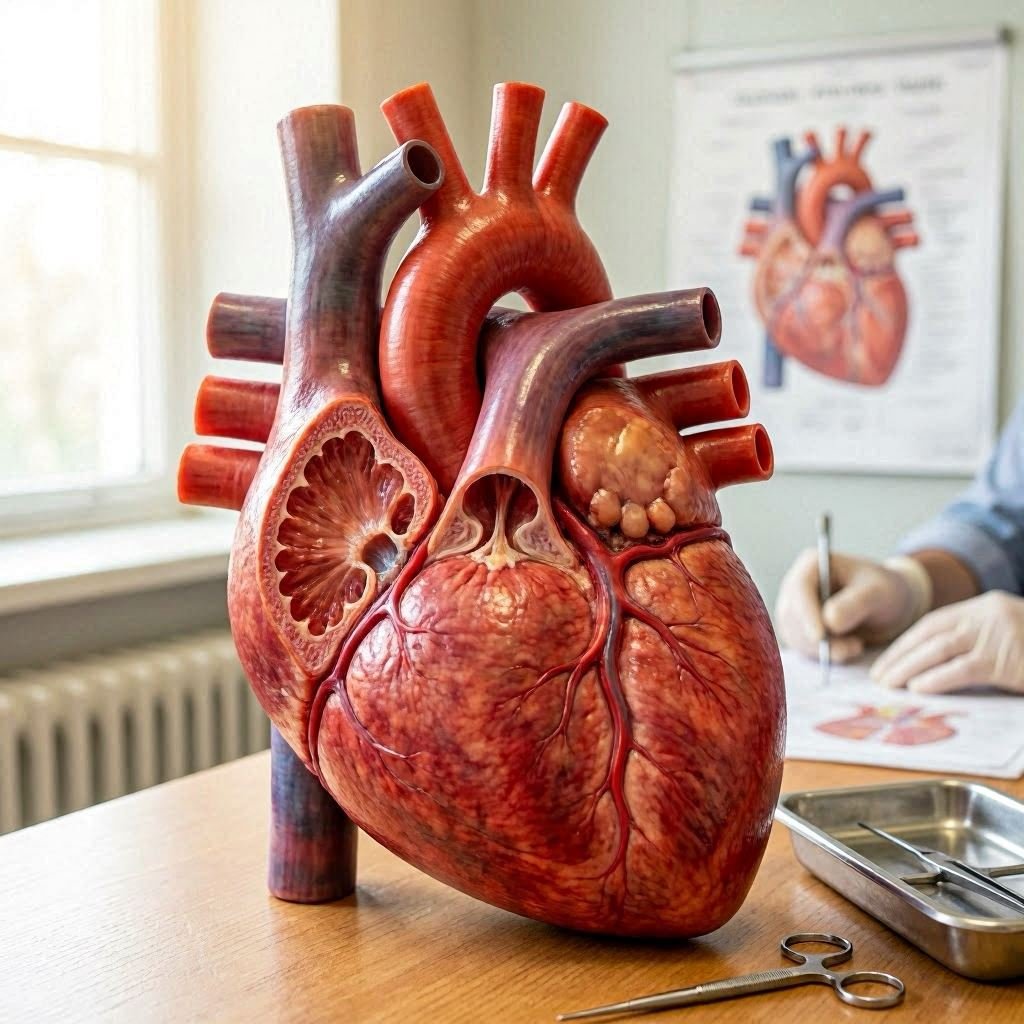
The human heart is among the most vital organs of the human body, which pumps blood throughout the body and keeps it alive. Each beat pumps oxygen, nutrients, hormones, and other vital materials into tissues around the body, and eliminates carbon dioxide and waste products. The structure of the heart is specially adapted to carry out this challenging function, with its muscular strength, coordinated electrical activity and efficient system of chambers and valves ensuring blood flow. The heart is but a fist, but does a tremendous amount of work each day, beating thousands of times so that all organs and tissues are able to function. The anatomy of the heart and the circulation of blood within it offer a good insight into cardiovascular health and why it is important to maintain the health of the heart for active living and well-being.
The structure and the anatomy of the heart
The structure of the heart shows that it is a highly specialized muscular organ in the chest cavity between the lungs. The rib cage protects the heart, and a membrane called the pericardium encircles it helping to prevent friction during its motion. Cardiac muscle tissue is the predominant tissue of the heart and it is a unique form of muscle that is able to contract without fatigue in normal conditions.
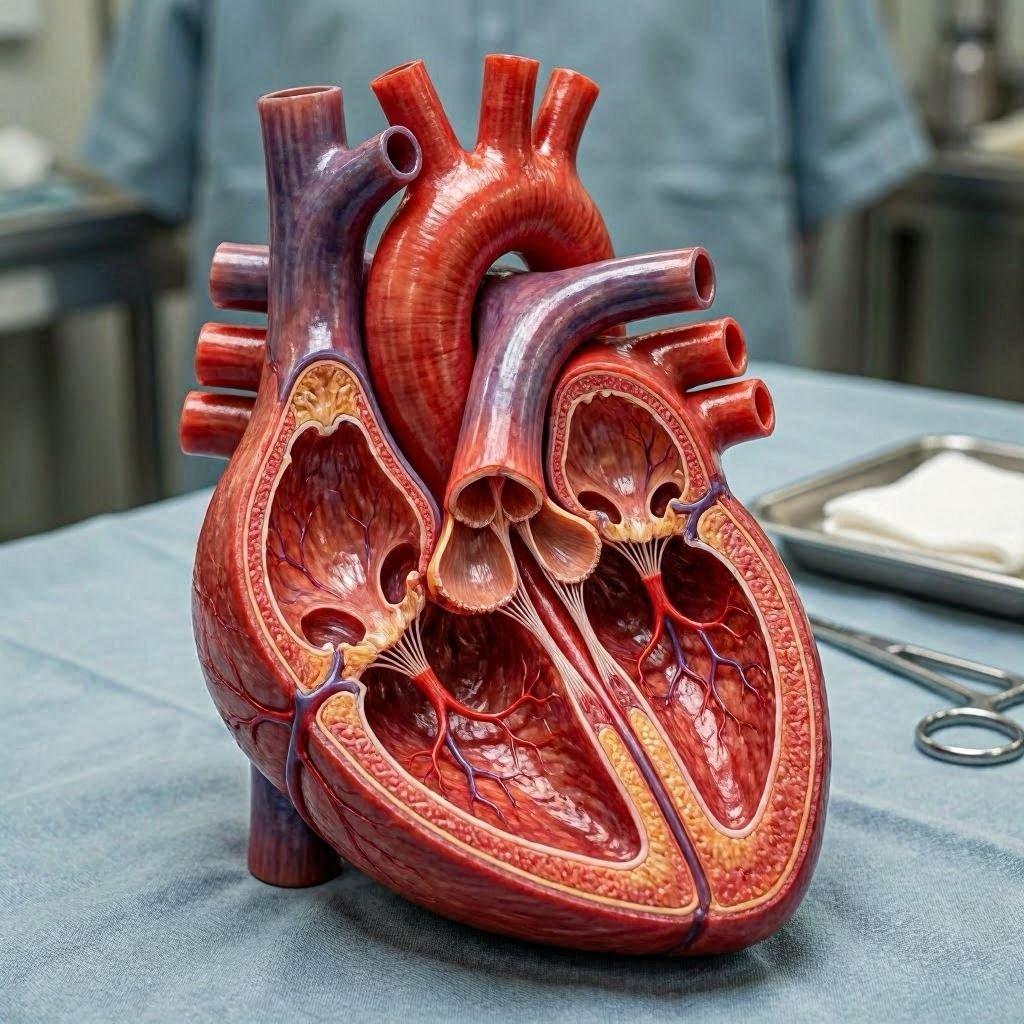
There are 4 chambers of the heart: right atrium, right ventricle, left atrium, and left ventricle. The upper chambers of the heart are called the atria (atrium), and their job is to receive blood flowing back into the heart; the lower chambers of the heart are called the ventricles and their job is to push blood out of the heart. The walls of the ventricles are thicker than those of the atria because they need more force in order to contract. The left ventricle has the thickest wall of all as it pumps oxygenated blood around the whole body. This is a chamber system which enables the heart to distinguish between oxygenated and deoxygenated blood and promotes efficient circulation.
The valves and the direction of blood flow in the heart
One of the important features of the heart anatomy is the presence of valves to regulate blood flow and stop back flow. There are 4 large valves in the heart: tricuspid, pulmonary, mitral and aortic valves. These valves open and close based upon the pressure of blood in the heart chambers, allowing blood to flow in only one direction.
The tricuspid valve is between the right atrium and right ventricle, and the pulmonary valve is between the right ventricle and the pulmonary artery. Mitral valve lies between the left atrium and left ventricle of the heart on the left side, while the aortic valve is situated between the left ventricle and the aorta. These valves must operate correctly as any disruption could have an effect on the circulation efficiency and put strain on the heart.
The sounds of the heartbeat are also caused by the opening and closing of heart valves. They are produced by the mechanical activity of the heart during the cardiac cycle, as blood moves through the heart and the heart valves close.
The major blood vessels associated with the heart
The heart has a number of large blood vessels that carry blood to and from the heart. These vessels are used as routes for the movement of oxygenated and deoxygenated blood around the body and lungs.
The Superior and Inferior Vena Cava are two big veins which bring oxygen-depleted blood back to the right atrium from the body. This deoxygenated blood will be transported by the pulmonary arteries to the lungs where gas exchange will take place. When oxygen is absorbed by the lungs, the pulmonary veins carry the oxygenated blood back to the left atrium.
The aorta is the largest artery in the body which transports oxygenated blood from the left ventricle around the body. Blood passes to smaller arteries and capillaries from the aorta to supply oxygen and nutrients to tissues. This system of vessels ensures continuous circulation and a supply of the cardio system to all body organs.
To understand the events of the cardiac cycle
The cardiac cycle describes the events of the heart that enable it to pump blood efficiently. A knowledge of the cardiac cycle is necessary to understand the role of the heart’s anatomy in ensuring circulation and blood flow in the body.
There are two phases in a cycle: Diastole and Systole. In diastole, relaxation of the heart muscle allows blood to enter the heart chambers. Systole is when the ventricles squeeze and eject blood from the heart. These phases are interconnected and in a precise rhythm under the direction of the electric conduction system of the heart.
The sinoatrial node contains special cells that send out electrical signals that travel through the heart muscle to make it contract. This electrical activity makes sure the atria contract first then the ventricles, maximizing the efficiency of the blood movement. Each beat of the heart represents one part of the cardiac cycle and the repeated cycle ensures that the heart can keep pumping blood throughout the day, both when the body is at rest and during activity.
Blood Capillary Exchange: Oxygenated & Deoxygenated Blood is Circulated
The main role of the heart’s anatomy which it plays is the separation and circulation of oxygenated blood and deoxygenated blood. The right side carries blood from the body which is low in oxygen, and the left side pumps blood to the tissues of the body that is rich in oxygen.
Oxygen poor blood enters into the right atrium and flows to the right ventricle and is discharged to lungs by pulmonary arteries. Carbon dioxide is released in the lungs and oxygen is absorbed into the bloodstream. The oxygen-rich blood then flows back to the left atrium through the pulmonary veins, to the left ventricle and then to the aorta to be carried around the body.
This separation of blood circulation allows tissues to be supplied with a constant supply of oxygen for cellular respiration and energy production. It also facilitates the elimination of carbon dioxide and other waste products, which helps to maintain the balance and health within the body.
The heart is important to your body during rest and physical activity
The structure of the heart enables it to respond to the body’s needs. At rest, the heart circulates blood to sustain normal body function and provide organs like the brain, kidneys, and liver with blood. But, when the body is active, it requires much more oxygen and food.
Consequently, the heart rate increases and the force of contraction is greater, which results in an increased cardiac output and enhanced blood flow to the exercising muscles. Active tissues’ blood vessels become enlarged to admit more blood and the nervous system and hormones act on the heart rate and blood pressure. This adaptability allows the body to maintain a level of activity and respond to the body’s varying physical needs efficiently.
With the regular training, athletes can build their heart stronger and efficient. They can increase the amount of blood pumped by each beat of their hearts, thus increasing their endurance and decreasing the amount of rest required.
Overall Wellness and Heart Health
Good heart health is vital due the relationship between the structure of the heart and the function of the body. When the circulatory system is compromised, it can also help lead to other conditions, like hypertension, coronary artery disease, heart failure, and stroke.
Diet, exercise, smoking, stress and sleep quality all affect the health of the heart. A healthy heart muscle is a result of regular exercise and a balanced diet helps maintain healthy blood vessels and cholesterol levels. Preventing smoking, and managing stress, can decrease stress on the cardiovascular system and the risk of chronic disease.
Preventive health is also vital since consistently scheduled medical examinations can catch risk factors early. Cardiovascular fitness not only helps to maintain circulation, but it also helps ensure that people are able to function physically, mentally, and have sufficient energy.
It is crucial to understand cardiac function
The knowledge of the anatomy of the heart and cardiac function will give a deeper understanding of how the body sustains life and how it functions when subjected to physical demands. Because the heart is responsible for pumping blood constantly, efficiently and effectively, it is necessary for life because all organs require blood supply.
The knowledge of the cardiac function also underlines the significance of healthy lifestyle and preventive management. Understanding the mechanisms of the heart and the impacts of various factors on cardiac health empowers individuals to make informed decisions that promote overall well-being and minimize the risk of heart disease.
Conclusion
The heart is an amazing structure where complexity and efficiency in action. The heart’s role is to continuously pump both oxygenated and deoxygenated blood through the chambers, valves and large blood vessels, to ensure the blood supply reaches every part of the body. The cardiac cycle provides coordinated contractions to aid in efficient blood flow at rest and during exercise. In addition to sustaining life, the heart is a major contributor to health, organ function and energy production. The function of the heart underscores the need to ensure cardiovascular health by adopting good health habits, physical exercise, and preventive measures; thereby enabling the body to function optimally and meet the demands of daily living.