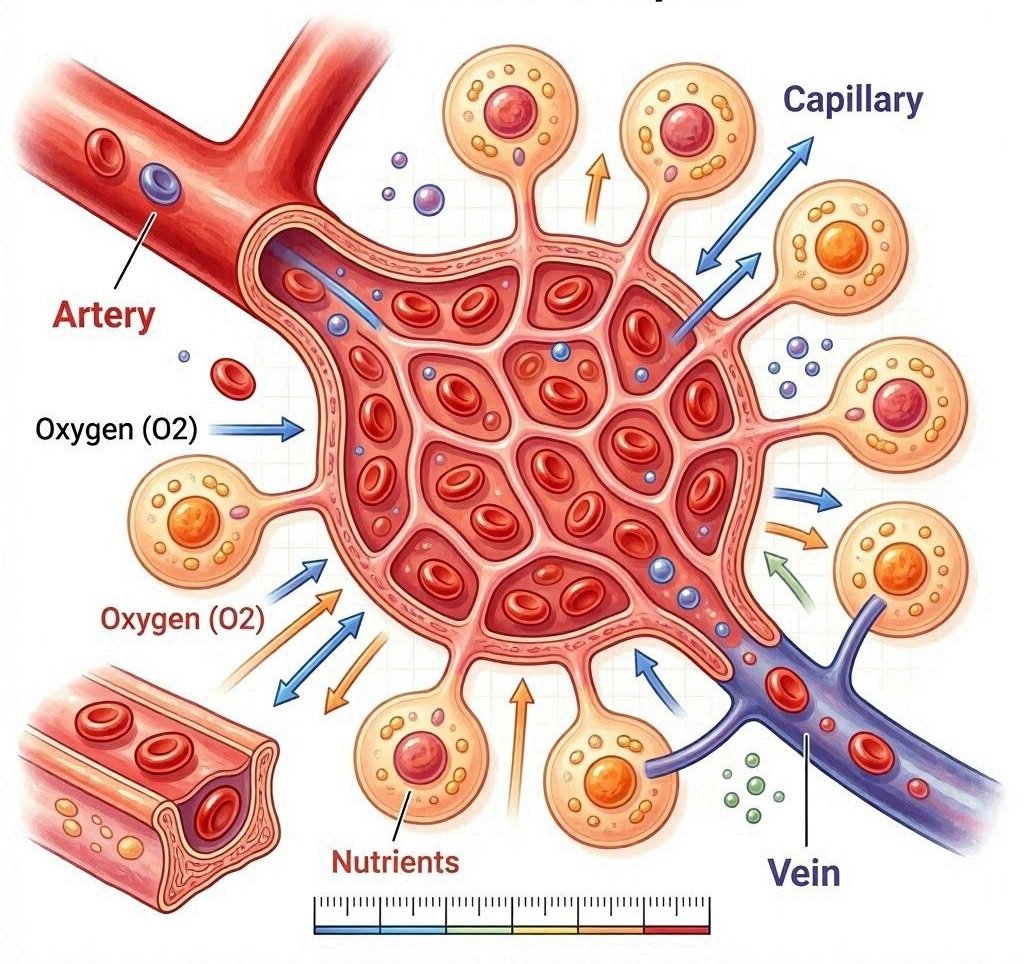
Blood vessels are the integral parts of the circulatory system which comprise an extensive network that carries blood around the human body. All cells require a continuous supply of oxygen, nutrients and hormones that are carried by the circulation of blood, and the removal of waste products like carbon dioxide needs to be efficient as well. This movement of blood is continuous, provided by arteries, veins and capillaries, which provide materials to the organs and tissues necessary for their survival and normal function. In addition to their role in transporting blood, blood vessels control blood pressure, aid in regulating body temperature, and respond to the physical changes of exercise and stress. To grasp how blood vessels operate, one can gain a better understanding of cardiovascular health and the importance of keeping blood circulation healthy for general wellness and disease prevention.
Understanding Blood Vessels and Cardiovascular Health
Blood vessels form a network that carries blood from the body tissues to the heart and from the heart to the body tissues. These vessels are the arteries, veins and capillaries, which each have special structures to facilitate other functions of circulation. This helps to circulate breathable blood around the body and to take breathable blood back to the heart and lungs for renewal.
Blood vessels are also directly related to cardiovascular health, since it is essential that blood circulate efficiently for the proper functioning of organs and the production of energy or to eliminate waste. A healthy blood vessel keeps the blood moving and keeps the blood pressure normal, but a damaged or narrowed blood vessel can decrease blood flow and lead to heart disease, stroke and other chronic diseases. The structure and flexibility of blood vessels are, therefore, important factors, helping to maintain long-term health.
The delivery of oxygen-rich blood is carried out by arteries
Arteries are blood vessels that transport blood from the heart. Most arteries carry oxygen-rich blood which has recently been circulated through the lungs and picked up oxygen. Arterial walls are thick, muscular and elastic to withstand and control the force of each heartbeat, since blood travels out of the heart at high pressure.
The aorta is the biggest artery in the body, and it carries blood away from the left ventricle of the heart. Blood flows from the aorta via smaller and smaller arteries which extend throughout the body. These arteries supply cells, organs, muscles and tissues with oxygen and nutrients for respiration and energy generation.
Arteries are also crucial in controlling blood pressure. Their walls are elastic, stretching during contraction and recoiling between contractions, to keep the blood flowing. Capable of adapting to changes in pressure is crucial for maintaining cardiovascular well-being and effective blood flow during different physical scenarios.
The veins return blood to the heart and are anterior
Veins are vessels that return blood to the heart after it has been carried to tissues where it picks up oxygen and nutrients. Veins have lower blood pressure and thinner walls than arteries. Many veins also have valves to stop blood from running backwards, particularly in the legs where blood has to flow upwards against gravity.
The majority of veins carry deoxygenated blood with carbon dioxide and metabolic wastes. This blood goes back to the right side of the heart, then to the lungs to be oxygenated. The superior and inferior vena cava are the largest veins in the body which bring blood from above and below.
Muscle contractions also help in eliminating blood from a particular area. Skeletal muscles push blood back towards the heart during movement and exercise by compressing the veins that are close to them. This exercise demonstrates the connection between exercise and cardiovascular health: physical activity promotes healthy circulation and helps prevent blood pooling or clot formation.
The capillaries and exchange of nutrients and waste
Capillaries are the smallest blood vessels in the body and are the main location at which exchange takes place between the blood and tissues. They have only one cell thick walls, which allows oxygen, nutrients, hormones and waste products to readily pass from the bloodstream to surrounding cells.
Oxygen-rich blood arrives in the capillaries, where the oxygen and nutrients diffuse into the tissues, where they are utilized in the production of energy and to carry out cellular functions. Meanwhile, CO₂ and metabolic waste products are transported from tissues to the blood for elimination. This exchange is necessary because cells must be constantly bathed in oxygen and nutrients to survive.
The capillaries are particularly dense in the most active tissues, like muscles, the brain and the lungs. When the body is working, capillaries can dilate and blood flow can increase to the working muscles to help supply oxygen to muscles and get them to work for longer. As a result, the efficient capillary function makes an important contribution to overall cardiovascular health and endurance.
The control of blood pressure and blood vessel function
Blood pressure is a measurement of the pressure of blood flowing through the blood vessels. Stable blood pressure is needed for proper circulation since tissues need adequate pressure to get oxygen and nutrients. Blood vessels are very important in the process as they control their diameter according to the body needs.
Arteries and smaller blood vessels known as arterioles can dilate and contract to change the amount of blood that flows through them and the pressure exerted. In the exercise state, vessels supplying the active muscles get wider to provide more blood to the muscles in use, and vessels in less active areas may narrow for a short time during exercise. In times of stress, the nervous system triggers a constriction of the vessels, which causes a rise in blood pressure and sends blood to the vital organs and muscles.
Disorders in the regulation of blood pressure may have a negative impact on cardiovascular health. High blood pressure can cause damage to the walls of vessels and lead to heart disease and stroke; low blood pressure could cause lower blood flow to organs. To keep vessels healthy is therefore crucial to ensuring balanced circulation and protecting the cardiovascular system.
The adaptability of blood vessels and exercise
Blood vessels respond strongly to exercise, and it is one of the best methods of enhancing the health of the cardiovascular system. While muscles are active, they need more oxygen and nutrients, which increases blood flow and efficiency of circulation in the cardiovascular system.
Exercise helps to make the blood vessels elastic and make the heart more robust, which enables them to dilate more to accommodate a higher flow of blood. Exercise also encourages the growth of new capillaries in muscle, giving them more oxygen. All of these adjustments help to decrease stress on the heart and promote efficient blood flow at rest and during exercise.
Exercise keeps the blood pressure in check, enhances the cholesterol profile and reduces the inflammation in blood vessels. The advantages of being active make an active lifestyle a powerful indicator of better long-term health outcomes and lower risk of heart and blood vessel disease.
Pay attention to how stress affects your blood vessels, your lifestyle habits, and your blood vessel health:
Lifestyle choices play a big role in how blood vessels work and in good cardiovascular health. Long-term exposure to stress, unhealthy lifestyle habits, such as smoking and not exercising, can cause damage to blood vessels over time, which can make them less flexible and contribute to the formation of plaque in arteries
When an individual is under stress, the body launches a fight-or-flight response, causing an increase in blood pressure and heart rate. This is a healthy response when a crisis is occurring; however, it is quite stressful when it happens for long periods of time and can cause high blood pressure. Smoking causes an artery to narrow and damages the walls of the vessels, and decreases blood flow, thereby raising the risk of heart disease
The diet too is an important determinant of vascular health. The excess consumption of saturated fat, sugar and too much sodium can lead to plaque build-up and high blood pressure. Balanced diets with plenty of fruits and vegetables, whole grains and healthy fats, however, help maintain healthy circulation and vessels. A healthy lifestyle accordingly helps to maintain blood vessel function and lower the threat of chronic cardiovascular disease.
Blood Vessels & Waste Removal
Blood vessels carry oxygen and nutrients and also play a part in clearing waste products resulting from cell activity. Metabolic CO₂ is transported by veins to the lungs and then exhaled. Other wastes materials are conveyed to organs like the liver and kidney for processing and removal.
Waste removal is essential to keep internal conditions stable and to prevent tissues from accumulating harmful waste. If this circulation becomes blocked, waste products can build up which can lead to abnormal cell function and disease. This function of taking away waste also highlights the significance of healthy blood vessels for the balance of the body and cardiovascular health.
Conclusion
Blood vessels have important functions in the transportation of oxygen, nutrients, hormones, and waste throughout the body to maintain life. Arteries carry blood with a high oxygen concentration at high pressure, veins transport blood with a low oxygen concentration at a low pressure and capillaries allow exchange of essential materials between tissues and blood. These vessels work together to manage blood pressure, react to exercise and stress and facilitate proper circulation. Their condition affects heart health, and thus their energy level, organ function and risk for chronic diseases. The role of blood vessels underscores the need for healthy lifestyle choices, regular exercise, and preventive measures to maintain proper blood flow and overall health.