Accurate cut and fill calculations are crucial for any construction project involving grading, excavation, or site development. For contractors and material suppliers in the United States, understanding how layers work in earthwork can save time, reduce material costs, and prevent costly mistakes.
What is Cut and Fill in Earthwork?
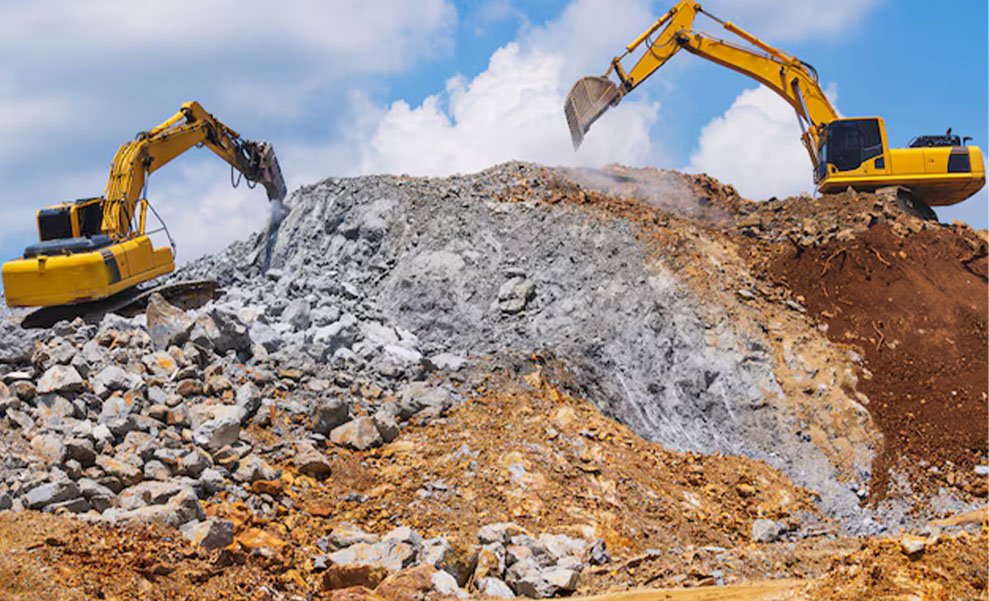
Cut and fill is the process of removing (cutting) soil from high areas and placing it (filling) in low areas to achieve the desired site elevations. The goal is to create a level base for construction, whether it’s for roads, buildings, or landscaping.
Every site has unique contours and slopes, and each layer of soil behaves differently depending on its composition. A proper understanding of layers is essential to ensure the project remains on budget and on schedule.
Layers in Cut-Fill Work
In cut-fill operations, the earth is typically moved in layers. Each layer represents a specific depth of excavation or fill. Layering is essential for several reasons:
- Accuracy: Moving soil in smaller, controlled layers ensures that the final grade matches the planned design.
- Compaction: Filling in layers allows each layer to be compacted properly, which is critical for structural stability.
- Efficiency: Layering helps contractors plan the machinery needed and track material volumes accurately.
Professional earthwork takeoff services help contractors calculate these layers precisely, ensuring that the right amount of soil is cut or filled for each section of the site.
How to Calculate Layer Volumes
Each layer in cut-fill work has a distinct volume, which depends on the area and depth. To calculate this:
- Measure the surface area for that layer.
- Multiply by the thickness of the layer to get the volume.
- Repeat this for every layer until the final grade is reached.
Using advanced sitework estimating services, contractors can automate these calculations. Software tools provide 3D modeling and layer-based calculations, making it easier to plan machinery, labor, and material logistics.
Factors Affecting Layer Thickness
Several factors influence how contractors choose layer thickness for cut and fill operations:
- Soil Type: Sandy soils may require thinner layers for proper compaction, while clay can be handled in thicker layers.
- Equipment Capacity: The type and size of machinery determine how much material can be moved at a time.
- Moisture Content: Wet soils can compact differently than dry soils, affecting layer depth.
- Site Conditions: Slopes, retaining walls, and existing structures impact how layers are formed and placed.
Understanding these factors is essential to avoid rework and additional costs.
Benefits of Layered Cut-Fill Approach
Implementing a layered approach in earthwork has multiple benefits:
- Precision: Reduces errors in final grading and ensures alignment with design specifications.
- Cost Savings: Prevents over-excavation or unnecessary fill, lowering material and labor costs.
- Quality Control: Proper layering and compaction result in a stable, durable foundation.
- Time Management: With accurate layer planning, contractors can schedule equipment efficiently and avoid delays.
Earthwork takeoff services provide detailed volume calculations for each layer, allowing contractors to plan material purchases and machinery allocation precisely.
Common Mistakes in Layered Cut-Fill
Despite the advantages, contractors often make mistakes:
- Ignoring Layer Compaction: Not compacting each layer properly can cause settling and uneven surfaces.
- Inconsistent Layer Depths: Varying thickness without proper planning leads to inaccurate volume calculations.
- Overlooking Soil Variability: Different soil types require different handling. Treating all layers the same can reduce structural stability.
- Manual Calculations: Relying solely on manual calculations increases the risk of errors and misestimates.
Utilizing professional sitework takeoff services reduces these risks by providing detailed, layer-based calculations and digital models of the site.
Integrating Layer Analysis with Takeoff Services
Modern takeoff services not only provide overall quantities for a site but also break down cut and fill work layer by layer. This allows contractors to:
- Determine precise material volumes.
- Optimize equipment use.
- Minimize waste.
- Track progress more efficiently.
By combining layer analysis with takeoff services, contractors gain better control over costs, timelines, and project quality.
Conclusion
Understanding layers in cut-fill work is essential for accurate grading, material management, and structural stability. Layered excavation and fill ensure proper compaction, reduce errors, and save both time and money.
For contractors and material suppliers, leveraging earthwork takeoff services and sitework takeoff services ensures accurate calculations and smoother project execution. These services help translate design plans into actionable steps, enabling efficient use of resources and minimizing risks.
Adopting a systematic, layer-based approach is not just a best practice; it is critical for success in modern construction projects. Contractors who understand and implement this process are better equipped to deliver high-quality results while controlling costs.