The kitchen has long been considered the heart of the home—a place where meals are prepared, conversations are shared, and memories are made. Whether you’re looking to modernize your space, increase functionality, or simply add more value to your home, kitchen remodeling can be one of the most rewarding renovation projects. While it requires thoughtful planning, the results can significantly improve your quality of life and even boost your home’s market appeal.
In this comprehensive guide, we’ll explore the various aspects of kitchen remodeling, including design considerations, budgeting, materials, current trends, and tips for a successful project. By the end, you’ll be well-equipped to make informed decisions that will transform your kitchen into a stylish and functional space tailored to your lifestyle.
Understanding the Purpose of Remodeling
Before diving into design choices or hiring a contractor, it’s essential to understand why you want to remodel. Are you looking for more space, better functionality, energy efficiency, or a completely new aesthetic? Defining your goals early on helps prioritize your budget and design decisions.
Common reasons homeowners undertake kitchen remodeling projects include:
- Outdated layout or design
- Lack of storage or counter space
- Improved energy efficiency
- Upgrading appliances and fixtures
- Increasing property value
By clearly identifying your objectives, you can ensure that your remodeling project aligns with your long-term vision for the home.
Planning the Layout: Functionality First
One of the foundational elements of a successful kitchen remodel is a well-thought-out layout. The classic “work triangle”—the efficient placement of the sink, stove, and refrigerator—continues to be a guiding principle for kitchen design. However, modern lifestyles and technologies have introduced more flexibility and personalization.
Some popular kitchen layouts include:
- Galley Kitchen – Ideal for smaller spaces, featuring two parallel countertops.
- L-Shaped Kitchen – Offers an open design and efficient work zones.
- U-Shaped Kitchen – Provides maximum counter and storage space.
- Island Kitchen – Adds both workspace and seating, popular in open-concept homes.
When planning your layout, consider how you use your kitchen daily. Think about traffic flow, ease of movement between stations, and the number of people typically using the space at once.
Choosing the Right Materials
Materials set the tone for your kitchen both aesthetically and functionally. Choosing the right combination ensures durability while achieving your desired look.
Countertops
Your choice of countertop material can greatly influence the kitchen’s overall vibe:
- Granite – Durable and heat-resistant, available in various colors and patterns.
- Quartz – Non-porous and low-maintenance, a favorite for modern kitchens.
- Marble – Elegant and timeless, though more susceptible to stains.
- Butcher Block – Adds warmth and a rustic touch, requires regular maintenance.
Cabinets
Cabinetry typically takes up the most visual space in a kitchen. Choose between stock, semi-custom, or custom cabinets based on your budget and design needs. Popular materials include hardwood, plywood, and MDF, with finishes ranging from matte to high-gloss. If you’re considering a refresh, professional cabinet refinishing in Mesa can give your kitchen a modern update without the expense of a full replacement.
Flooring
The kitchen floor should be both stylish and resilient:
- Tile – Classic and easy to clean, available in endless styles.
- Hardwood – Warm and inviting, though it may require more maintenance.
- Luxury Vinyl Plank (LVP) – A budget-friendly alternative that mimics wood or stone.
- Concrete – Modern and industrial, durable but cold underfoot.
Lighting and Fixtures
Lighting is often underestimated in remodeling projects, but it plays a vital role in both functionality and ambiance. A well-lit kitchen includes three types of lighting:
- Ambient Lighting – General overhead lighting, usually from recessed lights or a central fixture.
- Task Lighting – Focused light for work areas, such as under-cabinet lighting.
- Accent Lighting – Decorative lighting that highlights design features or adds personality.
Fixtures like faucets and sinks should complement the overall style while also offering practical features such as pull-out sprays or deep basins.
Smart Technology Integration
Modern kitchens are smarter than ever. Integrating technology can boost efficiency and convenience:
- Smart Appliances – Ovens that can be controlled by smartphone, refrigerators with inventory tracking.
- Touchless Faucets – Help maintain hygiene and reduce water usage.
- Voice-Controlled Lighting – Set mood or task lighting with voice commands.
- Built-in Charging Stations – Keep electronics powered and accessible.
As these technologies become more affordable and user-friendly, incorporating them into your remodeling project can future-proof your kitchen.
Budgeting for a Kitchen Remodel
Costs can vary significantly depending on the scope of your project. According to national averages, a mid-range kitchen remodel can range from $25,000 to $50,000, while upscale renovations can exceed $100,000.
Here’s a rough breakdown of where the money goes:
- Cabinetry and Hardware – 30%
- Installation – 15%
- Appliances – 15%
- Countertops – 10%
- Flooring – 7%
- Lighting – 5%
- Plumbing – 5%
- Miscellaneous – 13%
To stay within budget, prioritize elements that matter most to your daily use, and consider phasing the remodel if necessary. Always include a contingency fund—typically 10-20% of your total budget—for unexpected costs.
Popular Design Trends
While timeless style is always a safe choice, some current trends can add a contemporary edge to your kitchen:
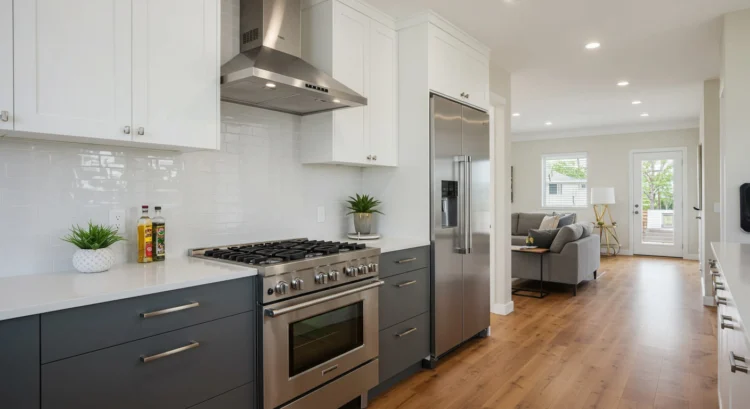
- Two-Tone Cabinets – Contrasting upper and lower cabinets create visual interest.
- Open Shelving – Replaces upper cabinets to make the space feel larger and airier.
- Matte Finishes – Particularly for appliances and hardware, offering a modern aesthetic.
- Mixed Materials – Combining metal, wood, and stone for a layered, designer look.
- Large Kitchen Islands – Multi-functional, acting as prep space, dining area, and storage hub.
Embracing trends carefully allows you to personalize your kitchen while avoiding styles that may quickly become dated.
DIY vs. Professional Help
Some homeowners opt to handle aspects of remodeling on their own to save money. While DIY can be effective for painting, backsplashes, or minor installations, larger tasks—like plumbing, electrical work, and cabinet installation—often require professional expertise.
Hiring a contractor ensures your remodel complies with building codes and reduces the likelihood of costly errors. Be sure to check references, licenses, and reviews before making a selection.
Timeline Expectations
A full kitchen remodel typically takes 6–12 weeks once construction begins. The timeline can be broken down into:
- Planning and Design – 2–4 weeks
- Ordering Materials – 2–6 weeks
- Demolition – 1 week
- Structural/Mechanical Work – 1–2 weeks
- Installation (Cabinets, Flooring, Fixtures) – 3–4 weeks
- Finishing Touches – 1 week
Delays can occur due to backordered materials, permit issues, or unforeseen structural problems. Building in flexibility helps reduce stress during the remodeling process.
Final Touches and Personalization
Once construction is complete, it’s time to add those finishing touches that make your kitchen uniquely yours. Consider:
- Decorative hardware
- Custom pantry organizers
- Plants or herb gardens
- Artwork or framed recipes
- Comfortable seating options
This is your chance to infuse personality and ensure the space feels like home.
Long-Term Benefits
While kitchen remodeling can be a significant investment, the long-term rewards often outweigh the costs. Beyond aesthetics, you’ll benefit from:
- Improved functionality
- Increased energy efficiency
- Higher resale value
- Enhanced comfort and enjoyment
It’s not just a change in space; it’s a transformation of lifestyle.
Conclusion
A well-executed kitchen remodeling project can breathe new life into your entire home. From improved workflow and energy efficiency to increased market value and personal enjoyment, the impact is profound. By carefully planning your layout, choosing durable and stylish materials, and balancing budget with vision, you can create a kitchen that not only looks amazing but also supports your daily needs for years to come.
If you’re ready to take the next step, consider partnering with design professionals or trusted contractors to guide you through the journey. Whether you’re updating a few key elements or undergoing a full transformation, kitchen remodeling is a worthwhile investment in your home and your future.