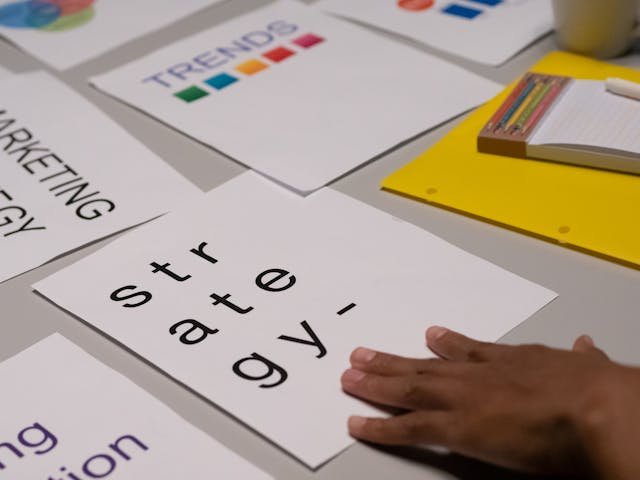
In a business world increasingly saturated by digital noise and ephemeral AI-generated content, the physical touchpoints of a brand have taken on a new level of strategic importance. As we move through 2026, the “digital-first” mantra is evolving into a “phygital” reality—where the most successful enterprises are those that can bridge the gap between their online presence and a tangible, high-stakes physical identity.
Corporate printing has moved beyond simple document production; it is now a critical tool for establishing trust, conveying authority, and creating sensory brand experiences that a screen simply cannot replicate.
The Psychology of Physicality in B2B Relationships
The psychological impact of a physical document is profound. Research into haptics—the science of touch—suggests that people process information on paper with more focus and emotional connection than information on a screen. For corporate entities, this means that a physical annual report, a high-end pitch deck, or even a bespoke business card acts as a “physical handshake” that signals stability and attention to detail.
In the high-stakes world of corporate tenders and multi-million dollar contracts, the “weight” of your presentation matters. A flimsy, poorly printed document suggests a flimsy, poorly managed operation. Conversely, a professionally bound, high-fidelity printed asset suggests a brand that is established, meticulous, and prepared to invest in its professional image.
Beyond the Page: Innovation in 2026 Corporate Print
Modern corporate printing is no longer restricted to standard paper and ink. Innovation in the industry has introduced new ways for brands to differentiate themselves:
- Substrate Sophiciency: We are seeing a move toward recycled but “luxury-feel” substrates, such as FSC-certified stocks with unique textures that communicate a brand’s commitment to sustainability without sacrificing premium aesthetics.
- Specialized Finishes: Techniques like Scodix (digital raised foil), soft-touch lamination, and spot UV are being used strategically to highlight key brand elements, making the reading of a corporate brochure a multisensory experience.
- The “Phygital” Bridge: QR codes and NFC (Near Field Communication) tags are now standard in corporate print, allowing a physical handout to act as a portal to dynamic digital content, such as personalized video messages from a CEO or real-time data dashboards.
The Tactical Edge of Localized Expertise
While the design of a corporate identity is often a global endeavor, its physical execution requires localized precision. The nuances of color management, binding strength, and paper grain direction are best handled by experts who can provide hands-on quality control and rapid prototyping.
For many leading organizations, the ability to work with a partner who understands the local business climate is invaluable. For instance, securing high-quality Corporate Printing in Melbourne allows a firm to review physical proofs and ensure that their brand’s specific “signature colors” are replicated perfectly across every medium, from wide-format boardroom graphics to delicate stationery. This level of proximity ensures that the final product is not just a copy, but a perfect physical manifestation of the brand’s digital vision.
Precision Pre-Press: The Foundation of Corporate Excellence
The difference between “good” and “exceptional” printing lies in the pre-press phase. This is the stage where digital files are optimized for the physical world. In the corporate sector, where consistency is king, the technical details are non-negotiable:
- Vector Precision: Ensuring that logos and graphics are in vector format so they remain crisp at any scale, whether on a business card or a 2-meter tall exhibition banner.
- Color Profiling: Converting digital RGB assets to CMYK or specific Pantone colors to ensure that your “Corporate Blue” looks the same in Melbourne as it does in your global headquarters.
- Structural Integrity: Calculating spine widths for perfect binding and ensuring correct bleed and margin tolerances so that every cut is exact and every fold is clean.
Conclusion: Investing in Brand Permanence
As digital advertising costs continue to rise and consumer attention spans continue to shrink, the permanence of a well-crafted printed asset is a rare and valuable commodity. A physical document sits on a desk; it travels in a briefcase; it remains in a boardroom long after a digital presentation has ended.
By prioritizing high-level production and utilizing specialized services like Corporate Printing in Melbourne, modern businesses are choosing to stand out through quality and substance. In 2026, the most influential brands are not just seen—they are felt. Investing in the tactile reality of your brand is not just a marketing expense; it is an investment in the authority and longevity of your business.