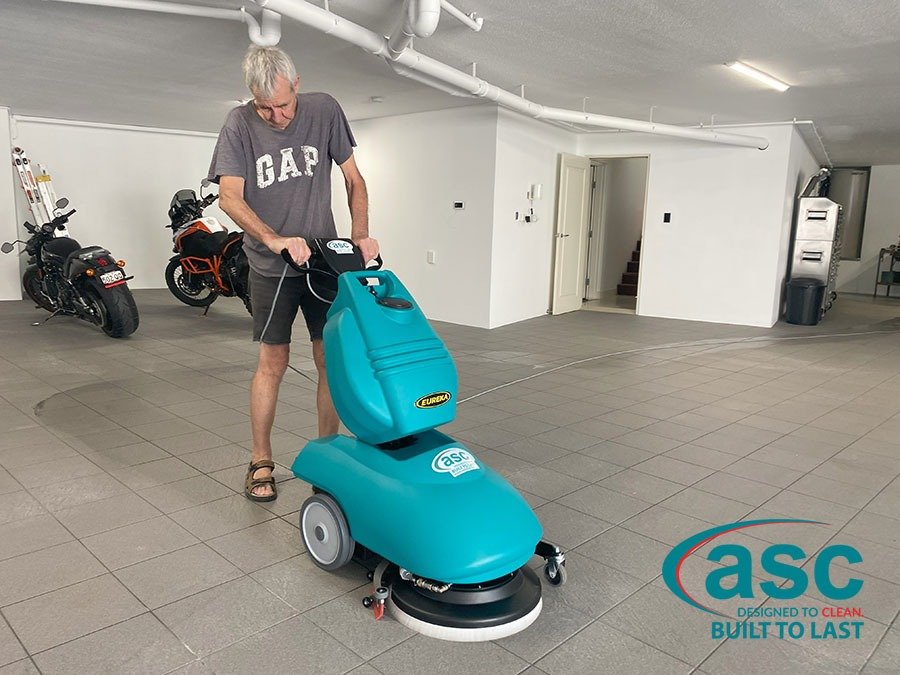
Safety in mining operations depends on managing environmental hazards that accumulate over time across work areas. Dust, mud, debris, and contamination create genuine safety risks that go beyond cleanliness concerns. Mine sweepers and scrubbers address these hazards directly, making them essential safety equipment rather than optional cleaning tools.
Today, we will understand how mine sweepers and scrubbers address specific safety hazards in mining environments, what safety outcomes these machines deliver, and why they’ve become essential equipment for maintaining safe working conditions.
How do Mine Sweepers and Scrubbers Maintain Safe Mining Sites?
#1 Controlling Airborne Dust
Silica dust, coal dust, and mineral particulates create respiratory risks that accumulate over time, leading to serious health conditions, including silicosis and chronic respiratory disease.
Dust suppression systems in modern equipment capture airborne particles rather than redistributing them during cleaning. Water spray mechanisms and filtration systems trap fine dust before it becomes airborne, reducing exposure levels significantly. This active dust control prevents contaminated air from spreading across working areas.
Australian coal and hard rock operations face strict regulatory requirements from Safe Work Australia around airborne dust management. Open-cut operations in the Pilbara and Hunter Valley report airborne dust reductions of 60-80% compared to dry sweeping methods.
#2 Eliminating Slip Hazards
Mining sites constantly battle mud, slurry, and surface contamination from wet processes, weather exposure, and material handling. These conditions create slip hazards around equipment access points, walkways, and operational areas.
Proper scrubbing equipment removes contamination thoroughly through mechanical scrubbing action combined with immediate water recovery. This approach extracts wet clay, mineral slurry, and mud completely, preventing re-contamination that occurs when debris spreads rather than being removed entirely.
Underground operations experience particularly dangerous slip conditions. Equipment designed for harsh mining environments maintains safe walking surfaces even in continuously damp conditions. Sites using proper equipment report 30-40% fewer slip-related incidents in high-traffic areas.
#3 Improving Visibility and Operator Safety
Dust accumulation reduces visibility across mining sites, making it difficult for equipment operators to see workers, identify hazards, or navigate safely. Poor visibility contributes to collision incidents and equipment strikes.
Effective dust control reduces airborne dust that obscures sightlines and settles on equipment windows, lights, and safety signage. Maintaining clear visibility allows operators to identify workers, spot potential hazards, and operate equipment safely.
Regular equipment use across roadways, loading zones, and operational areas keeps dust levels manageable throughout shifts. Open-cut mines in dusty regions like the Bowen Basin and Goldfields see particular benefit during high-activity periods when multiple machines work in proximity.
#4 Preventing Equipment Contamination and Failures
Dust and debris contamination cause mechanical failures in mining equipment. Fine particles infiltrate engines, hydraulic systems, and moving components in haul trucks, loaders, and drilling equipment, leading to breakdowns that create dangerous situations.
Controlling dust and debris around equipment operating areas reduces contamination that leads to mechanical failures. Fewer unexpected breakdowns mean fewer situations where disabled equipment creates hazards or where emergency repairs must happen in unsafe conditions.
Clean maintenance areas also support proper inspection, allowing crews to identify potential failures before they become safety incidents.
#5 Meeting Regulatory Compliance Requirements
Australian mining operations must comply with strict workplace health and safety regulations covering dust control and site cleanliness. Non-compliance leads to penalties, operational shutdowns, and increased regulatory scrutiny from state mining inspectorates.
These machines provide documented dust control and site cleaning that support compliance requirements. The mechanical dust suppression they deliver meets regulatory expectations more effectively than manual methods that provide inconsistent results.
Sites using appropriate equipment report 40-50% fewer dust-related compliance issues, with better audit outcomes and reduced regulatory intervention.
Closing Thoughts
Safety in mining operations depends fundamentally on controlling dust, eliminating surface hazards, maintaining visibility, and meeting regulatory standards. Mine sweepers and scrubbers address these safety challenges through dust suppression, thorough contamination removal, and consistent site cleaning.
These machines represent essential safety infrastructure for Australian mining operations, where worker safety and compliance determine operational viability. From coal operations in Queensland to iron ore sites in Western Australia, proper cleaning equipment has become fundamental to maintaining safe working environments that protect workers and support the standards your site must uphold.