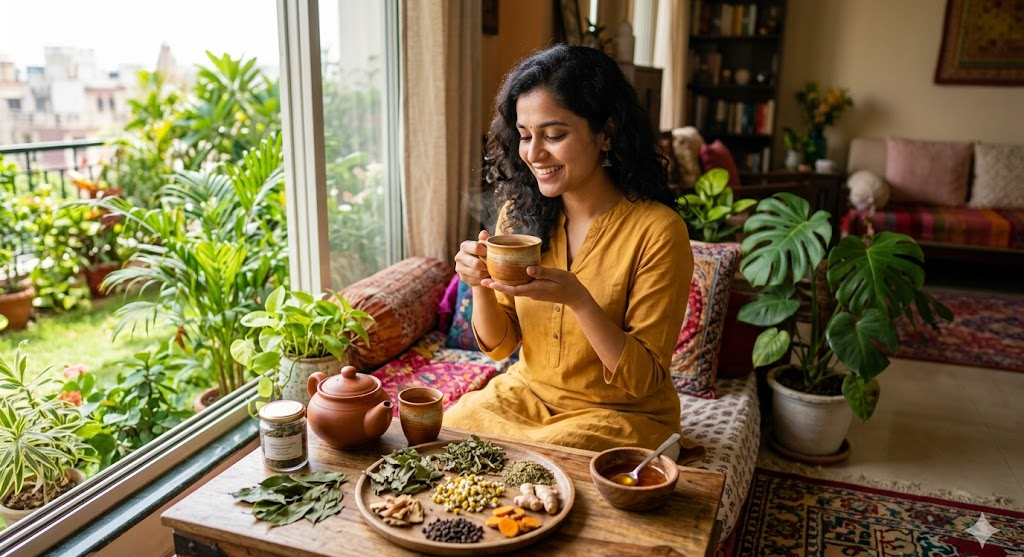
The wellness tea India market has experienced remarkable growth as consumers increasingly prioritize health and wellness in their daily routines. As platforms like Tea1888 continue to showcase the diverse world of wellness beverages, it becomes clear that Indian consumers are moving beyond traditional chai to explore teas that offer specific health benefits and therapeutic properties.
Understanding Herbal Tea Benefits India Consumers Seek
The transformation of India’s tea landscape reflects a broader shift in consumer consciousness. Understanding herbal tea benefits India consumers value most helps explain this market transformation. The Indian tea market is projected to expand from USD 11.72 billion in 2024 to USD 15.12 billion by 2030, representing a compound annual growth rate of 4.34%. Within this growth, the herbal tea segment specifically is experiencing even more robust expansion, with projections showing growth from USD 4.2 billion in 2026 to USD 5.8 billion by 2036.
This remarkable growth stems from what industry experts call the “premiumization of efficacy.” Indian consumers are increasingly willing to pay premium prices for herbal teas that offer verifiable wellness benefits such as improved sleep, digestion, and focus, rather than just flavor variety. The market is evolving toward clinical herbalism, where brands focus on substantiated health claims and sustainable practices.
Popular Herbal Teas in India Driving Market Growth
The popular herbal teas in India reflect both traditional preferences and modern wellness trends. According to comprehensive consumer research, 72% of respondents report daily tea consumption, with over 80% of Indian households consuming tea daily. This provides a stable foundation for wellness tea adoption.
Consumer preferences show interesting patterns across tea categories. Black tea remains dominant with 78% preference, while green tea appeals to 56% of consumers and represents the fastest-growing segment. Herbal tea captures 31% of consumer preference, indicating significant room for growth in this wellness-focused category.
The demographic driving this change consists primarily of Millennials and Gen Z aged between 25-34 years, who are keen on exploring new blends and sharing their experiences on social media. This digitally-savvy, health-conscious consumer base values both tradition and innovation, creating opportunities for brands that can bridge these elements effectively.
Health Benefits of Herbal Tea That Appeal to Indian Consumers
The health benefits of herbal tea range from improved immunity to better sleep quality, addressing specific wellness concerns that resonate with Indian consumers. The COVID-19 pandemic accelerated the shift toward health and wellness, with consumers prioritizing immunity and holistic wellness through functional herbal blends.
Traditional varieties continue to play important roles in this wellness journey. Masala chai, made by blending black tea with spices like ginger, clove, and cardamom, is known for its ability to boost metabolism and enhance appetite. Green tea is widely recognized for its rich antioxidant content that supports the immune system and aids in detoxification, particularly beneficial for those on weight management journeys.
Newer wellness varieties are gaining traction as well. Chamomile tea has become popular for its sleep-promoting and stress-relieving properties, while fennel green tea combinations offer benefits for women experiencing menstrual cramps and support cognitive function. Finding the best wellness tea for immunity in India has become a priority for health-conscious consumers seeking natural ways to support their wellbeing.
Traditional Indian Teas for Health and Cultural Connection
The cultural foundation of tea consumption in India provides a unique advantage for wellness tea adoption. As the second-largest producer of tea globally, India has deep-rooted tea traditions that span centuries. Tea is often referred to as the ‘State Drink’ of Assam, with ongoing discussions to recognize it as the national drink of India.
Traditional Indian teas for health like Kashmiri Kahwa offer detoxifying properties and aid digestion while promoting skin health. Darjeeling tea, often called the “champagne of teas,” provides benefits for weight management and can help prevent gastric ulcers. Nilgiri tea is effective in weight reduction and managing diabetes while promoting oral health.
The integration of Ayurvedic principles adds another dimension to wellness tea appeal. Ayurveda, a holistic system of medicine that originated in India over 3,000 years ago, emphasizes balance between mind, body, spirit, and environment. This ancient wisdom aligns perfectly with modern wellness trends, creating powerful marketing foundations for wellness teas that incorporate traditional ingredients like holy basil, ashwagandha, cardamom, and ginger.
Consumer Preferences Shaping the Market
Quality emerges as the paramount factor influencing buying decisions, with 81% of consumers prioritizing it above all other factors. Brand reputation follows closely at 74%, while price considerations affect 63% of purchase decisions. This hierarchy suggests that consumers are willing to invest in quality wellness teas that deliver on their health promises.
Interestingly, 48% of respondents prefer loose-leaf tea, which is often perceived as fresher and more flavorful, while 33% opt for tea bags. This shift toward loose-leaf tea reflects a growing trend toward quality and a more ritualistic approach to tea preparation, suggesting opportunities for premium loose-leaf wellness tea products.
The retail landscape is evolving with multiple channels serving different consumer needs. While 76% of consumers buy tea from grocery stores, 59% shop online. The rise of e-commerce provides greater accessibility and convenience, particularly important for specialty wellness teas that may not be available in traditional retail outlets.
As the wellness tea market continues to evolve, platforms like Tea188 play crucial roles in educating consumers about the diverse options available and helping them navigate the growing landscape of health-focused tea varieties. The future of wellness teas in India looks promising, driven by a perfect combination of traditional wisdom, modern health consciousness, and evolving consumer preferences that prioritize both quality and wellness benefits.
Frequently Asked Questions
What are the main health benefits of wellness teas?
Wellness teas offer numerous health benefits including improved immunity, better sleep quality, enhanced digestion, stress relief, weight management support, and increased mental clarity. Many varieties also provide antioxidant properties and anti-inflammatory effects that support overall wellbeing.
Which wellness tea varieties are most popular in India?
The most popular varieties include green tea for its antioxidant properties, chamomile for sleep and stress relief, masala chai for metabolism boost, and traditional options like Kashmiri Kahwa for detoxification. Herbal blends combining fennel, cinnamon, and clove are also gaining popularity for their specific health benefits.
How do I choose the right wellness tea for my needs?
Consider your specific health goals when selecting wellness teas. For immunity support, look for teas with ginger, tulsi, or green tea. For better sleep, chamomile or lavender-based teas work well. For digestion, fennel or mint teas are effective. Ayurvedic principles can also guide selection based on your dosha type.
Are wellness teas safe for daily consumption?
Most wellness teas are safe for daily consumption when consumed in moderate amounts. However, it’s advisable to rotate between different varieties to avoid overconsumption of any single herb. Pregnant women, nursing mothers, and individuals with specific health conditions should consult healthcare providers before regular consumption.
What should I look for when buying wellness teas?
Prioritize quality over price, as 81% of consumers do. Look for organic certifications, clear ingredient lists, and reputable brands with good manufacturing practices. Check for proper packaging that preserves freshness, and consider loose-leaf options for better quality and flavor.