If you share your home with multiple cats, you already know the daily struggle. The moment you finish scooping one litter box, another is already overdue. The smell hits you when you walk through the door, guests notice it before they even sit down, and no matter how diligent you are, it feels like you’re fighting a losing battle against odor, mess, and sheer volume. Standard litter boxes simply weren’t designed for the demands of a multi-cat household. They fill up too quickly, require constant attention, and often become a source of tension—not just for you, but for your cats as well. When boxes aren’t clean enough, cats may refuse to use them, leading to accidents around the house and stress-related behavioral issues. The truth is, traditional litter management in a home with two, three, or more cats is inefficient, unhygienic, and exhausting. But there’s a better way. This article explores why standard litter boxes fall short for multi-cat families and how the best automatic litter box can transform your daily routine, delivering a cleaner home, healthier cats, and genuine peace of mind.
The Inadequacy of Standard Litter Boxes for Multiple Cats
The fundamental problem with standard litter boxes in multi-cat homes comes down to simple math: more cats produce more waste, and open trays cannot keep pace. Within hours of a fresh cleaning, ammonia begins building up as urine breaks down, creating a toxic environment that irritates both feline respiratory systems and human noses. In a household with three cats, a single standard box can accumulate dangerous ammonia levels in less than a day, particularly in poorly ventilated rooms. This isn’t just unpleasant—it’s a genuine health concern for everyone in the home.
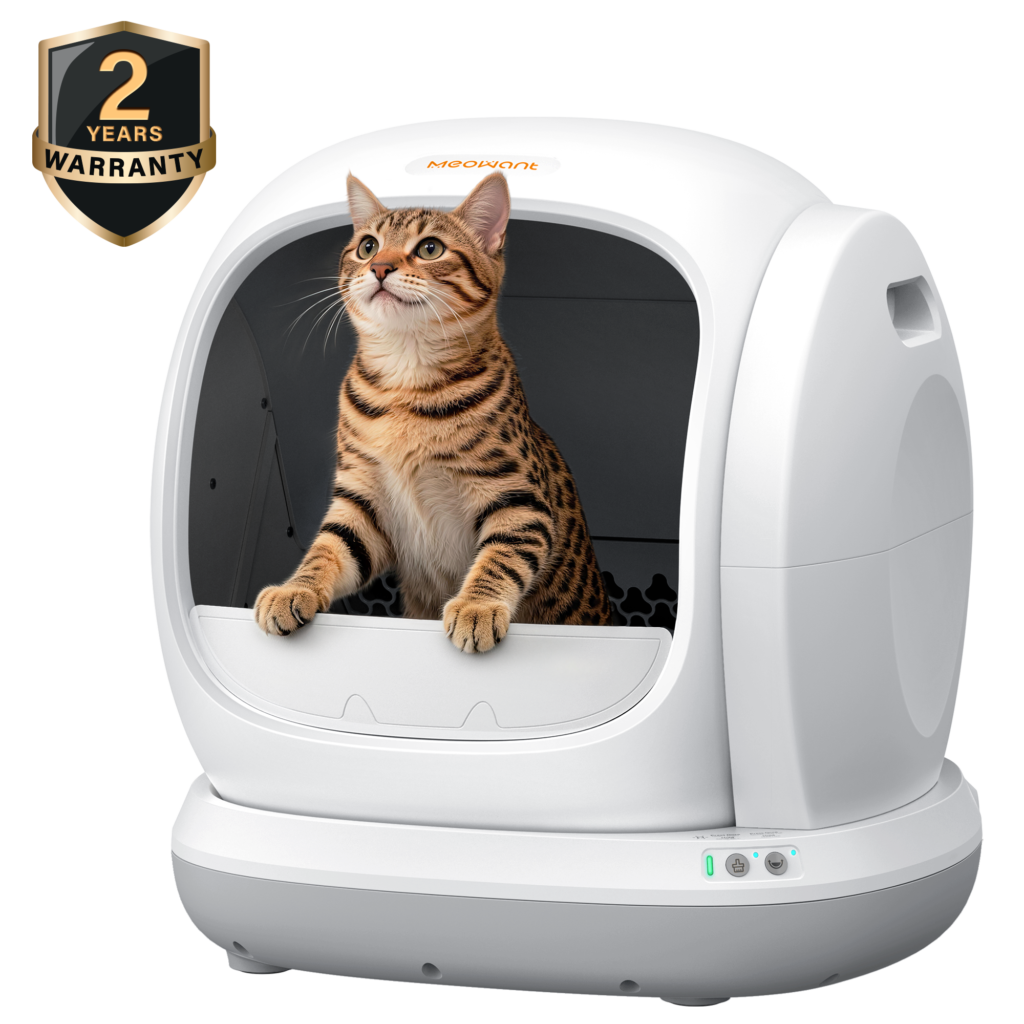
Then there’s the time commitment. The commonly recommended guideline of one box per cat plus one extra means a three-cat household should maintain four litter boxes, each requiring scooping at least twice daily. That’s eight scooping sessions every single day, consuming roughly 30 minutes of your time before you even factor in the weekly deep cleans. For working professionals or busy families, this schedule is nearly impossible to maintain consistently.
Space becomes another critical issue. Four full-sized litter boxes demand significant floor space, often occupying corners of bathrooms, laundry rooms, and hallways. The clutter is unsightly, and the scattered litter tracked across floors creates a perpetual cleaning cycle that extends far beyond the boxes themselves.
Perhaps most concerning is the behavioral fallout. Cats are fastidious creatures who may refuse to use a box that another cat has soiled. This territorial sensitivity leads to litter box avoidance, where cats eliminate on carpets, furniture, or bedding instead. Inter-cat conflicts escalate around shared boxes, with dominant cats guarding access and subordinate cats developing stress-related urinary issues. The resulting cycle of anxiety, inappropriate elimination, and veterinary visits undermines the well-being of every cat in the household while leaving owners feeling helpless against a problem that only grows worse with each additional feline family member.
Why Automatic Litter Boxes Are the Optimal Solution
The shift from manual scooping to automated waste management represents a fundamental change in how multi-cat households handle litter. Self-cleaning litter boxes operate on a straightforward principle: after a cat exits the unit, a sensor triggers a timed cleaning cycle that separates clumps from clean litter and deposits waste into a sealed compartment. This happens automatically after every use, meaning waste never sits exposed long enough for ammonia to build or odors to permeate your living space.
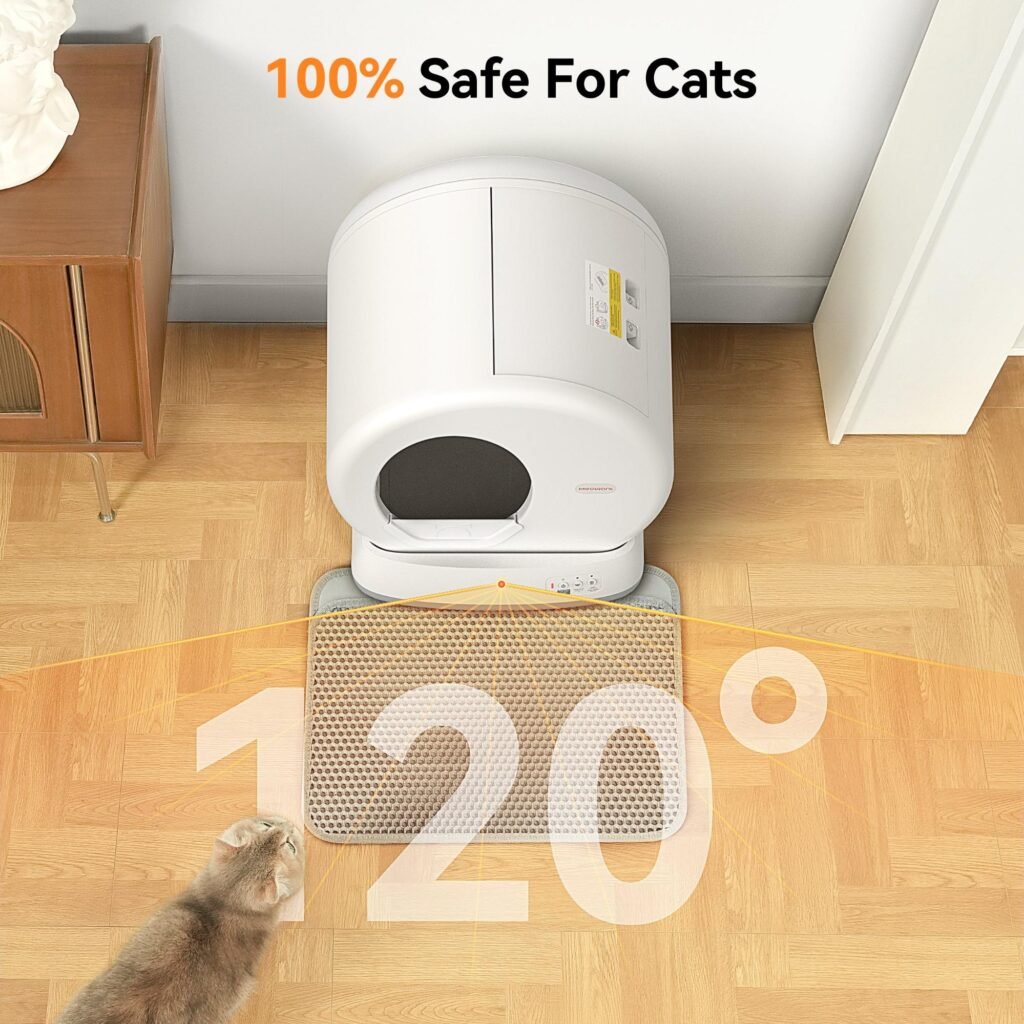
For multi-cat families, the advantages compound quickly. Instead of managing four separate boxes with eight daily scooping sessions, a single high-quality automatic unit handles waste from multiple cats throughout the day without human intervention. The sealed waste drawer contains odors far more effectively than an open tray ever could, and because the litter bed resets to a clean state after each visit, every cat approaches a fresh surface—eliminating the territorial disputes and avoidance behaviors that plague traditional setups.
The best automatic litter box functions as a genuine game-changer for households struggling under the weight of manual maintenance. Brands like Meowant have developed self-cleaning systems specifically with multi-cat households in mind, addressing the core failures of standard boxes: neutralizing odor at the source, removing the impossible time burden, consolidating multiple boxes into fewer units, and creating a stress-free elimination environment where every cat feels comfortable. The result isn’t just convenience—it’s a measurably healthier home for both humans and their feline companions.
Key Features to Look for in a High-Quality Automatic Litter Box
Not all automatic litter boxes deliver equal performance, and in a multi-cat household, choosing the wrong unit means trading one set of problems for another. The difference between a reliable self-cleaning system and a frustrating gadget lies in specific design choices that account for heavy use, safety requirements, and long-term durability. Before investing in any automated solution, understanding which features genuinely matter will help you identify a unit that performs consistently under the demands of multiple cats sharing one system.
Multi-Cat Friendly Design and Capacity
The most critical factor for multi-cat households is whether the unit can physically handle the volume of waste produced by two or more cats without requiring daily emptying. A generous waste drawer capacity—ideally lasting five to seven days for two cats before needing replacement—prevents the system from becoming just another chore with a different name. The litter bed itself should be spacious enough for larger cats to turn comfortably, as cramped interiors discourage use and send cats searching for alternatives.
Design elements that contain litter within the unit matter enormously when multiple cats are cycling through throughout the day. Enclosed or semi-enclosed entries with stepped exits reduce tracking significantly compared to open designs, keeping scattered granules from spreading across your floors after each visit. The unit should also work reliably with clumping clay litter at minimum, though compatibility with plant-based or silica alternatives gives you flexibility to match your cats’ preferences and any sensitivities they may have.
Safety Through Advanced Protection Sensors
When a cleaning cycle could activate while a cat is still inside—or when a curious cat re-enters mid-cycle—safety sensors become non-negotiable rather than optional features. Weight-based sensors detect when a cat is present and prevent the mechanism from engaging until the animal has fully exited. Infrared or time-of-flight sensors provide an additional layer by monitoring the entrance area, pausing operation instantly if a cat approaches during an active cycle. In multi-cat homes where one cat may enter immediately after another leaves, these overlapping detection systems prevent pinching, trapping, or startling incidents that could traumatize a cat into permanent litter box avoidance. The peace of mind these sensors provide is substantial—you can leave home knowing the system operates safely whether you’re present or not, regardless of how frequently your cats use it throughout the day.
Durability and Quality in Construction
A unit serving multiple cats endures significantly more mechanical cycles than one handling a single cat, so construction quality directly determines lifespan and reliability. Look for motors rated for continuous daily operation, internal components made from corrosion-resistant materials that withstand constant moisture exposure, and a litter chamber constructed from thick, non-porous plastic that resists staining and odor absorption over years of use. Noise levels deserve attention as well—a loud mechanism may deter timid cats from approaching, particularly in quiet households where sudden motor sounds feel disruptive. Energy-efficient operation keeps running costs negligible, which matters for a device that cycles multiple times daily. Finally, evaluate how easily you can access internal components for cleaning or replacement. Removable liners, tool-free disassembly of the sifting mechanism, and readily available replacement parts from the manufacturer ensure that routine maintenance remains straightforward rather than becoming a project that tempts you to abandon the system entirely.
Choosing the Best Automatic Litter Box for Your Multi-Cat Family
Selecting the right automatic litter box for a multi-cat household requires more than browsing online reviews and picking the most popular option. Your specific situation—the number of cats, their individual temperaments, your home’s layout, and your daily routine—should drive the decision. A systematic approach to evaluation ensures you invest in a unit that genuinely solves your litter management challenges rather than introducing new frustrations.
Assessing Your Household Needs
Start by honestly evaluating your cats’ habits. How many cats will share the unit, and what are their sizes? A household with two average-sized cats has very different requirements than one with three large breeds. Observe when your cats typically use the litter box—if they cluster their visits around feeding times, you need a unit with a rapid cycle time that can reset between back-to-back uses. Consider where you’ll place the unit, measuring available floor space and ensuring adequate clearance for cats to enter comfortably and for you to access the waste drawer without moving furniture. Think about the level of automation you actually want: some owners prefer app notifications and usage tracking, while others simply need reliable self-cleaning without digital complexity.
Evaluating Safety and Hygiene Features
Safety should rank above convenience in your evaluation criteria. Confirm that any unit you’re considering uses multiple sensor types—weight detection combined with infrared monitoring provides the redundancy that multi-cat households demand. Examine whether the design fully encloses waste after each cycle, as sealed compartments prevent odor escape far more effectively than open collection trays. Check how the cleaning mechanism handles different clump sizes and whether it jams when litter is overly wet or sticky. Read owner reviews specifically from multi-cat households, paying attention to reports about reliability after six months or more of heavy use rather than initial impressions from single-cat owners.
Making an Informed Purchase Decision
Compare your top candidates side by side based on waste capacity, cycle frequency limits, noise output, and litter compatibility. Verify that the manufacturer offers a meaningful warranty—at least one year—and responsive customer support, since mechanical components in any automated system may eventually need attention. Once you’ve made your purchase, introduce the unit gradually. Place it near your existing litter boxes with the automatic function disabled for the first few days, allowing your cats to explore it as a static box. Then activate the cleaning cycle and keep at least one traditional box available until all cats demonstrate consistent use. Remove the old boxes only after you’ve confirmed every cat is comfortable with the new system, typically within one to two weeks.
A Cleaner, Healthier Home for Multi-Cat Families
Standard litter boxes were never engineered to handle the relentless demands of a multi-cat household. The rapid ammonia buildup, the impossible scooping schedule, the territorial conflicts, and the space consumed by multiple trays all point to a system fundamentally mismatched with the reality of living with several cats. Automatic litter boxes directly resolve these failures by delivering consistent, hands-free waste removal that keeps every visit fresh and every cat comfortable. The key to a successful transition lies in choosing a unit built for heavy use—one that combines multi-cat friendly capacity with advanced protection sensors that safeguard your pets during every cleaning cycle. High-quality construction ensures the system performs reliably for years, not months, under the strain of multiple daily uses. Investing in the best automatic litter box isn’t simply about convenience; it’s about creating a genuinely healthier environment where odor no longer dominates your home, where cats eliminate without stress or competition, and where you reclaim the time and energy that manual litter management has been quietly stealing from your life. Your cats deserve better than an overflowing tray, and so do you.