Introduction
The smoke shop industry has experienced significant transformation over the past decade. What once consisted mainly of traditional tobacco products and smoking accessories has gradually evolved into a diverse marketplace centered on hemp derived cannabinoids. Changes in legislation, consumer awareness, and product innovation have played major roles in shaping this modern retail environment. As a result, smoke shops today offer a broader selection of products designed to appeal to curious and informed consumers.
One of the most important developments behind this shift is the legalization and regulation of hemp cultivation in the United States. The federal recognition of hemp as an agricultural commodity created opportunities for farmers, manufacturers, and retailers to explore new cannabinoid based products. These changes encouraged the emergence of hemp flower, concentrates, tinctures, and a variety of other products that are now commonly found in smoke shops and online marketplaces.
Consumers have also become more interested in understanding what they purchase and consume. Many individuals now take time to research cannabinoids, terpene profiles, and cultivation practices before choosing a product. This increased awareness has led to higher expectations regarding quality, transparency, and safety. Smoke shops that adapt to these expectations often focus on sourcing reputable products and providing clear information that helps customers make informed decisions.
The expansion of cannabinoid research has further contributed to this evolving landscape. While CBD initially dominated the hemp market, additional compounds such as Delta 8, hemp derived Delta 9, and THCa have gained attention for their distinct properties. Each compound offers a slightly different experience, which has encouraged companies to experiment with new formulations and product formats.
Understanding these developments helps explain why the modern smoke shop experience looks very different from what it once was. The following sections explore how hemp products, scientific discovery, and changing consumer habits continue to reshape the industry and influence the choices available to today’s buyers.
The Evolution of Smoke Shops in the Hemp Era
Smoke shops have historically served as retail spaces for tobacco products, rolling papers, and various smoking accessories. For many years, their product selection remained relatively consistent, focusing primarily on items used with traditional tobacco. However, the emergence of hemp derived cannabinoids introduced new opportunities for these businesses to expand their offerings and attract a broader customer base.
The passage of federal hemp legislation opened the door for retailers to legally sell hemp products that meet specific regulatory standards. This shift allowed smoke shops to introduce CBD oils, hemp flower, and other cannabinoid products into their stores. As these products gained popularity, many retailers gradually increased their hemp related inventory in response to customer demand.
Changing consumer expectations also contributed to this transformation. Many individuals now visit smoke shops not only for accessories but also to explore hemp products that offer new experiences. Retailers have responded by investing in staff education, product displays, and informational materials that help customers better understand the differences between cannabinoids.
In addition to physical retail spaces, many smoke shop businesses have embraced digital platforms. Online storefronts provide an opportunity to reach consumers beyond local communities. These platforms allow retailers to share detailed product descriptions, laboratory test results, and educational resources that build trust with potential customers.
The evolution of smoke shops reflects a broader shift within the cannabis related marketplace. What once served primarily as accessory stores now operate as informational hubs where consumers can learn about cannabinoids and discover new products. This transition highlights the importance of adaptation in an industry shaped by rapid legal and scientific developments.
Understanding the Range of Hemp-Derived Cannabinoids
Hemp plants naturally produce a wide variety of chemical compounds known as cannabinoids. While many consumers first became familiar with CBD, scientific research has identified dozens of additional cannabinoids within the plant. Each compound interacts with the body’s endocannabinoid system in unique ways, which helps explain the growing interest in exploring different cannabinoid profiles.
CBD remains one of the most widely recognized cannabinoids in the hemp market. It gained early popularity because it does not produce the intoxicating effects typically associated with THC. Many consumers became interested in CBD products as part of broader wellness routines, which helped introduce hemp products to a mainstream audience.
As the industry matured, other cannabinoids began to attract attention. Delta 8 THC emerged as one example, offering a milder psychoactive experience compared with traditional cannabis products. Hemp derived Delta 9 products also became available in certain regulated forms that comply with federal hemp definitions. These developments expanded the range of options available to consumers seeking different experiences.
THCa has also become an important topic within the hemp industry. This compound is the acidic precursor to THC and exists naturally in raw cannabis plants. When exposed to heat through smoking or vaporization, THCa converts into THC. Because of this chemical process, THCa flower has gained interest among consumers exploring hemp based alternatives that resemble traditional cannabis products.
The expanding variety of cannabinoids illustrates how quickly the hemp marketplace continues to evolve. New research and improved cultivation techniques make it possible to develop strains with unique cannabinoid combinations. For consumers, this diversity offers opportunities to explore products that align with personal preferences while learning more about the science behind the plant.
Why Product Transparency Matters to Today’s Consumers
In the modern hemp market, consumers increasingly prioritize knowing exactly what is in the products they purchase. Awareness of ingredients, cannabinoid levels, and production methods has become a key factor influencing buying decisions. Transparent practices not only provide clarity but also build trust between consumers and retailers. Shoppers today expect clear information that allows them to make informed and safe choices. Understanding product transparency helps buyers feel confident about the quality and safety of hemp products.
- Independent laboratory testing: Laboratory testing is a cornerstone of product transparency. These tests provide detailed insights into cannabinoid concentrations, including CBD, THCa, and other relevant compounds. Testing also screens for contaminants like pesticides, heavy metals, and microbes, ensuring that products meet safety standards.
- Sourcing practices: Consumers are paying closer attention to where and how hemp is grown. Ethical sourcing, careful cultivation, and transparent processing practices indicate that a brand prioritizes quality and responsibility. Bay Smokes is an example of a company that emphasizes these practices, starting with premium CBD in 2018 and expanding to Delta 8 and THCa flower after extensive farm visits and research across the West Coast.
- Labeling and ingredient disclosure: Accurate labeling enhances consumer confidence. Clear indications of cannabinoid percentages, dosage instructions, and potential allergens help buyers make informed decisions. Labels that reflect true contents encourage repeat purchases and establish brand credibility.
- Accountability and trust: Transparency fosters accountability within the hemp industry. Brands that openly share testing results, sourcing details, and accurate labeling demonstrate professionalism. This approach helps build long-term trust with consumers and elevates industry standards.
By prioritizing transparency, companies allow consumers to make informed choices that align with their preferences and safety expectations. Knowledge of testing, sourcing, and labeling provides reassurance about product quality. Transparent practices also help differentiate reputable brands in a crowded market. Buyers benefit from greater confidence, knowing that the products they choose are both safe and accurately represented. Ultimately, transparency is essential for building a reliable and trustworthy hemp marketplace.
The Role of Terpenes in Aroma, Flavor, and Experience
Terpenes are natural aromatic compounds found in hemp as well as many other plants. They are responsible for the distinctive scents and flavors that make each strain unique. While cannabinoids often receive the most attention, terpenes play an important role in shaping the sensory characteristics of hemp products. Their presence influences how a strain smells, tastes, and feels during use. Understanding terpenes allows consumers to appreciate the complexity of hemp and make more informed product choices.
- Unique terpene combinations in each strain: Every hemp strain contains its own blend of terpenes that creates a specific aromatic profile. Some varieties release bright citrus or fruity scents, while others produce earthy, pine-like, or floral aromas. These natural fragrance differences help consumers recognize and distinguish between different strains.
- Aroma as an indicator of quality: The scent of hemp flower often provides useful clues about its freshness and terpene content. Strong and pleasant aromas usually indicate well preserved terpenes and careful cultivation practices. If a product lacks a noticeable scent or smells stale, it may suggest improper storage or aging.
- The entourage effect and overall experience: Terpenes may interact with cannabinoids in a way that shapes the overall experience of the product. This interaction is often described as the entourage effect, where multiple plant compounds work together to influence how the body responds. While research is ongoing, many consumers believe terpene profiles can affect mood, focus, or relaxation.
- Flavor and enjoyment of hemp products: Flavor is a key factor for many consumers when selecting hemp flower or other cannabinoid products. Terpenes contribute to the taste experienced when the flower is smoked, vaporized, or infused into other preparations. Proper cultivation and curing help preserve these compounds so the final product retains its full flavor profile.
Terpenes ultimately enhance both the aroma and the overall experience of hemp products. By paying attention to terpene profiles, consumers can better understand why certain strains appeal to them. These compounds also help distinguish one variety from another in a diverse marketplace. Awareness of terpene characteristics allows buyers to evaluate hemp products more thoughtfully. As interest in hemp continues to grow, terpene knowledge will remain an important part of exploring the plant’s natural complexity.
Popular Hemp Flower Varieties and Their Characteristics
Hemp flower varieties have expanded significantly as cultivation techniques and breeding programs have improved. Growers now develop strains that highlight specific cannabinoid levels, terpene profiles, and visual characteristics. This diversity allows consumers to explore a wide range of options depending on their personal preferences. Understanding how different varieties differ can help buyers make more confident purchasing decisions.
Many hemp strains are recognized for their distinctive aromas and flavors. Some varieties produce bright citrus or tropical scents, while others offer earthy, pine like, or herbal notes. These differences come from terpene combinations present within the plant. Consumers often choose certain strains based on these sensory traits, particularly if aroma and flavor are important aspects of the overall experience.
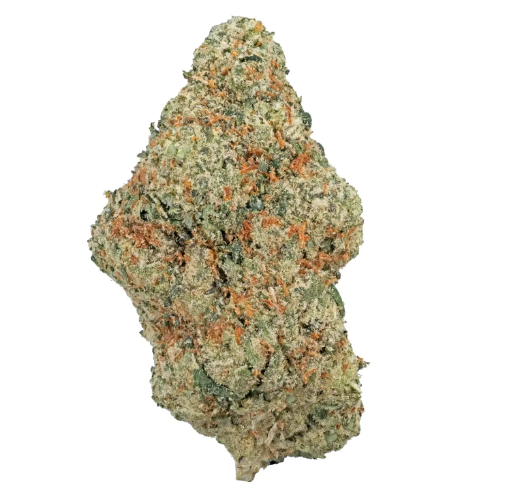
Appearance also plays a role in distinguishing hemp flower varieties. High quality buds typically feature dense structures with vibrant coloration. Shades of deep green, purple, and orange hairs are common visual indicators of healthy plant genetics and careful cultivation. The surface of the flower is often coated in sparkling trichomes, which contain cannabinoids and aromatic compounds.
Another factor that separates hemp varieties is potency. While hemp must remain within federal guidelines for delta nine THC levels, strains can still vary in their concentration of other cannabinoids such as CBD or THCa. These variations influence the experience associated with each strain and give consumers multiple options to explore within the hemp category.
As cultivation continues to evolve, growers are likely to introduce even more unique strains into the marketplace. Each new variety contributes to the growing diversity of hemp flower products. For consumers, learning about strain characteristics such as aroma, appearance, and cannabinoid profile creates a more informed and enjoyable shopping experience.
Bulk Purchasing Trends in the Hemp Market
The hemp industry has grown quickly in recent years, leading to noticeable shifts in purchasing behavior. While many consumers still buy small quantities for personal use, a growing number of retailers and enthusiasts are choosing to purchase hemp products in bulk. This trend reflects both the expanding demand for hemp flower and the practical advantages associated with larger purchases.
Retailers often purchase bulk quantities to maintain consistent inventory. As customer interest in hemp products increases, shops must ensure they have reliable access to popular strains. Buying in larger volumes allows retailers to secure supply and sometimes benefit from reduced costs per unit. These savings can then be passed along to customers through more competitive pricing.
Individual consumers may also consider bulk purchases when they find a strain that aligns with their preferences. Larger quantities can provide long term convenience for those who regularly enjoy hemp flower. In many cases, buying in bulk offers a more economical option compared with purchasing smaller amounts over time.
Within the hemp marketplace, some buyers specifically seek out THCa pounds when sourcing larger quantities of flower. This type of purchase is more common among retailers or experienced enthusiasts who understand how to properly store and manage larger supplies. Proper storage becomes essential in these situations because maintaining freshness and potency over time requires controlled conditions.
Bulk purchasing trends highlight the maturation of the hemp market. As consumers gain experience with different strains and products, they become more confident in selecting larger quantities that suit their needs. This shift reflects the growing stability of the industry and the increasing trust consumers place in reputable suppliers.
How Online Smoke Shops Are Changing Customer Access
The growth of online retail has transformed how consumers discover and purchase hemp products. In the past, most buyers needed to visit a local smoke shop to explore available options. Today, digital platforms allow people to browse and compare products from home. This shift has created a more convenient shopping experience while expanding access to information. As a result, online smoke shops have become an important part of the modern hemp marketplace.
- Wider geographic access: Online smoke shops make hemp products available to customers across different regions. Unlike physical stores that serve local communities, online retailers can reach consumers nationwide. This wider access allows people in areas with limited local options to explore a broader selection of products.
- Detailed product information: Digital platforms often provide extensive product details that help consumers make informed decisions. Shoppers can review descriptions, cannabinoid percentages, terpene profiles, and laboratory test results before purchasing. This level of information encourages transparency and helps buyers compare different options easily.
- Customer reviews and feedback: Online stores commonly include reviews and ratings from previous buyers. These insights offer valuable perspectives on product quality, flavor, and overall satisfaction. For new consumers, reading feedback from others can increase confidence when trying unfamiliar products.
- Convenience and flexible shopping: Online shopping allows customers to explore hemp products at any time without visiting a store in person. Orders can be placed quickly, and products are delivered directly to the customer’s location. This convenience has become a major reason why many people prefer purchasing hemp products online.
The rise of online smoke shops has reshaped how consumers interact with the hemp market. Greater access to information allows buyers to research products before making decisions. Convenience and nationwide availability make it easier for customers to find products that suit their preferences. At the same time, online reviews help create a community of shared experiences among consumers. Together, these advantages continue to drive the popularity of digital smoke shop platforms.
Safety, Lab Testing, and Regulatory Compliance
Safety is an essential component of the modern hemp industry. As the market continues to grow, consumers increasingly expect products to meet strict standards for quality and transparency. Laboratory testing and regulatory compliance play central roles in ensuring that hemp products are both safe and accurately labeled.
Independent lab testing allows companies to verify the cannabinoid content of their products. These reports measure levels of compounds such as CBD, THCa, and delta nine THC. Accurate cannabinoid data helps confirm that products comply with federal hemp definitions while also informing consumers about potency.
Testing also screens for potential contaminants that may appear during cultivation or processing. Laboratories analyze samples for pesticides, heavy metals, mold, and other unwanted substances. Products that pass these tests demonstrate that they meet safety expectations and are suitable for consumer use.
Regulatory compliance extends beyond laboratory testing. Hemp producers and retailers must also follow guidelines related to packaging, labeling, and transportation. Clear labels that display cannabinoid levels, ingredients, and usage instructions help consumers understand the products they purchase.
Maintaining these standards supports the long term credibility of the hemp industry. Companies that prioritize safety and transparency contribute to a marketplace built on trust and accountability. For consumers, reviewing lab reports and product labels provides reassurance that the products they choose meet established quality and regulatory expectations.
Choosing Reliable Hemp Product Brands
With the rapid growth of the hemp market, consumers are often faced with a wide selection of brands offering similar products. While this variety creates opportunities for exploration, it also makes it important to evaluate which companies prioritize quality and transparency. Choosing reliable brands can help ensure that products meet expectations for safety, consistency, and authenticity.
One factor that distinguishes reputable brands is their commitment to clear sourcing practices. Companies that openly discuss where their hemp is grown and how it is processed tend to build stronger trust with consumers. Many respected brands collaborate closely with farms and processors to maintain consistent cultivation standards.
Product testing and documentation are also key indicators of reliability. Brands that provide accessible laboratory reports demonstrate accountability and allow customers to verify cannabinoid content and safety results. These reports give consumers the confidence to understand exactly what they are purchasing.
Customer feedback provides another valuable perspective when evaluating brands. Reviews often highlight experiences related to product quality, flavor, and overall satisfaction. While individual opinions may vary, consistent positive feedback can suggest that a company maintains dependable standards across its product line.
By taking these factors into account, consumers can identify brands that align with their expectations for quality and transparency. Reliable companies often emphasize responsible sourcing, thorough testing, and clear communication. This approach not only builds trust with customers but also contributes to the overall credibility of the hemp industry.
Conclusion
The smoke shop industry has undergone a remarkable transformation as hemp products and cannabinoid research have entered the mainstream marketplace. What once focused primarily on tobacco accessories has evolved into a diverse environment where consumers can explore a wide range of hemp derived products. This shift reflects broader changes in legislation, consumer awareness, and scientific understanding of the cannabis plant.
The introduction of hemp derived cannabinoids has played a central role in this evolution. Compounds such as CBD, Delta 8, hemp derived Delta 9, and THCa have expanded the possibilities for product development. Each cannabinoid contributes unique characteristics that appeal to different consumer preferences. As awareness continues to grow, these compounds are likely to remain important elements within the hemp market.
Transparency and safety have also become defining features of the modern hemp industry. Consumers now expect detailed product information, laboratory testing, and responsible sourcing practices. These expectations encourage companies to maintain higher standards and provide clear documentation that supports informed purchasing decisions.
At the same time, innovation continues to drive the market forward. Advances in cultivation, extraction, and strain development have introduced new varieties of hemp flower and cannabinoid products. Online retail has further expanded access, allowing consumers across the country to explore these options and learn more about the plant’s complex chemistry.
The ongoing development of the hemp industry suggests that smoke shops will continue to evolve alongside consumer interest and scientific discovery. By staying informed about cannabinoids, product quality, and regulatory considerations, consumers can navigate this expanding marketplace with confidence. Education and responsible purchasing ultimately help ensure that the modern smoke shop experience remains both accessible and trustworthy for those exploring hemp products.